


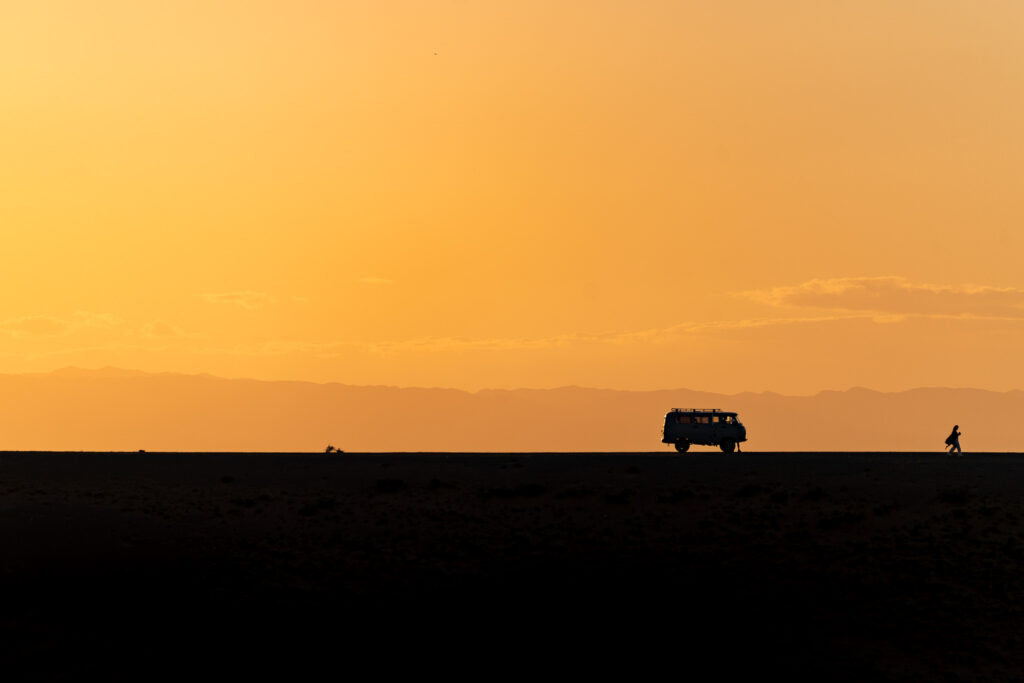
If you’re a budding (or experienced) photographer and you’ve ever dreamed of capturing Mongolia’s endless horizons, glowing dunes, and centuries-old monasteries, the Gobi and Kharkhorin are where your lens will find its magic.
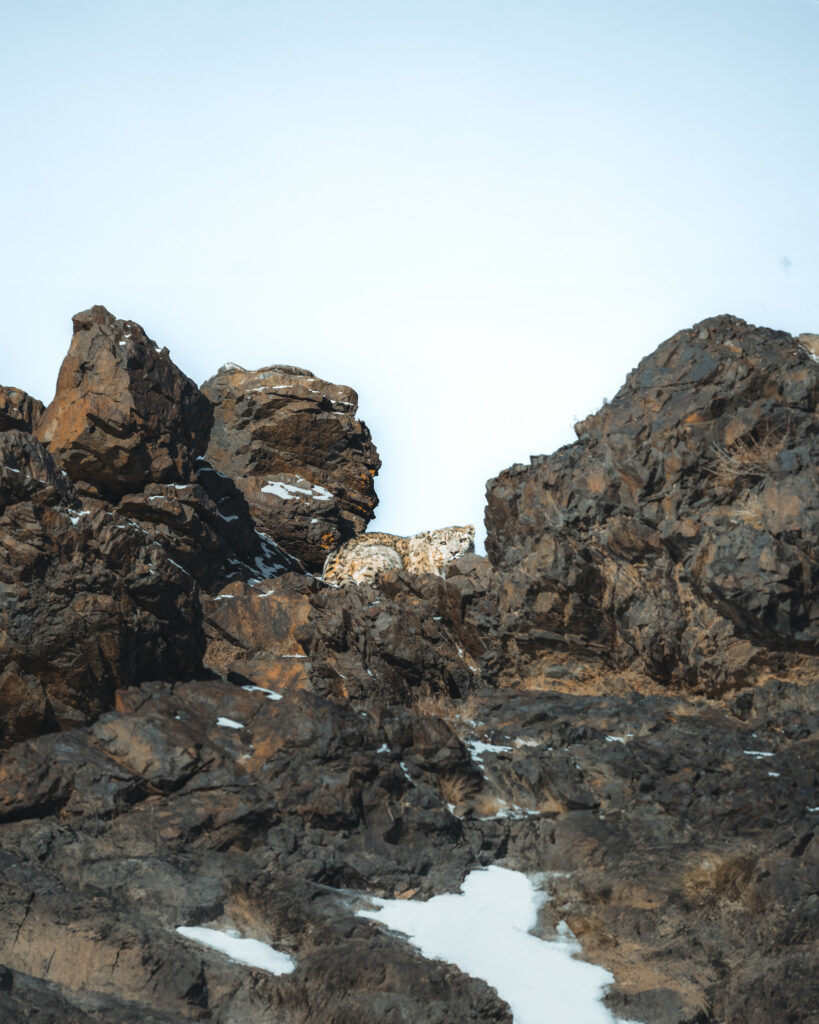
These two regions—one wild and elemental, the other historic and spiritual—offer some of the most photogenic landscapes in all of Asia, not just Mongolia. Whether you’re shooting sunrise over the Gobi or monks at prayer in Erdene Zuu Monastery, a self-drive Mongolia road trip gives you the freedom to chase the light at your own pace. Wildlife photography tours in Mongolia are spectacular as well with truly wild snow leopards, wild camels, pallas cat, bearded vultures and the rarest bear species on earth.
In this photography-focused guide, we’ll break down where to go, when to shoot, and how to prepare for your photography adventure across the Gobi Desert and central Mongolia.
The Power of the Self-Drive: Freedom to Chase the Light
For photographers, timing is everything, and so is flexibility. A self-drive Mongolia itinerary gives you both. Instead of sticking to fixed tour schedules, you can linger over morning fog in the Orkhon Valley, stay out late to photograph star trails over the dunes, or backtrack to a remote canyon when the light turns golden.
AVIS in Mongolia & Explorer.Company offer Mongolia self-drive tours and 4×4 rentals that are designed exactly for this kind of freedom. Explorer.Company offers special equipped Mongolia 4×4 rentals for remote and long distance all season tours with heated rooftop tents, showers and special off road configuration. Roads across the Gobi and central Mongolia can be rough and unpaved, but with a sturdy vehicle, GPS, and offline maps, you can position yourself wherever the light and landscape align. This independence is key for landscape photographers who want authentic shots of Mongolia’s vast, unfiltered beauty.
The Gobi Desert: Land of Light and Texture
Here are some of the best places for photography in the Gobi.
Khongoryn Els Dunes – Sunrise & Sunset Glow
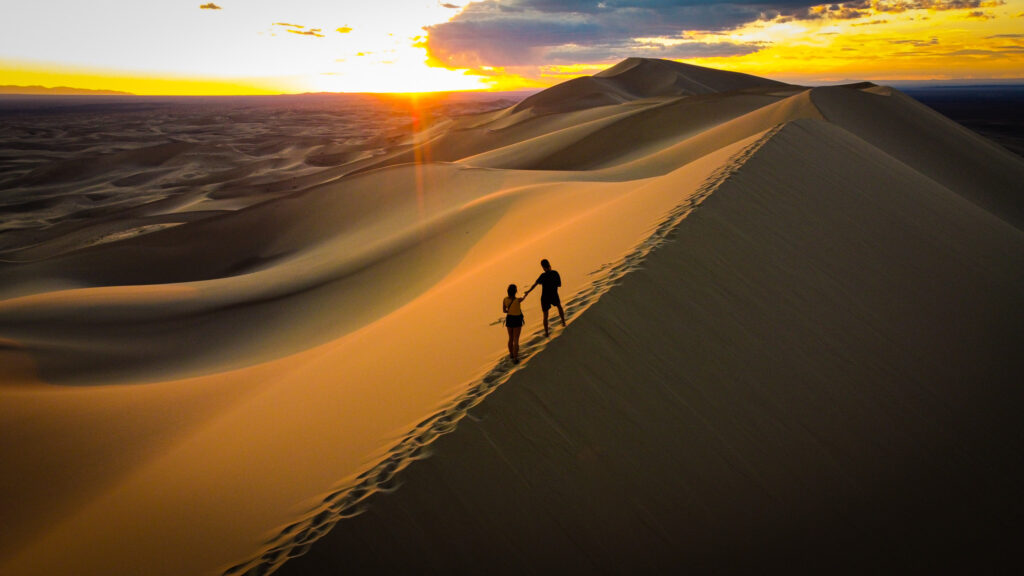
The dunes of Khongoryn Els, known as the “Singing Dunes,” are a must for any Gobi photography trip. Rising up to 300 meters high, these massive sand waves change color dramatically with the light.
At sunrise, the sand glows soft gold against the cool blue of the mountains beyond. By sunset, the ridges burn orange and crimson as long shadows ripple across the surface. The best shooting positions are from the tops of the dunes, gazing out over the sea of sand.
Pro tip: Bring a wide-angle lens (16–35mm) for sweeping compositions and a telephoto (70–200mm) for isolating patterns and textures in the sand.
Bayanzag (Flaming Cliffs) – Fossils and Firelight
Bayanzag, or the Flaming Cliffs, is where the first dinosaur eggs were discovered in the 1920s, but photographers come here for the light. The sandstone cliffs here blaze deep red at sunset, especially after a rare rain when the air clears of dust.
Arrive about an hour before sunset to scout your framing—low angles emphasize the depth and texture of the cliffs. At dusk, stay for blue hour shots when the last traces of daylight meet the emerging stars.
Best time: Late afternoon to sunset.
Yolyn Am Canyon – Shadows, Ice, and Eagles
In contrast to the desert, Yolyn Am is a narrow gorge in the Gurvan Saikhan Mountains. It’s cool, shaded, and often holds ice well into summer. The canyon’s twisting path and high cliffs make it a dream for moody compositions and contrasts.
Arrive mid-morning when sunlight begins filtering through the canyon walls, illuminating the green moss and ice formations below.
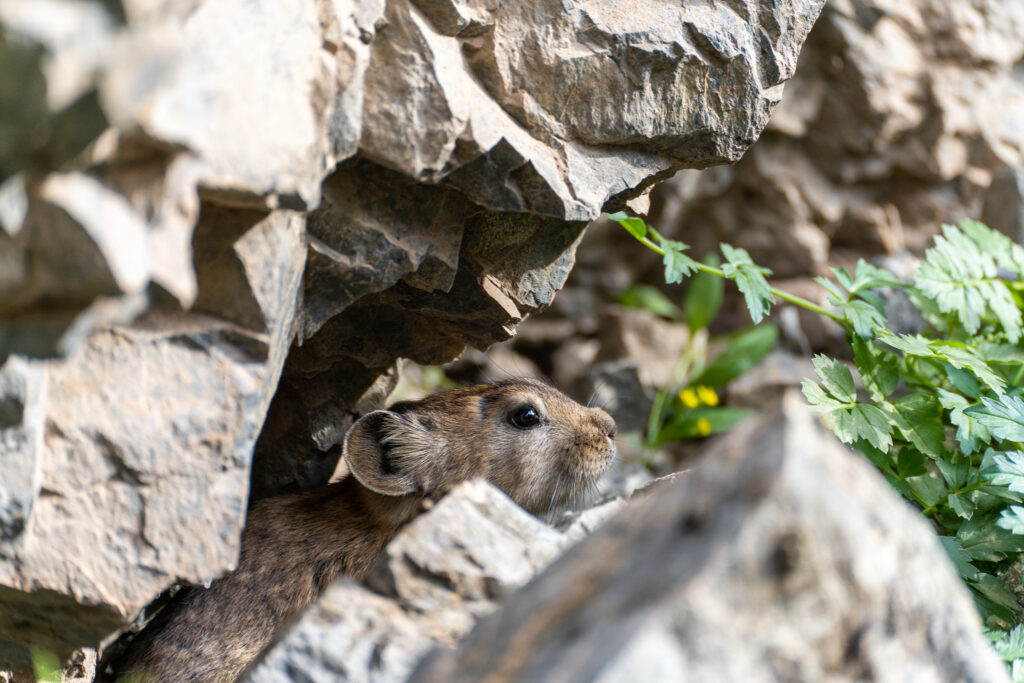
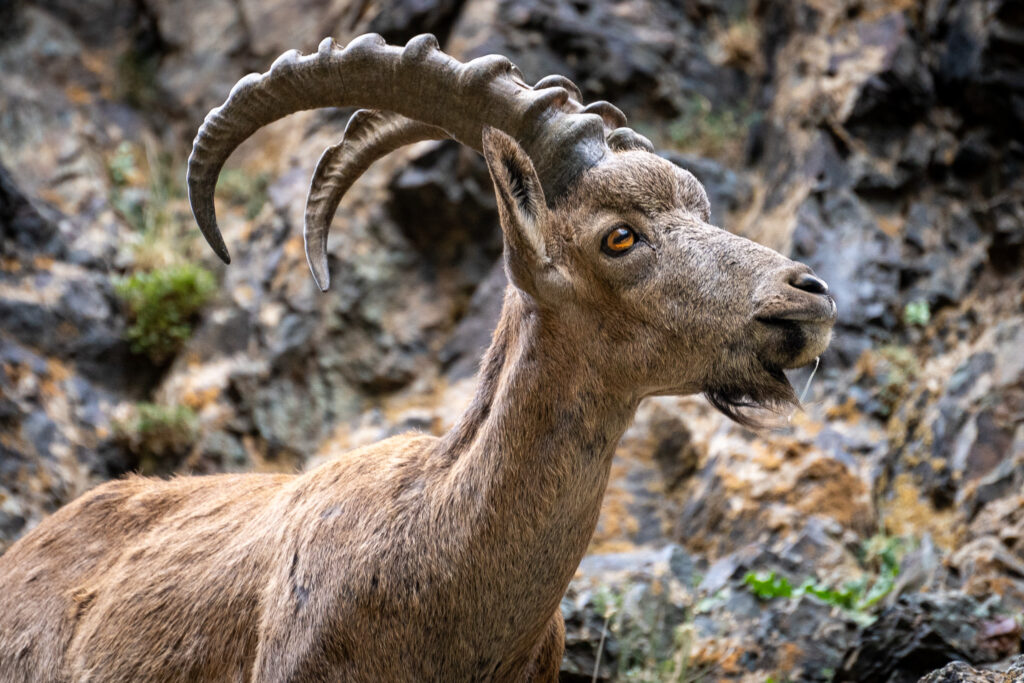
This is also a great photography destination for travelers hoping to shoot wildlife (with a camera, of course)! There are Ibex, Eagles, and the canyon’s namesake Vultures that often soar overhead. It’s good to keep a telephoto lens ready
Drone tip: Fly with caution; the canyon is narrow, and GPS can be patchy. Always respect wildlife and local park regulations.
Night Skies of the Gobi – Stars Without Borders
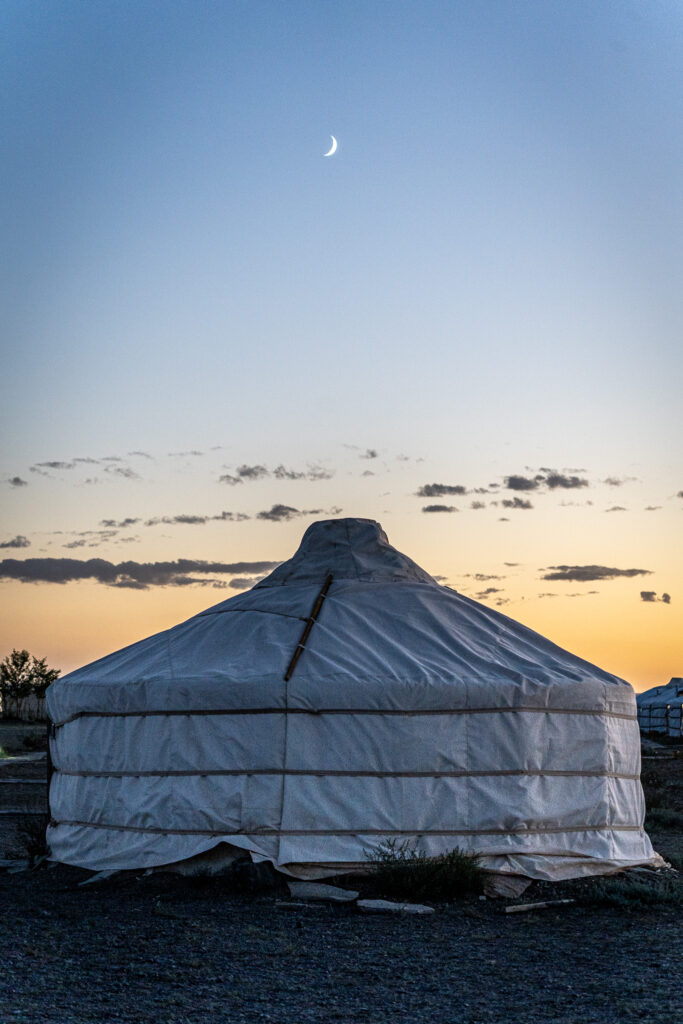
The Gobi is one of the world’s best regions for astrophotography. With virtually no light pollution, the Milky Way is visible from horizon to horizon.
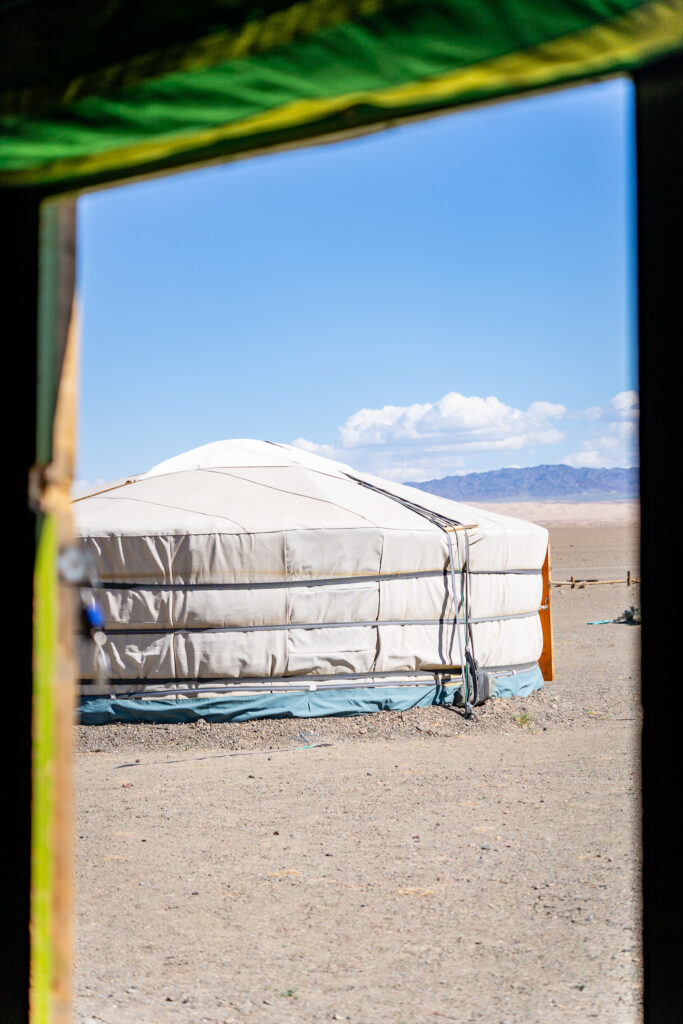
Camp near Khongoryn Els or the Flaming Cliffs for perfect night skies. Include silhouettes of camels, dunes, or gers (traditional yurts) to add scale and context to your shots.
Gear tip: Bring a sturdy tripod and a fast wide lens (f/2.8 or faster). Long exposures between 15 and 25 seconds capture the full star field without too much motion blur.
Kharkhorin: Where History Meets Light
Once the capital of Genghis Khan’s empire, Kharkhorin (also known as Karakorum) is a rich destination for photographers interested in culture, architecture, and human stories. It contrasts beautifully with the Gobi’s raw wilderness. Here, the focus is less on vastness and more on detail, ritual, and atmosphere.
Erdene Zuu Monastery – Capturing Mongolia’s Spiritual Heart
Erdene Zuu is Mongolia’s oldest Buddhist monastery, surrounded by 108 white stupas that glow under changing skies. The complex offers countless opportunities for composition—from the symmetrical geometry of its walls to the soft human moments of monks in prayer.
Morning: Best for clean light and fewer visitors. The rising sun lights the eastern wall and stupas in soft pastel tones.
Late afternoon: Golden hour brings warm reflections on the monastery’s temples and prayer flags.
If you’re lucky, you might photograph ceremonies or festivals here—always ask permission before photographing people or sacred rituals.
Orkhon River Valley – Life on the Steppe
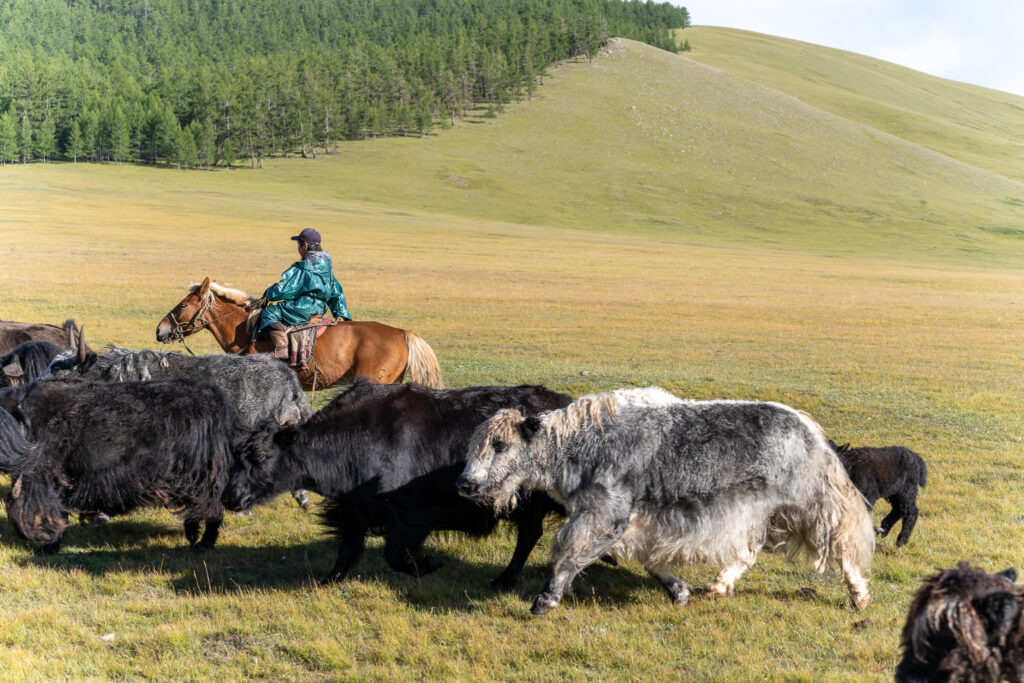
The Orkhon River Valley, a UNESCO World Heritage Site, stretches around Kharkhorin and remains home to nomadic herders who’ve lived here for centuries. This is where you can capture scenes of daily life—horsemen crossing rivers, families tending livestock, and children playing in wide-open fields.
The valley’s light shifts constantly, creating dynamic skies that are a gift for landscape photographers. Late afternoon often brings cumulus clouds rolling over the steppe—ideal for dramatic compositions.
Pro tip: Respect privacy. A friendly wave or simple Mongolian greeting (“Sain baina uu”) goes a long way before raising your camera.
Karakorum Museum – Stories Behind the Lens
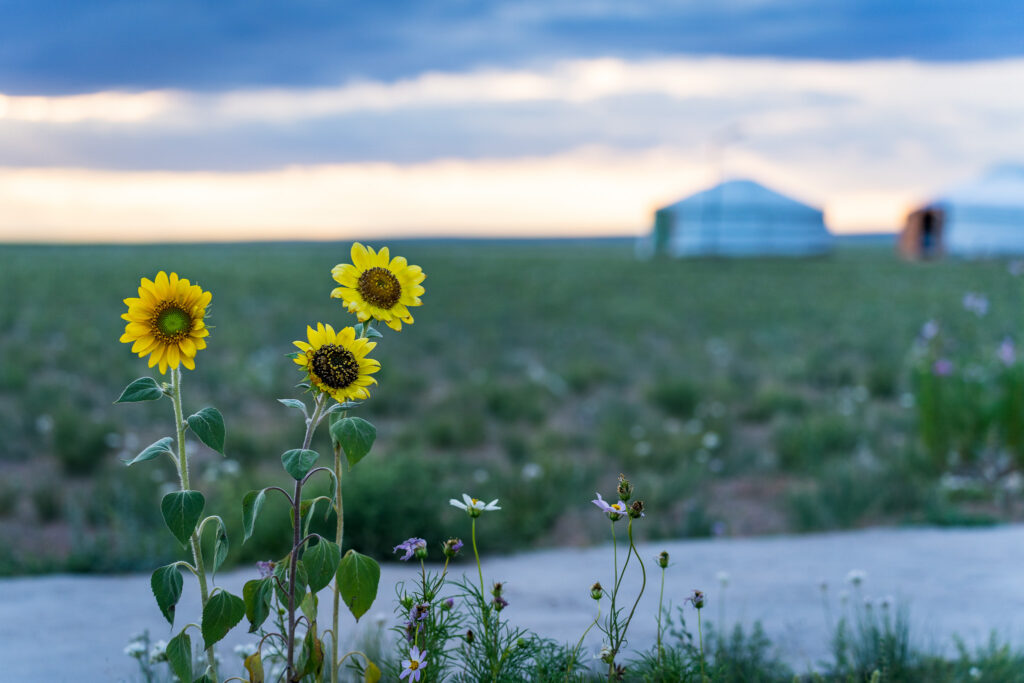
Before or after photographing Erdene Zuu, stop by the Karakorum Museum in Kharkhorin. The exhibits provide valuable historical context, which makes your photography more meaningful. Knowing the stories behind what you shoot helps you frame the scene with intent, not just aesthetics.
Practical Photography Tips for a Mongolia Road Trip
Here are some important tips to keep in mind before your trip.
Timing and Light
- Golden hours (1 hour after sunrise and 1 hour before sunset) are best for landscapes and portraits alike.
- Midday light can be harsh. Use it for black-and-white contrasts or tight detail shots.
- After rain, the air clears dramatically, creating sharp, saturated colors across the desert.
Protecting Your Equipment
The Gobi’s dust and wind can be relentless. Keep gear in sealed bags, change lenses inside your vehicle, and bring a soft brush for cleaning. Always have spare batteries—cold nights of camping can drain them quickly.
Cultural Photography Etiquette
Photography in Mongolia isn’t just about landscapes, it’s about people, too. Nomadic families in the Gobi often welcome visitors, but it’s essential to engage respectfully. While most people will welcome photos, here are some general rules to keep in mind.
- Ask first before taking portraits. A smile and a small gift (like sweets or tea) can open doors.
- Avoid interrupting daily chores or private moments.
- Share your photos when possible—it’s a meaningful gesture.
- Dress modestly in monasteries, and never point your camera at monks without permission.
Practicing these small courtesies ensures cultural tourism in the Gobi remains sustainable and respectful.
Best Seasons for Photography
Mongolia is truly a year-round destination when it comes to photography!
- Spring (May–June): Green valleys and newborn animals. Bird migrations with thousands of swans are crossing Mongolia, offering fantastic opportunities for bird photography.
- Summer (July–August): Festivals, vibrant skies, and warm light.
- Autumn (September–October): Crisp air, golden tones, and fewer travelers.
- Winter: Stark beauty, long shadows, and incredible star visibility—but harsh conditions for camping. Winter is ideal to spot snow leopards, wild camels and other rare species.
Combining the Gobi & Kharkhorin on a Self-Drive Route
Many travelers link the Gobi Desert with Kharkhorin on a two-week self-drive Mongolia itinerary. Starting from Ulaanbaatar, you can loop south through Dalanzadgad, explore the dunes and canyons, then head north to Kharkhorin before returning via the Orkhon Valley.
This circuit—often included in self-drive tours—balances natural grandeur with cultural depth. You’ll move from the silence of desert dunes to the sound of temple bells, from wide horizons to intricate artistry, all in one unforgettable road trip.
Photography Gear Checklist for Gobi Travelers
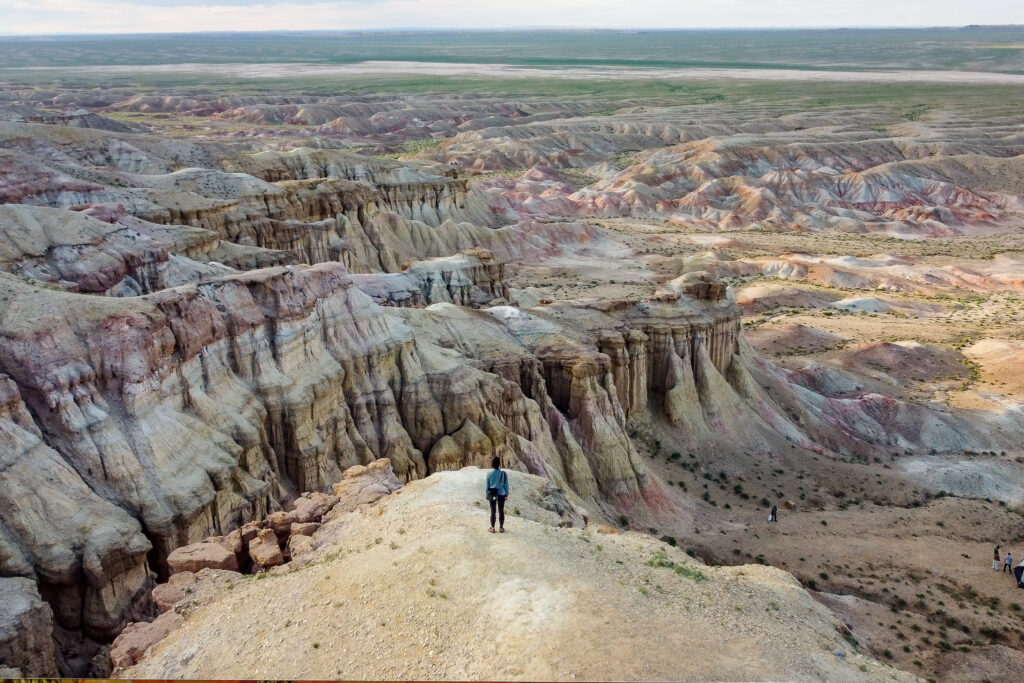
Whether you’re a seasoned professional or just starting out, the right gear can make or break your photography adventure in Mongolia. The Gobi’s landscapes are extreme—bright sun, shifting sand, and massive temperature swings—so come prepared.
Essential Camera Kit
- DSLR or Mirrorless Camera: Reliable in dust and cold; weather-sealed models perform best.
- Wide-Angle Lens (16–35mm): Perfect for dunes, monasteries, and vast steppe horizons.
- Telephoto Lens (70–200mm or longer): Ideal for wildlife, portraits, and compressed desert scenes.
- Prime Lens (35mm or 50mm): Lightweight option for low light and spontaneous portraits.
Tripod & Stabilization
- Carbon fiber tripod: Lightweight but sturdy against desert winds.
- Remote shutter or intervalometer: For long exposures and astrophotography.
Filters & Accessories
- Polarizing filter: Reduces glare, enhances skies.
- ND filters: For balancing exposure during bright daylight.
- Lens cloths & air blower: Essential for keeping sand and dust off your gear.
- Extra batteries & memory cards: The Gobi is remote—don’t count on recharging every night.
For Drone Photographers
- Spare propellers & filters: Dust can be tough on drone gear.
- FAA-equivalent flight app or offline map: Helps you avoid restricted zones near monasteries and border regions.
- Respect privacy: Avoid flying over gers or nomadic camps without permission.
Backup & Storage
- Portable SSD or rugged hard drive: Back up photos daily.
- Dry bag or padded case: Protects gear from sandstorms or sudden rain.
Mongolia Is a Photographer’s Dream!
Photography in Mongolia isn’t just about chasing perfect light—it’s about understanding rhythm and stillness, motion and silence. The Gobi teaches patience; Kharkhorin teaches reverence. Between them lies the essence of what makes a Mongolian road trip so powerful: the freedom to move, to pause, and to truly see.
Whether you’re shooting vast desert panoramas or quiet monastery rituals, let your camera follow curiosity, not just composition. In doing so, you’ll capture something rarer than a postcard image—you’ll capture Mongolia’s living spirit.
 English
  German
  Arabic
  Spanish
  Italian
  Korean
  French
  Dutch
Dutch  Polish
  Russian
  Chinese