FR

Mo's Mongolia Winter Wildlife Watching Tour to South Gobi - Léopards des neiges, chameaux sauvages, bouquetins et gypaètes barbus

Suivez les traces d'un photographe primé

Join a Mongolia wildlife tour to the Great Gobi A Protected Area. Track snow leopards, wild camels, pallas cat, ibex & vultures with a local expert.

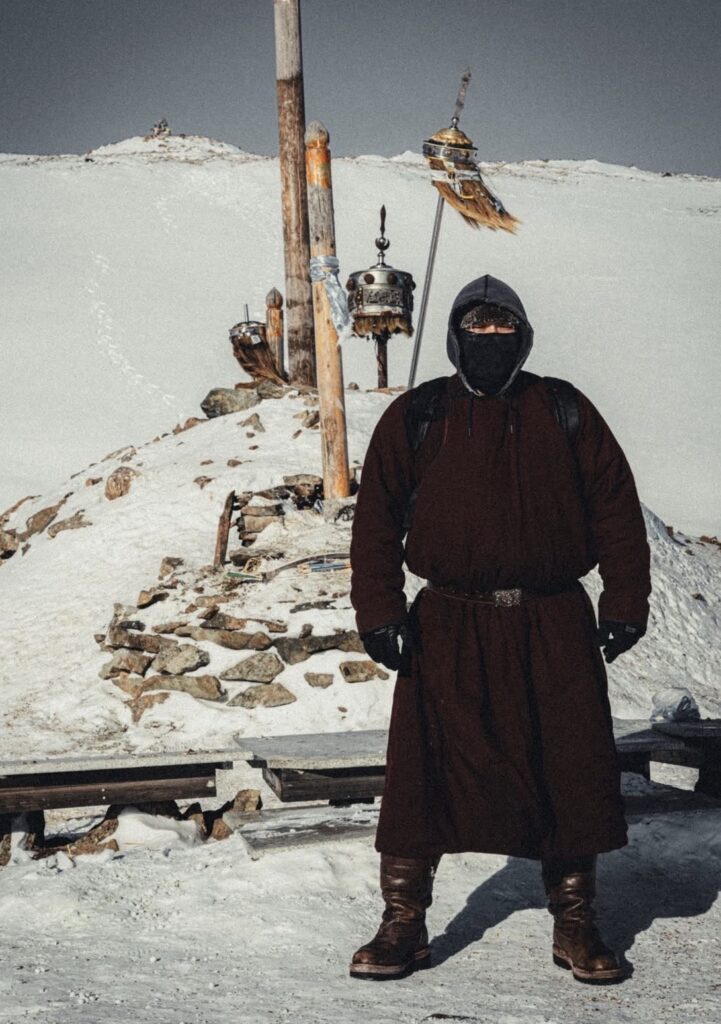
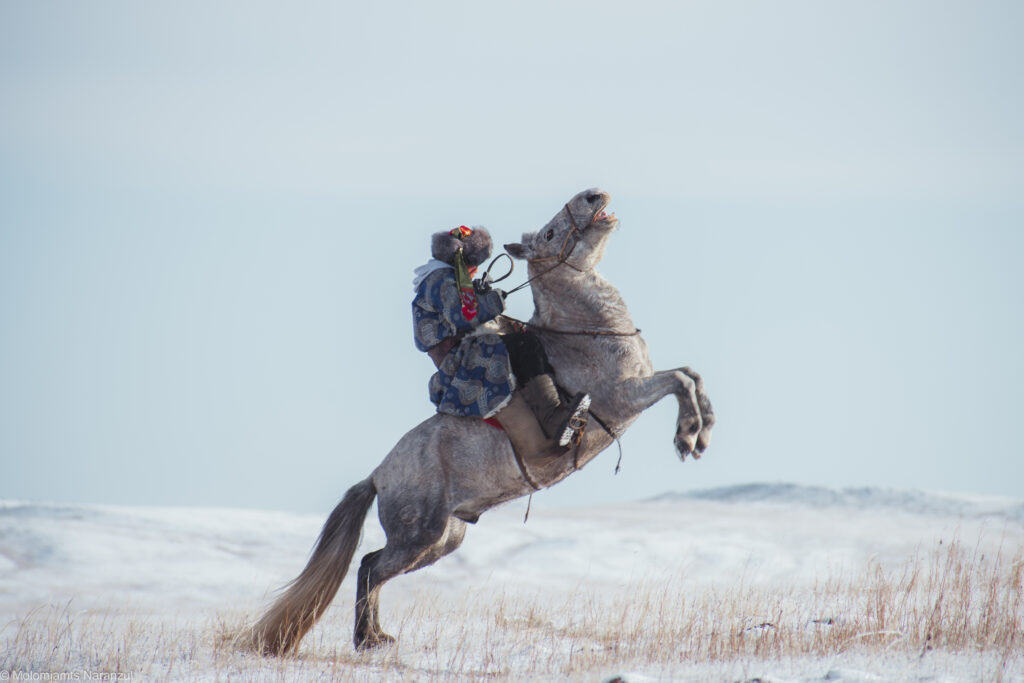
Nomad on a jumping horse in Mongolian winter
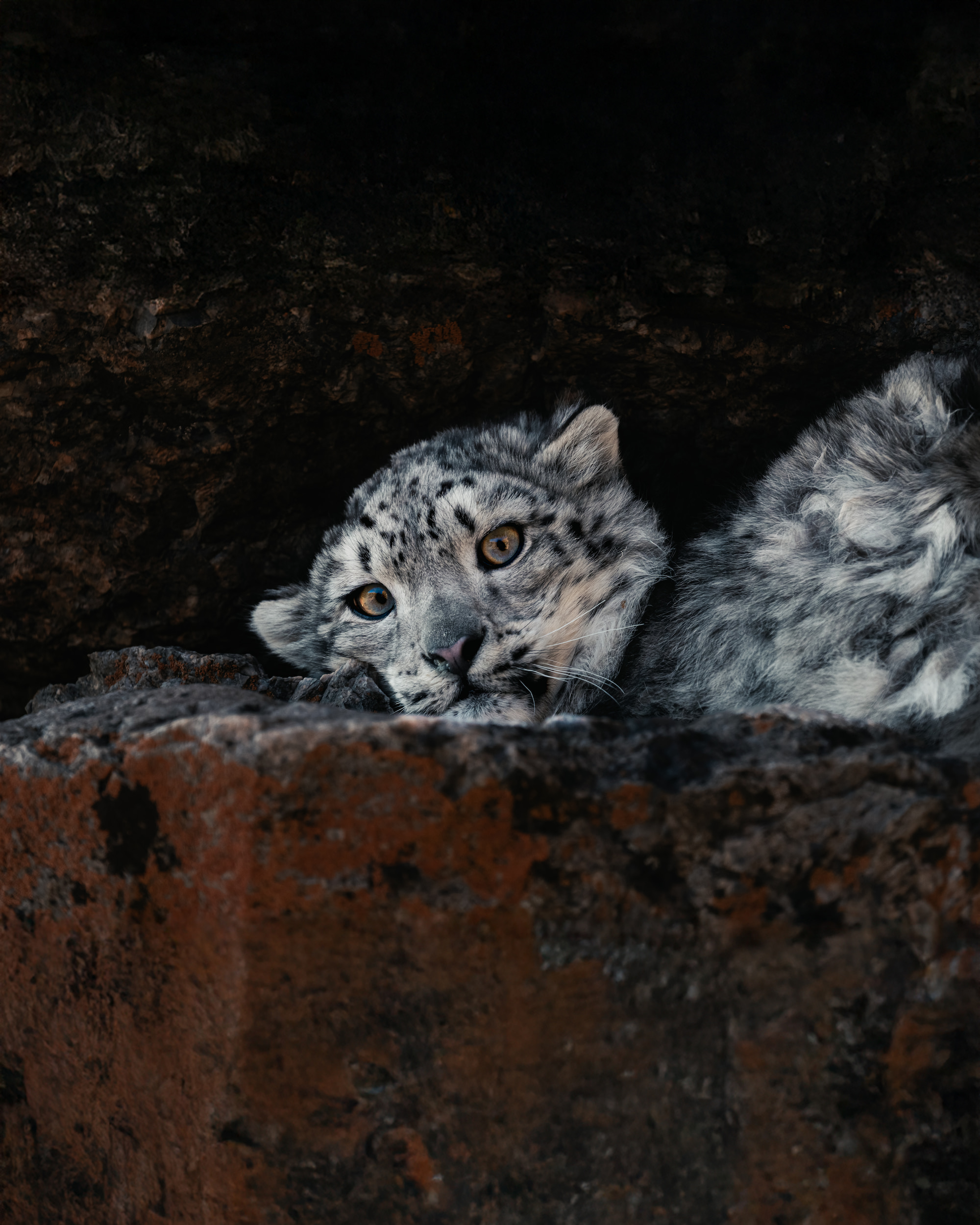
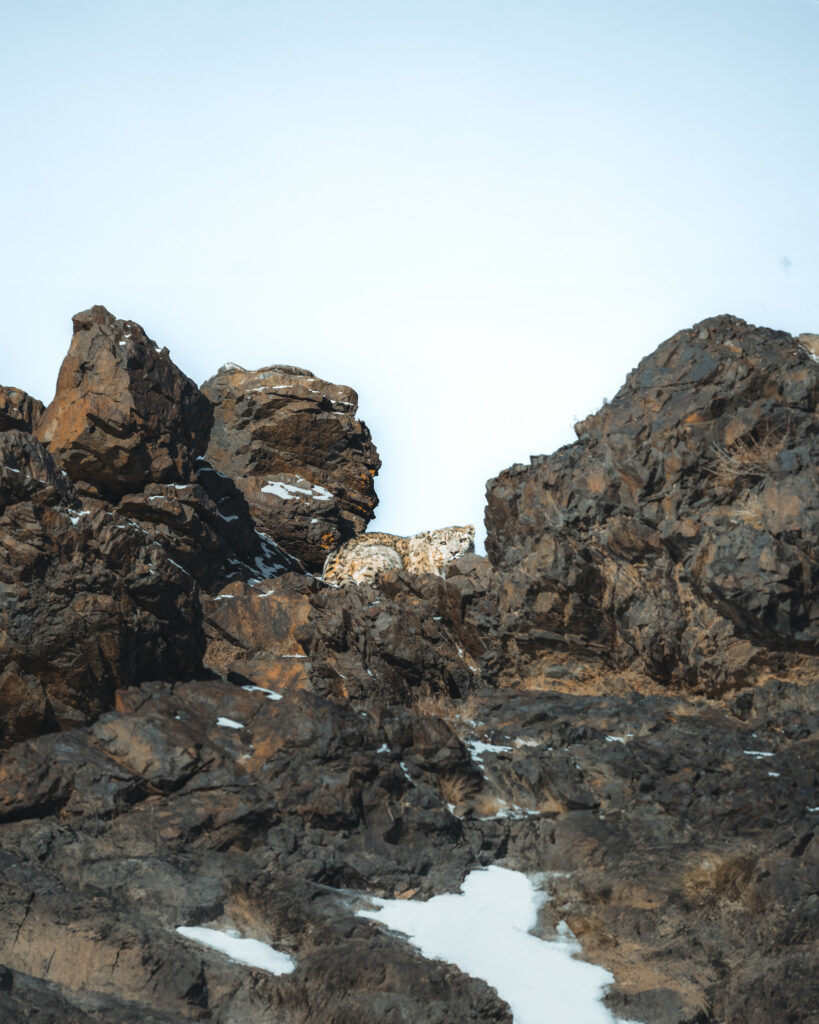
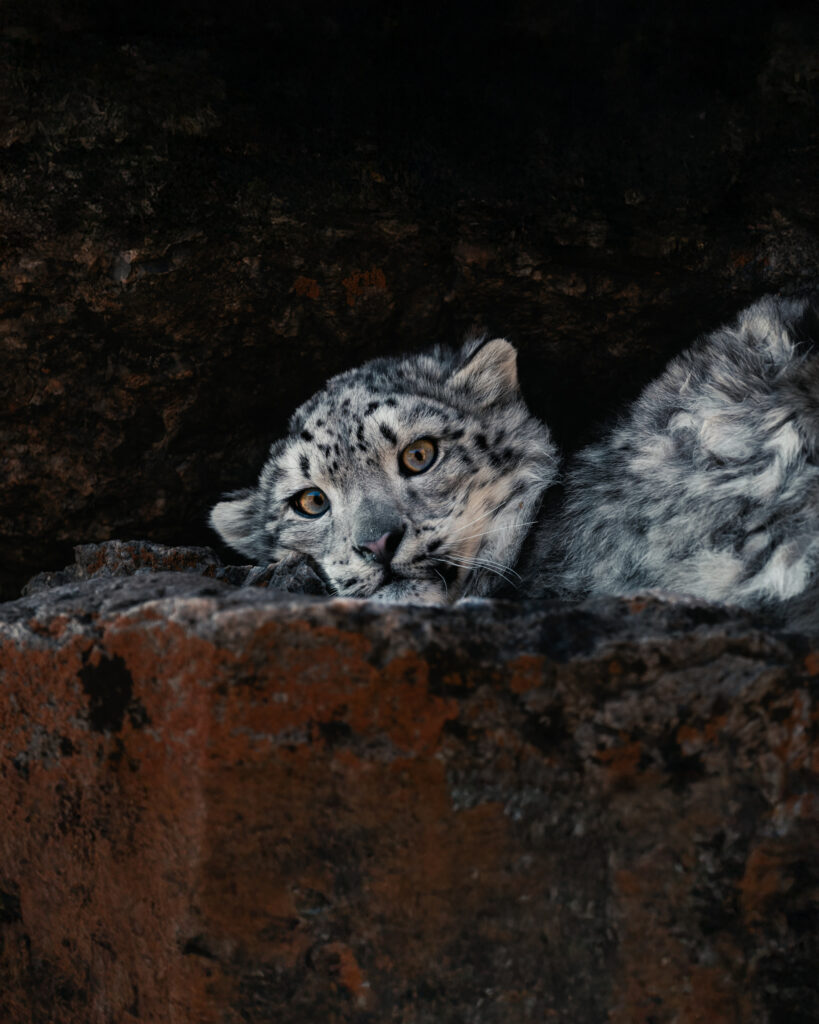
Snow leopard in Gobi during Mongolia wildlife photography tour
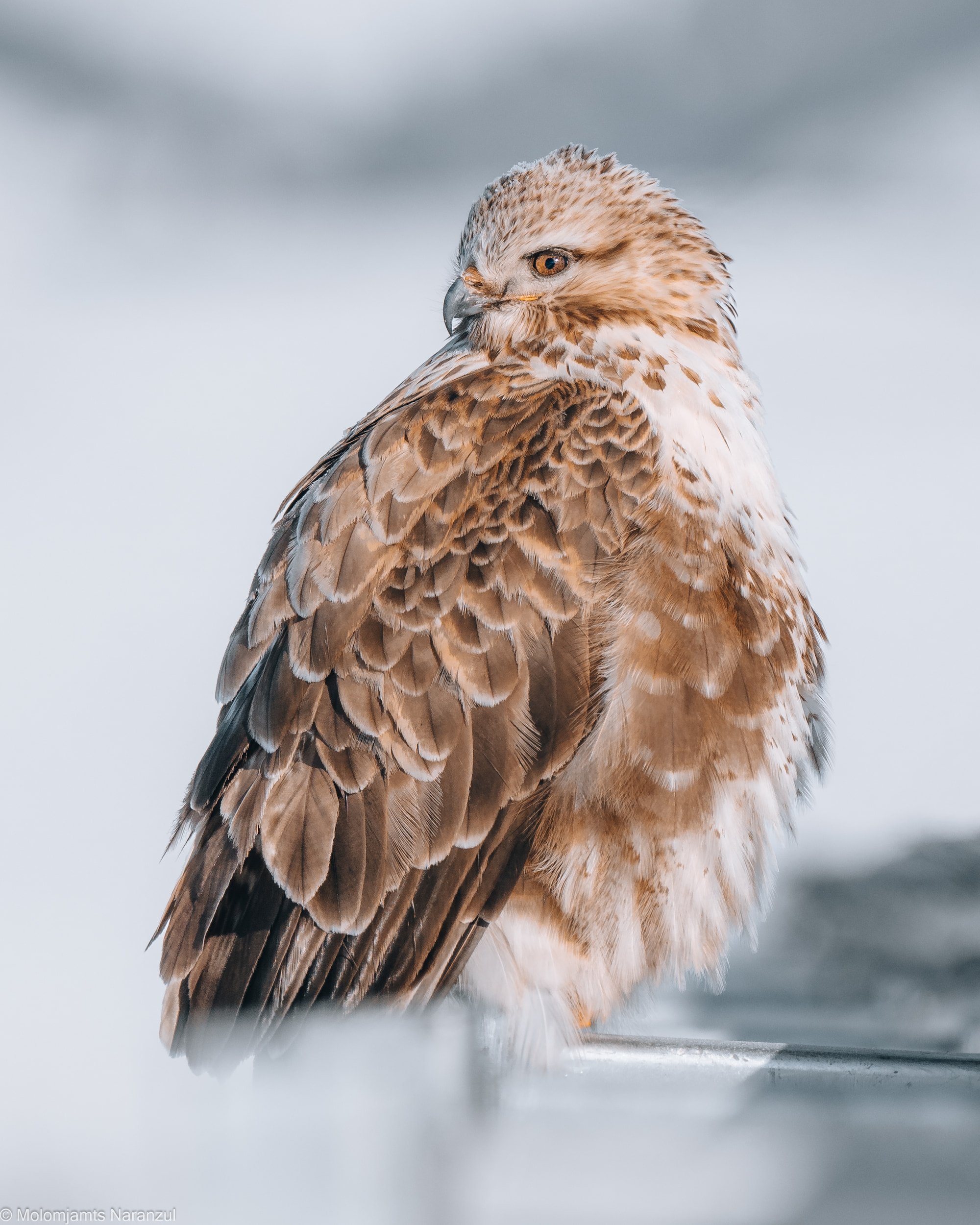
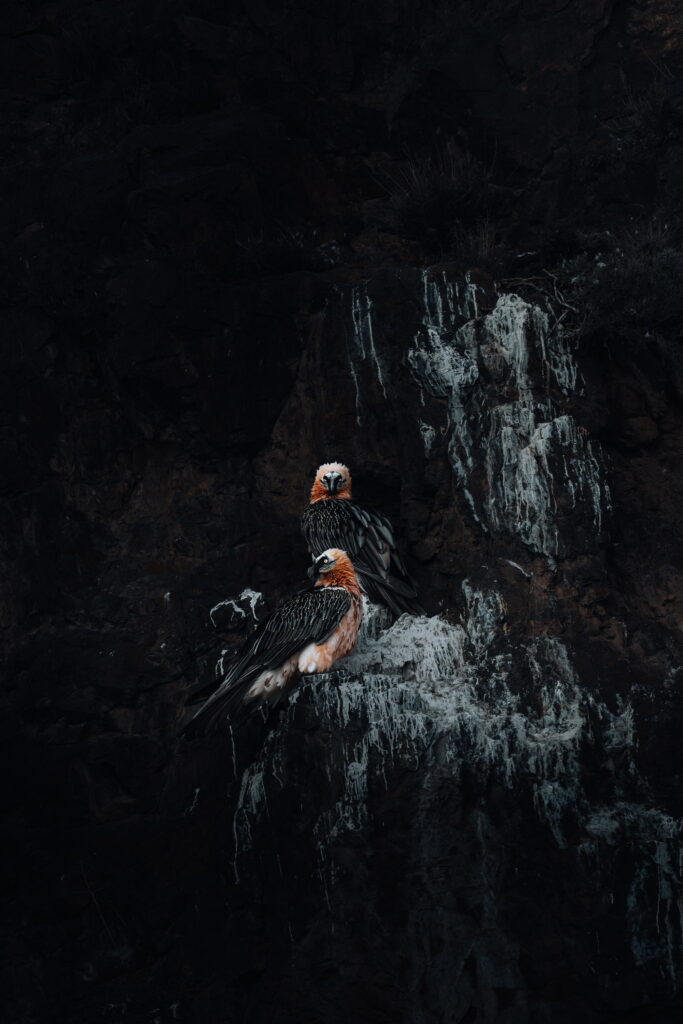
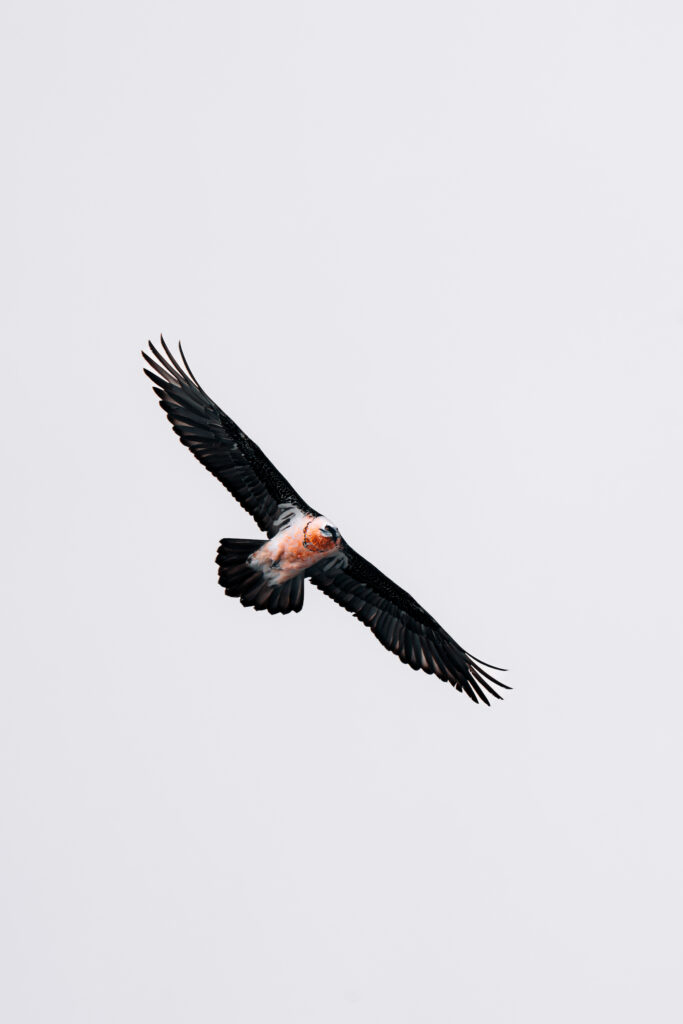
Bearded vulture in Mongolia South Gobi on wildlife watching tour
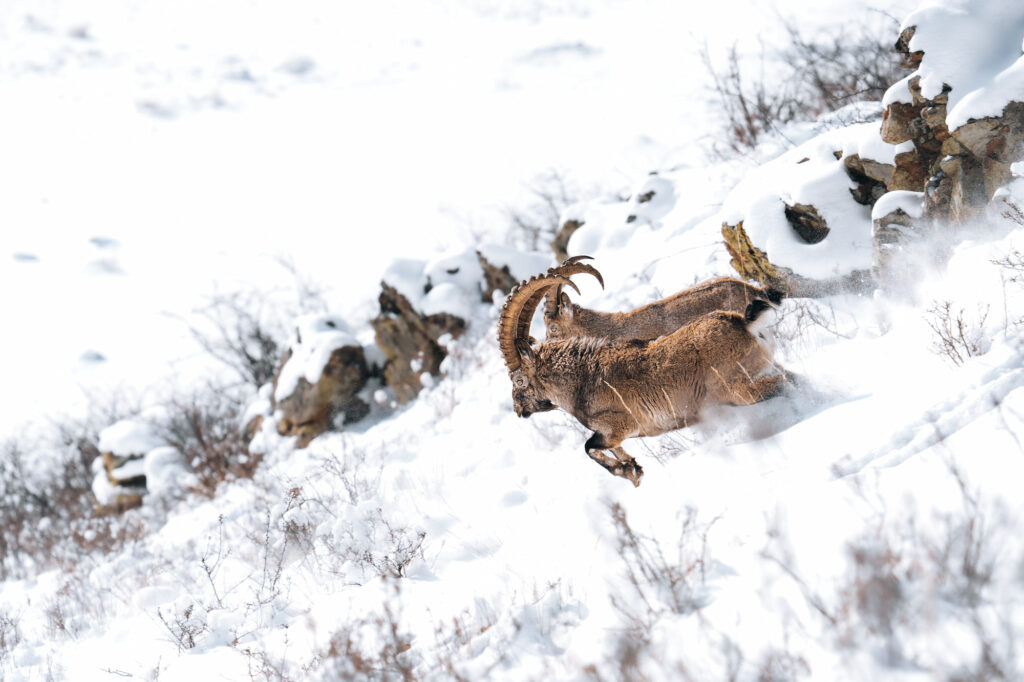
Gobi ibex running in snow. Another highlight on the Gobi wildlife observation tour
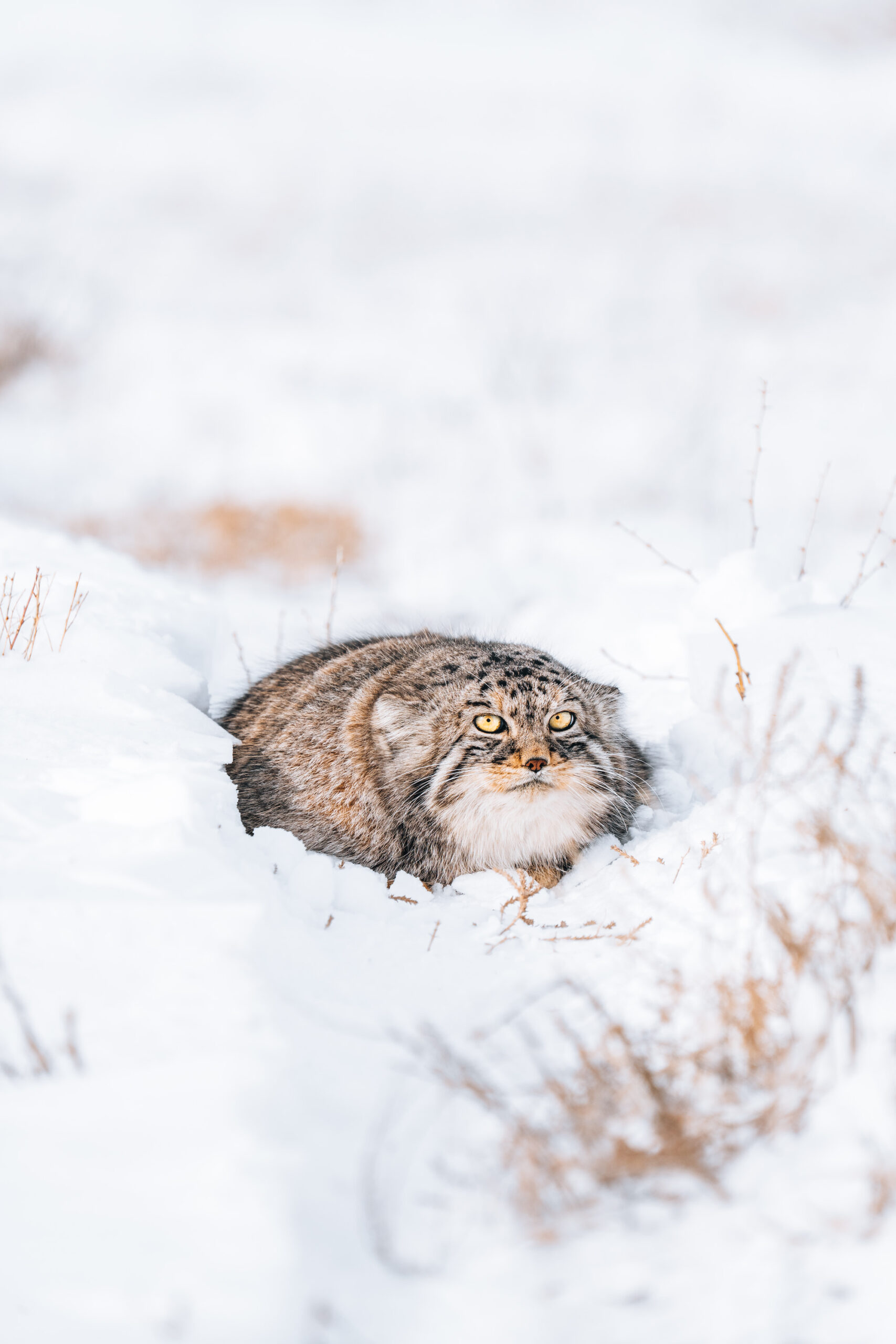
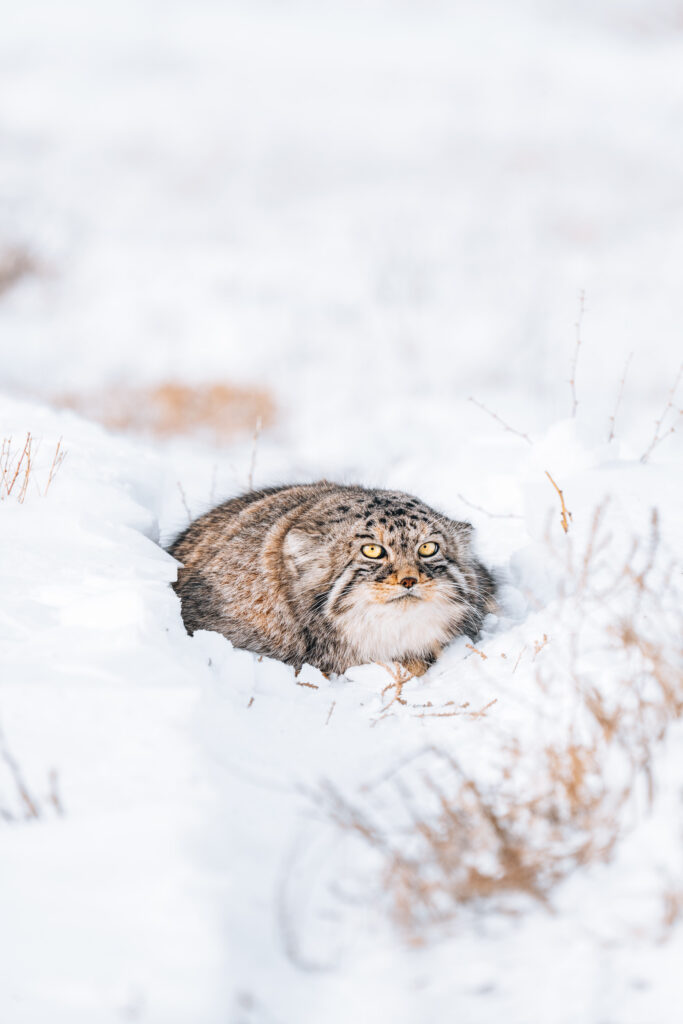
Pallas Cat in Mongolia during wildlife observation tour
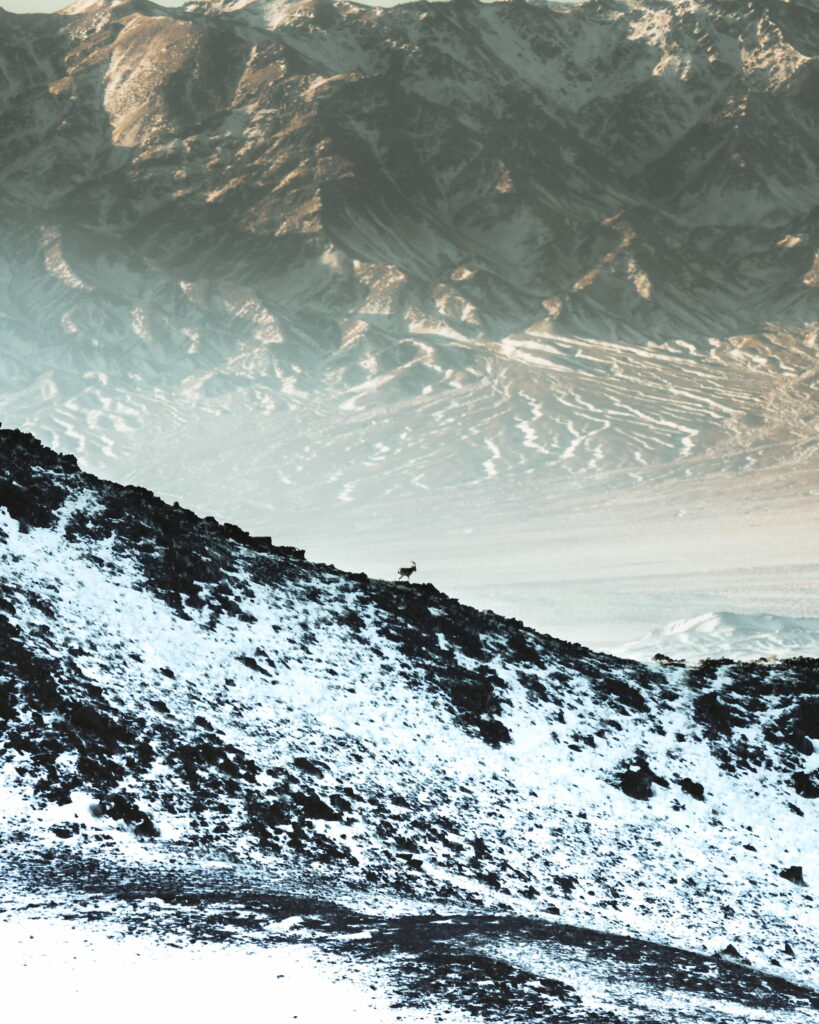
Gobi ibex standing on a ridge in Southern Mongolia. Spotted during a Gobi wildlife observation tour
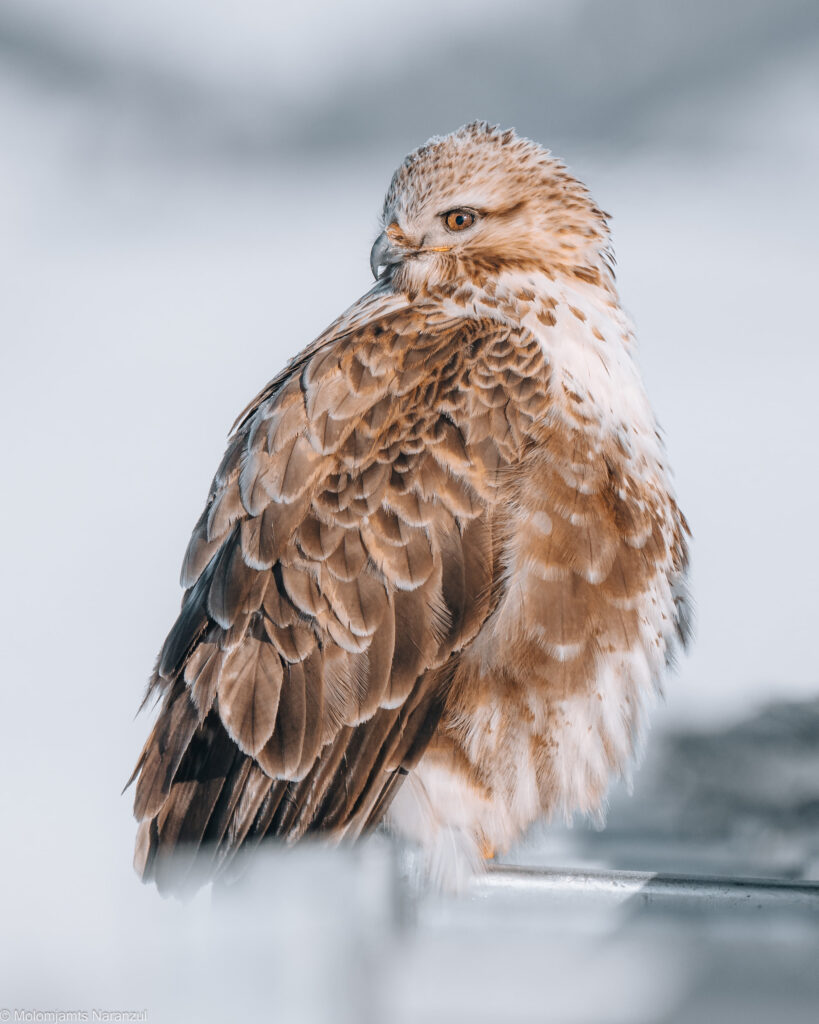
Rare bearded vulture spotted during bird watching in Mongolia Gobi desert on a birdwatching tour
Snow leopard in Mongolia

$3,500À partir de

7-22jours

difficulté

A Gobi focused Mongolia wildlife photography tour into the Great Gobi A Strictly Protected Area, designed and led by Mongolian wildlife photographer Mo.

This expedition-style Mongolia wildlife tour travels deep into the South Gobi and the legendary Great Gobi A Strictly Protected Area, one of the most remote, intact, and biologically important wilderness regions in Central Asia. Created by Mo — a Mongolian wildlife photographer and explorer with first-hand field experience — the route is carefully designed around ethical wildlife observation, winter trackinget extended time in key habitats rather than rushed sightseeing.

The focus is on species uniquely adapted to the harsh Gobi environment, including the léopard des neiges, wild Bactrian camel, Bouquetin de Gobi, bearded vulture, Cinereous vulture, ground jay, and the critically endangered Gobi bear (Maazalai). The journey prioritizes patience, silence, and understanding animal behavior in one of the world’s most extreme ecosystems.

Winter (November to April) offers the highest chances of snow leopard activity, with fresh tracks visible in snow and sand and increased daylight movement of wildlife. While this route can technically be operated year-round, it is first and foremost a serious winter wildlife observation tour designed for photographers, filmmakers, researchers, and committed nature travelers.

Why This Mongolia Wildlife Tour Is Special

This journey stands apart because it is designed by a Mongolian wildlife photographer, not a sightseeing operator. Every location has been chosen for its ecological importance, seasonal wildlife behavioret photographic potential.

Extended time is spent inside the Great Gobi A Protected Area, one of the last refuges of the wild camel et Ours de Gobi, allowing for meaningful observation rather than brief encounters. The route includes focused exploration of snow leopard habitat in the Baga Bogd Mountains and surrounding ranges, where winter conditions offer the best chance to read tracks and understand predator movement.

Travel is low-impact and ethical — there is no baiting, no disturbance, and no staged encounters. Remote camping, off-road travel, and long days in the field take the group far beyond standard Gobi routes, into landscapes rarely visited even within Mongolia.

Il s'agit de not a conventional Voyage en Mongolie. It is a true wilderness expedition into one of Asia’s last untouched regions.

Gobi Wildlife Highlights

This Mongolia wildlife photography tour focuses on species that are extremely rare, elusive, or seasonally active in winter. Key targets include the léopard des neiges, with winter being the peak tracking season in South Gobi mountain systems, and the wild Bactrian camel, one of the rarest large mammals on Earth.

The route also passes through the fragile range of the Gobi bear (Maazalai)critically endangered and found nowhere else on the planet. Gobi ibex and argali sheep are often seen along ridgelines and rocky slopes, while the skies are dominated by bearded vultures (Lammergeiers) and the massive Cinereous vulture, one of the world’s largest flying birds.

Endemic species such as the ground jay, along with golden eagles, foxes, wolves, and occasionally Pallas’s cat, add to the diversity of wildlife encounters.

Wildlife sightings are never guaranteed, but the route design, season, and slow pacing are optimized to maximize opportunity.

Best Time to Travel for Wildlife Observation in Gobi

The optimal season for this tour is De novembre à avril, when snow leopard movement is most likely, animal tracks are clearly visible, and tourist pressure is at its lowest. Winter also brings dramatic light, stark landscapes, and powerful photographic contrast, making it the strongest season for wildlife photography.

While the route can be operated outside winter, cold-season conditions offer the greatest wildlife focus and photographic rewards.

Wildlife Photography Focus

This is a true Mongolia wildlife photography tour, not a general sightseeing trip. Days are structured around long observation periods, careful positioning, and sunrise and sunset light rather than fixed driving schedules.

The tour supports wildlife storytelling in extreme environments, combining predators, scavenger dynamics, desert-adapted mammals, fossil landscapes, and vast Gobi scenery. Both photographers and filmmakers are supported in remote conditions, with flexibility built into the schedule to respond to wildlife activity and light.

Le 4×4 TOYOTA Landcruiser spécialement conçu par la société Explorer pour cette excursion.
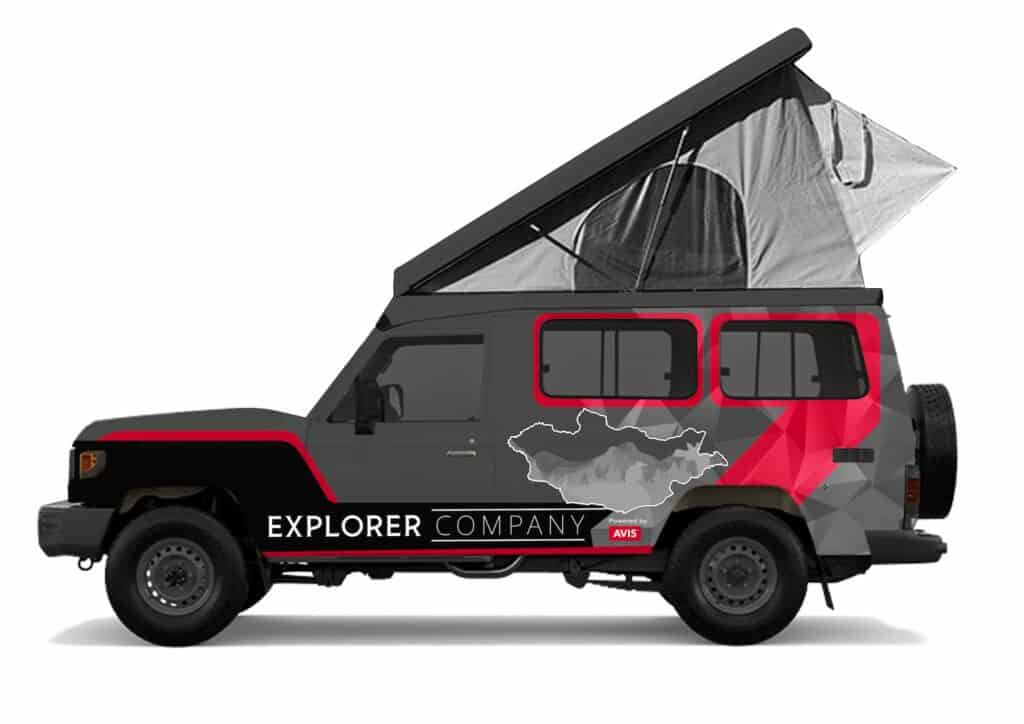
Mongolie Location de voiture TOYOTA Landcruiser 78 transmission automatique 4x4 avec Alucab Roof Top Tent
Location de voiture en Mongolie TOYOTA Landcruiser 78 transmission automatique 4×4 avec tente de toit Alucab

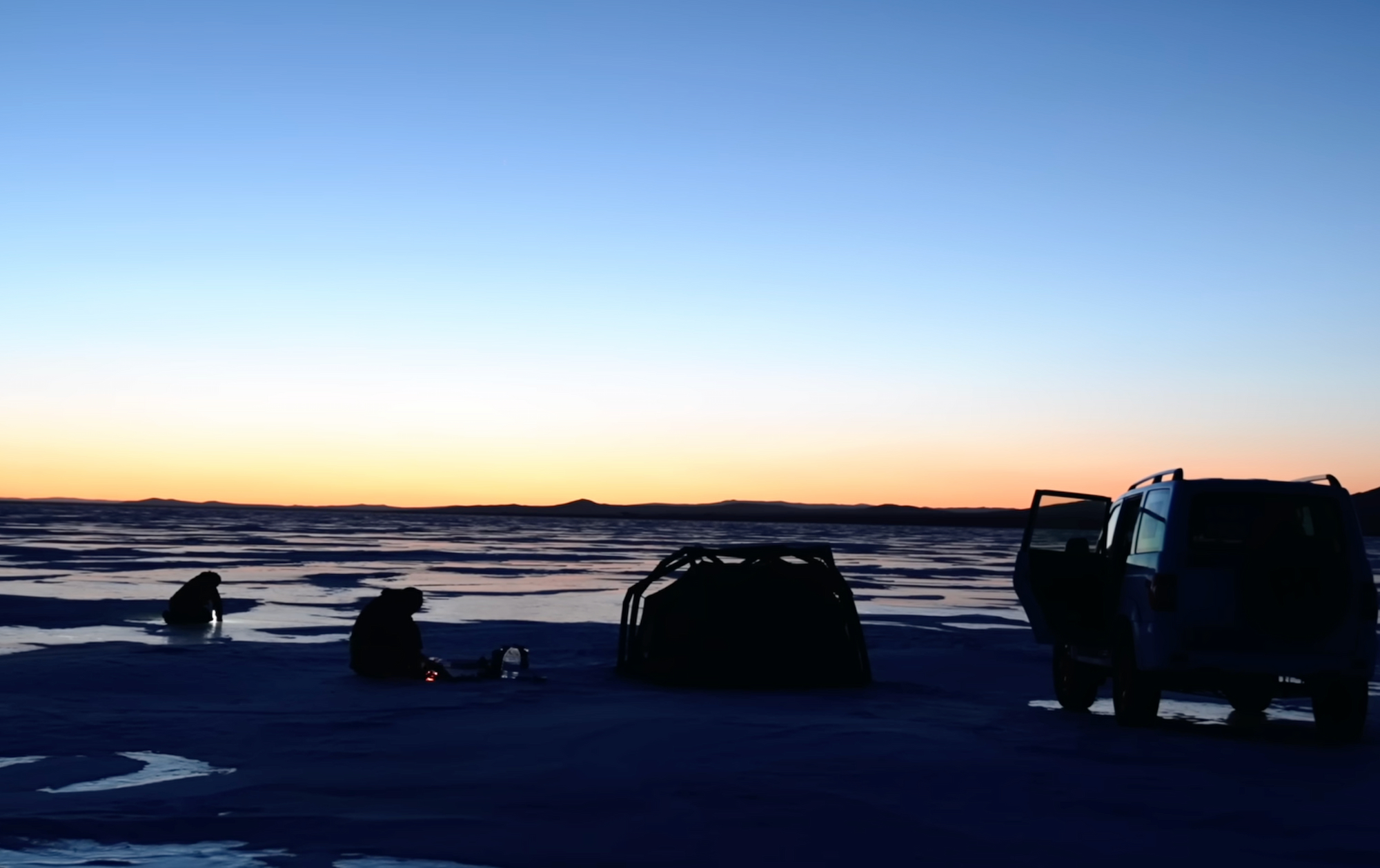
Le Explorer.Company 2025 TOYOTA Land Cruiser 78 Troopy est le véhicule d'expédition par excellence pour votre Voyage en Mongolie during the colder months. Conçu pour des aventures robustes et de longue durée, il est équipé d'une transmission automatique, de deux réservoirs diesel et de sièges souples pour quatre personnes. Restez au chaud et à l'aise avec un tente de toit Alu-Cab chauffée, a tente de cuisson dédiéeet un auvent à 270° pour s'abriter par tous les temps. Des fenêtres teintées protégées contre les UV, une table, des chaises, des planches à neige et à sable MaxTrax, un compresseur d'air, un whinch et un bidon de lavage à la main monté garantissent une expérience d'overlanding entièrement équipée. Parfait pour les voyageurs à la recherche de confort, de fiabilité et d'une véritable indépendance lorsqu'ils explorent les paysages sauvages de la Mongolie pendant les mois d'hiver.
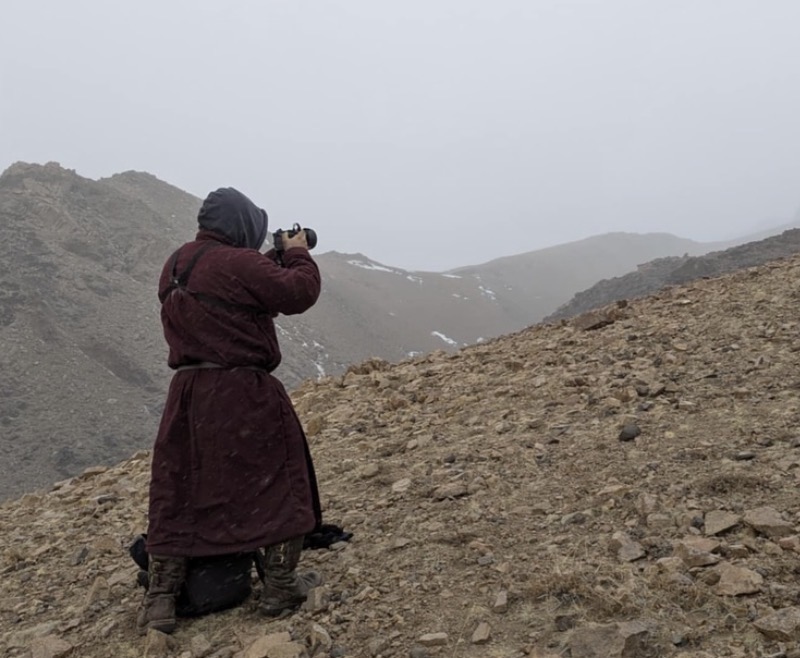
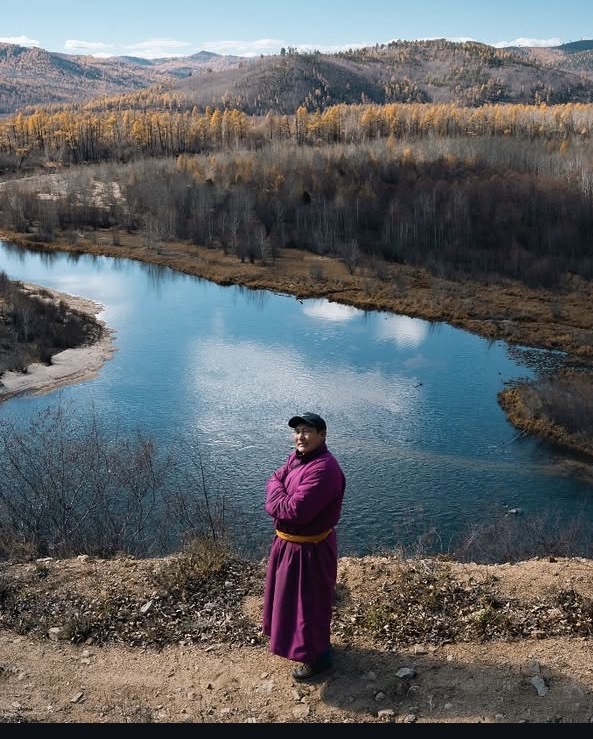
Mo

Rencontre avec l'explorateur

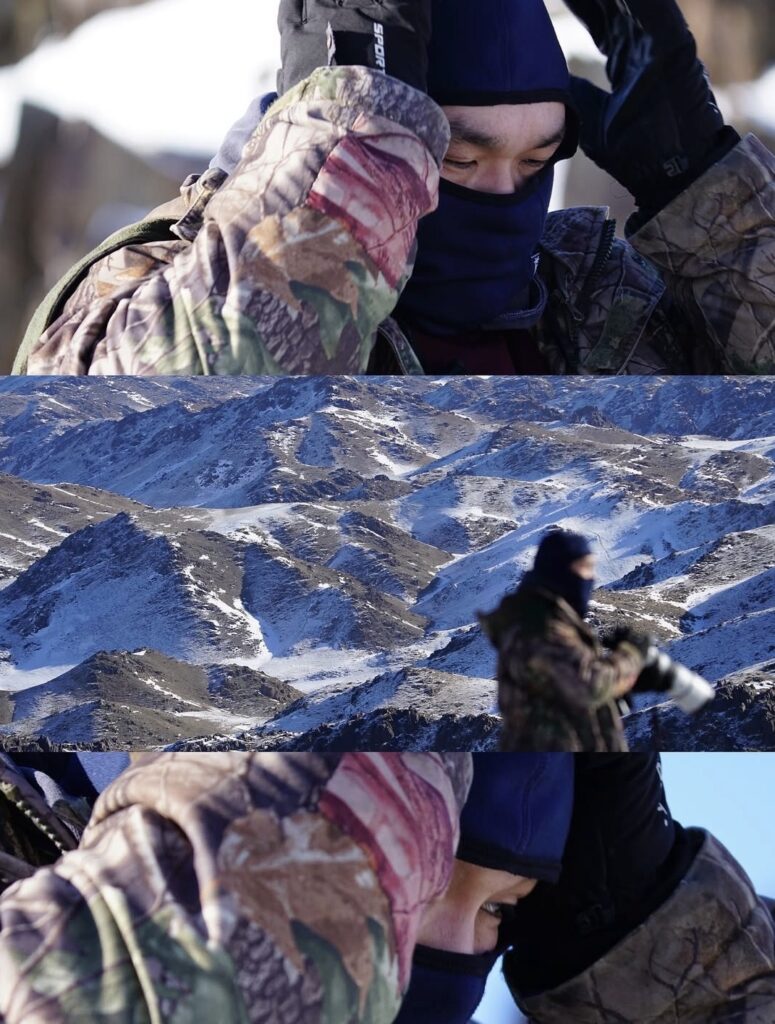
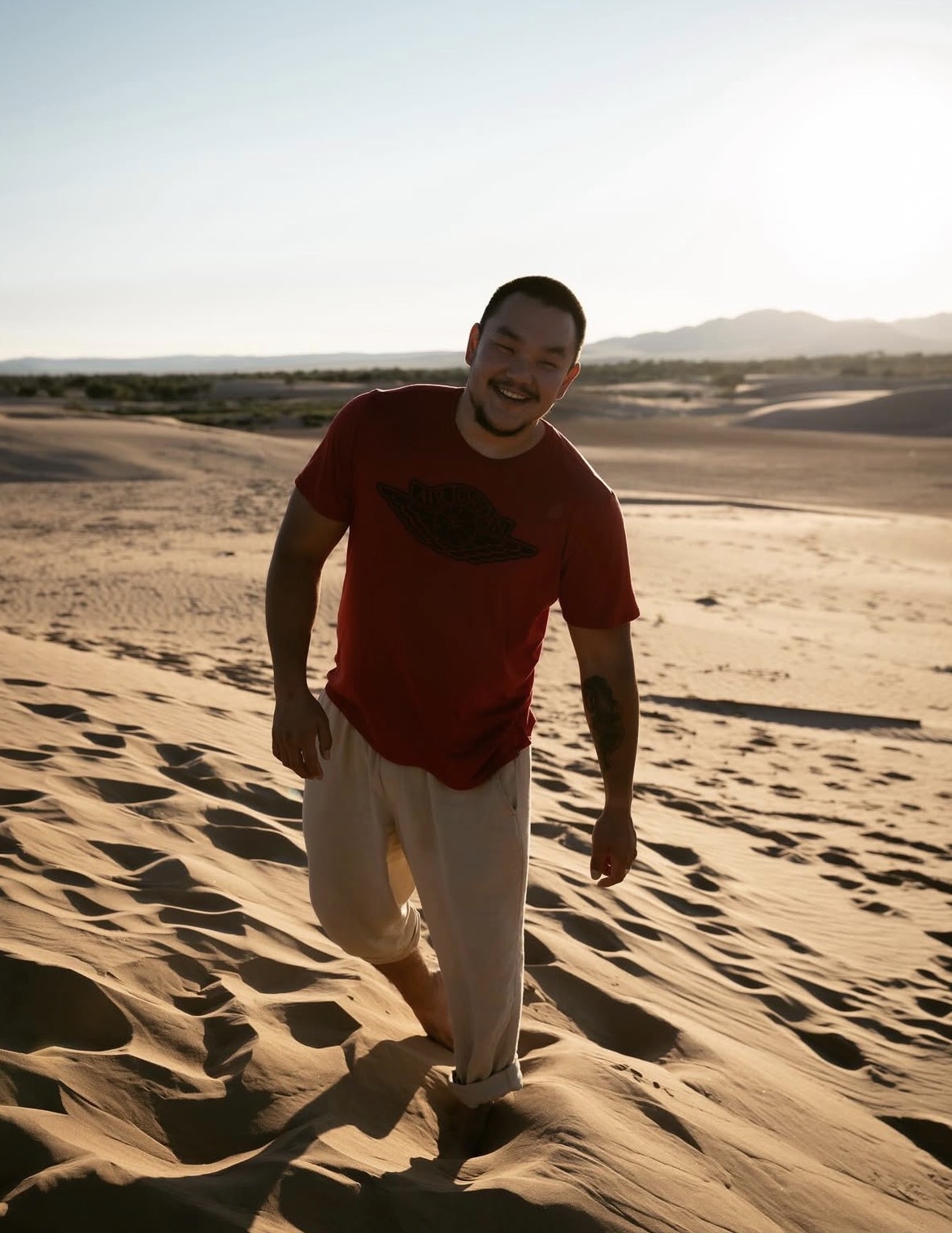
Mo - wildlife photographer in Mongolia and tour guide for the Gobi wildlife observation tour

Wildlife photographer

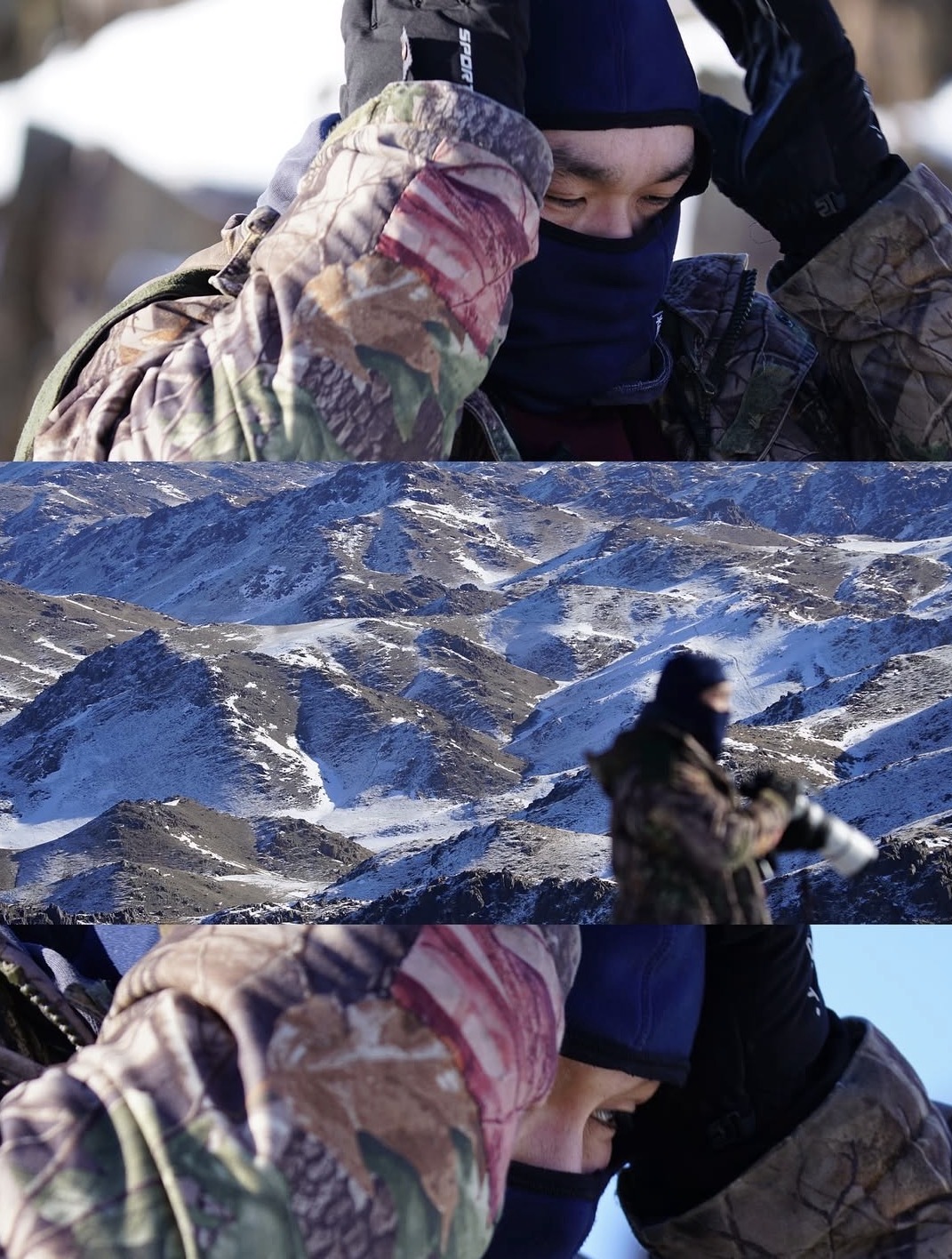
    Wildlife photographer Mo capturing snow leopards in the Gobi
    Pallas Cat in Mongolia during wildlife observation tour
    Mo observing wildlife in Mongolia
    Mo on wildlife photography tour in Mongolia in winter
    Gobi ibex running in snow. Another highlight on the Gobi wildlife observation tour
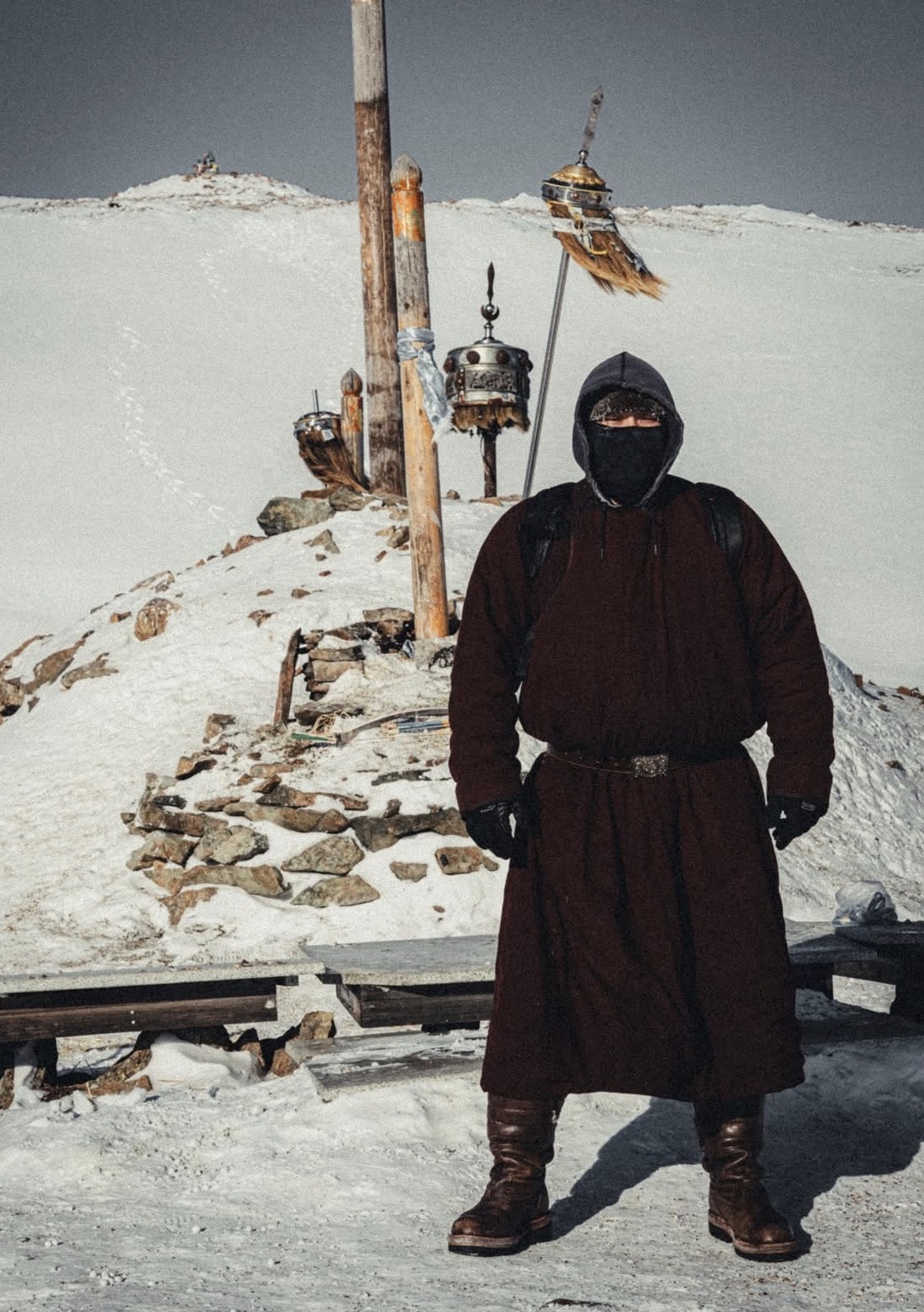
    Mo on Mongolia winter trip
    Rare bird watching in Mongolia
    Snow leopard in Mongolia
    Wildlife photographer Mo capturing snow leopards in the Gobi
    Pallas Cat in Mongolia during wildlife observation tour
    Mo observing wildlife in Mongolia
    Mo on wildlife photography tour in Mongolia in winter
    Gobi ibex running in snow. Another highlight on the Gobi wildlife observation tour
    Mo on Mongolia winter trip
    Rare bird watching in Mongolia
    Snow leopard in Mongolia

Molomjamts has photographed many of Mongolia’s rare and iconic wildlife species, including the elusive Snow Leopard, Pallas’s Cat, the critically endangered Wild Bactrian Camel, Bearded Vulture, Siberian Ibex, Argali, Goitered Gazelle, and Mongolia’s legendary Golden Eagle. His field experience tracking these species allows him to guide travelers and photographers to some of the best wildlife locations in the country.

Molomjats' favorite region is the Gobi Desert. Millions of years ago, much of this region was covered by an ancient ocean, which helped shape its dramatic cliffs, valleys, and unique desert landscapes. Today, the Gobi remains one of Mongolia’s most fascinating ecosystems and is home to many of the country’s rarest wildlife species.

His guiding skills include wildlife tracking, working closely with local communities, leading winter expeditions, and navigating Mongolia’s remote terrain through off-road travel. These skills allow him to safely guide guests into some of the country’s most untouched environments.

In 2025, Molomjamts participated in the Mongolian Landscape Photography of the Year awards organized by the Mongolian Landscape Photographers’ Society. One of his photographs was selected among the Top 10 and displayed in a public gallery, reflecting both his passion for photography and his deep connection to Mongolia’s natural environment.

Choisissez votre voyage idéal

Des circuits à votre mesure

We’ve curated a range of itineraries to share Mo's expertise in Mongolian culture and travel with everyone. Choose your perfect trip below. For a fully customized tour, contact us using the form below.

  • Atterrissage à Oulan-Bator, porte d'entrée de la nature sauvage de Mongolie

    Jour 1
    • Arrivée, découverte de la ville, dîner
    • Hôtel 5 étoiles

    Votre Mongolian adventure tour begins with a warm welcome in Ulaanbaatar. Après vous avoir accueilli à l'aéroport, nous vous conduirons dans un hôtel haut de gamme du centre-ville. Faites connaissance avec la capitale de la Mongolie pendant que notre équipe vous aide à rassembler vos provisions et à vous familiariser avec votre hôtel. Location d'une voiture 4×4 TOYOTA Land Cruiser. Terminez votre première journée par un délicieux dîner, composé d'un plat traditionnel ou d'un plat de résistance. Plats mongols ou des options internationales, avant de partir demain dans la nature.

  • Ulaanbaatar to Bayankhongor: Gateway to the Gobi Wilderness

    Jour 2
    • Wild horses Przewalski, red deer, fox and gazelle wildlife watching
    • Hôtel

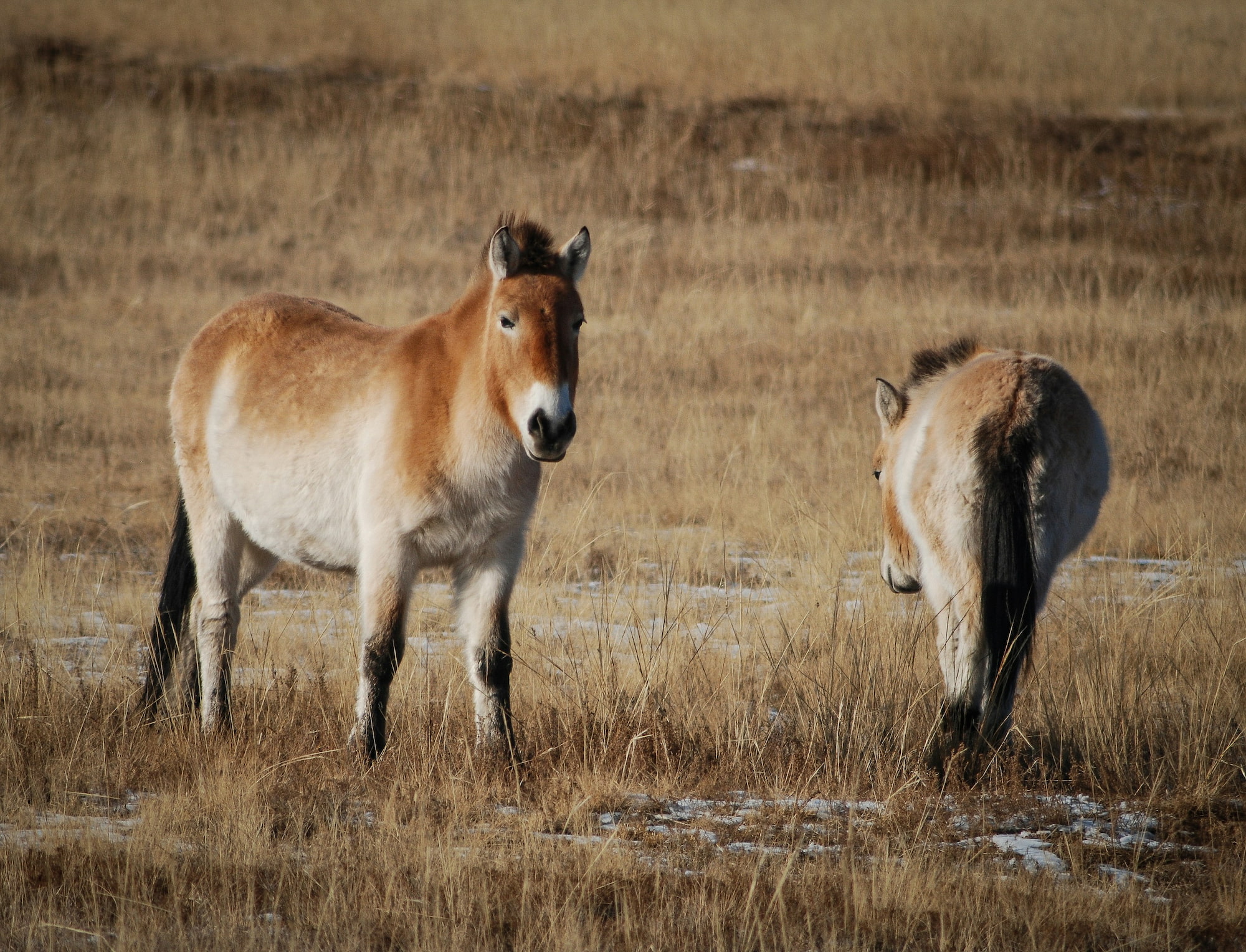
    Votre wildlife photography Voyage en Mongolie begins with an early departure from Ulaanbaatar, heading west toward the open landscapes of central Mongolia. The first wildlife stop is Parc national de Khustai, one of Mongolia’s most important conservation success stories and home to the reintroduced Le cheval de Przewalski, as well as red deer, Mongolian gazelle, fox, and wolf.

    Continuing west, the landscape changes at Elsen Tasarkhai, often called the “Mini Gobi,” where sand dunes meet grassland and rocky hills. This transition zone offers excellent photographic opportunities and introduces the ecological contrasts that define Mongolia. By evening, you reach Bayankhongor, resting before entering the deep Gobi regions.

  • Gobi-Altai Mountains: First Gobi Wildlife Observation

    Troisième jour
    • Offroad tracks, mountain exploration, tracking
    • Wild Camp – Tsogt Soum, Gobi-Altai

    The route climbs into the Montagnes de Gobi-Altaï, where sharp ridgelines rise from the desert floor. This area provides ideal winter habitat for Bouquetin de Gobi et argali sheep, frequently seen silhouetted along rocky slopes.

    The day is dedicated to wildlife observation in winter conditions, scanning for predator movement and learning to read tracks in snow and stone. With patience, there is also a chance of encountering fox, wolf, or the elusive Le chat de Pallas. Camp is set in the mountains under clear desert skies.

  • Eej Mountain & Entry into the Great Gobi A Protected Area

    Jour 4
    • Spiritual landscapes, wild camel habitat
    • Wild Camp – Bayan Tooroi, Great Gobi A

    Exploration begins at Eej Mountain, a spiritually significant landmark with wide desert views. Beyond its cultural importance, the surrounding slopes offer excellent vantage points for observing mountain wildlife.

    From here, the expedition enters the Great Gobi A Strictly Protected Area, one of the most remote ecosystems in Central Asia. This region is home to the wild Bactrian camel, one of the rarest large mammals on Earth. Time is spent tracking, scanning open plains, and experiencing the isolation that defines this protected wilderness.

  • Ekh River: Oasis in the Great Gobi A

    Jour 5
    • Wildlife tracking, rare species range
    • Wild Camp – Great Gobi A

    Le Ekh River forms a narrow oasis cutting through the desert and attracting wildlife from far distances. Animal tracks converge along the riverbanks, offering insight into desert survival strategies.

    This area lies within the range of the critically endangered Gobi bear (Maazalai). Even without a sighting, understanding that one of the world’s rarest bears survives here highlights the conservation importance of the Great Gobi A Protected Area.

  • Ekh River: Oasis in the Great Gobi A

    Jour 6
    • Wildlife tracking, rare species range
    • Wild Camp – Great Gobi A

    Le Ekh River forms a narrow oasis cutting through the desert and attracting wildlife from far distances. Animal tracks converge along the riverbanks, offering insight into desert survival strategies.

    This area lies within the range of the critically endangered Gobi bear (Maazalai). Even without a sighting, understanding that one of the world’s rarest bears survives here highlights the conservation importance of the Great Gobi A Protected Area.

  • Khermen Tsav: The Gobi’s Grand Canyon

    Jour 7
    • Desert oases, fossil landscapes
    • Wild Camp – Khermen Tsav

    Travel continues through rare vegetated areas such as 100 Mod, where animals gather for shade and water. Nearby Tsagaan Tsav reveals pale rock walls and layered geological formations, with occasional dinosaur fossils visible to the trained eye.

    By evening, you arrive at Khermen Tsav, a dramatic canyon system often compared to a desert Grand Canyon. Towering red cliffs, deep ravines, and sculpted stone corridors dominate the landscape.

  • Khermen Tsav: Deep Exploration & Landscape Photography

    Jour 8
    • Canyon exploration, observation
    • Wild Camp – Khermen Tsav

    A full day allows deeper exploration of Khermen Tsav. Hidden side canyons and elevated viewpoints provide sweeping views across the fractured desert. The slower pace supports careful wildlife observation, geological study, and landscape photography in changing light.

  • Zulganai Gol & Tsagaan Tsav: Desert Oases of the South Gobi

    Jour 9
    • Wildlife tracking, fossil formations
    • Wild Camp – Gurvan Tes, South Gobi

    The route reaches Zulganai Gol, another vital oasis supporting life in the South Gobi. Vegetation contrasts sharply with surrounding desert, making it ideal for studying animal movement and tracks.

    Later, exploration continues around Tsagaan Tsav, where layered cliffs and sculpted formations provide both scientific interest and dramatic photographic subjects.

  • Nemegt Basin: Ancient Rivers & Fossil Valleys

    Jour 10
    • Geological exploration
    • Wild Camp – Nemegt Region

    Le Nemegt Basin is one of Mongolia’s most famous fossil regions. Deep valleys, eroded cliffs, and colorful sediment layers reveal traces of ancient rivers and prehistoric ecosystems. Beyond its scientific importance, the area offers surreal scenery and a strong sense of geological time.

  • Khongor Sand Dunes: Icon of the Gobi Desert

    11ème jour
    • Dunes, desert contrasts
    • Tourist Camp – South Gobi

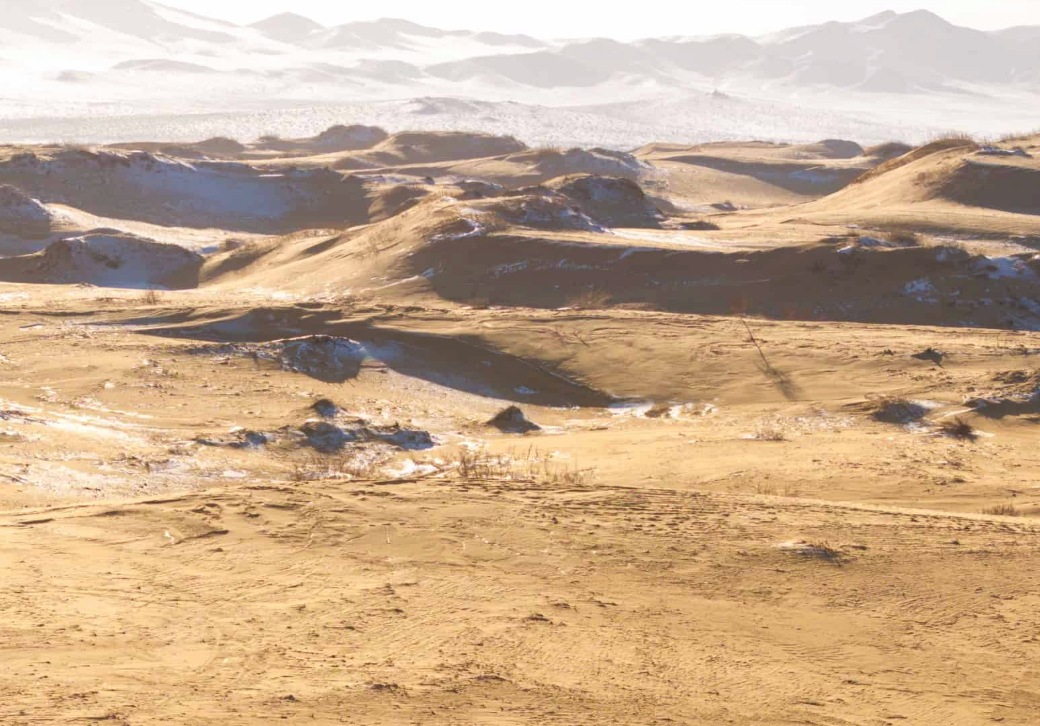
    Arrival at the legendary Dunes de sable de Khongor, also known as the Singing Dunes, marks a dramatic change in scenery. The nearby Khongorin Gol creates a green corridor at the base of the dunes, attracting wildlife and nomadic families. The contrast between sand, water, and sky makes this one of Mongolia’s most iconic landscapes.

  • Baga Bogd Mountains: Snow Leopard Habitat

    Jour 12
    • Red rock formations, predator tracking
    • Wild Camp – Uvurkhangai

    The day begins at Uush Shakhlaga, a vivid red landscape with sculpted rock formations. In the afternoon, the expedition moves toward the Baga Bogd Mountain Range, a known snow leopard habitat in Mongolia.

    Winter conditions allow for tracking and understanding how this elusive predator survives in one of the harshest environments on Earth.

  • Day 11 – Drive to Kharkhorin & Erdene Zuu Monastery

    Jour 13
    • Cultural exploration, historic Silk Road capital
    • Premium Hotel – Ikh Khorum, Kharkhorin

    After days spent deep in the wilderness, your Mongolia wildlife photography tour transitions briefly from remote desert landscapes to Mongolia’s cultural heartland. The day’s drive leads north toward Kharkhorin, the ancient capital of the Mongol Empire and a key site along the historic Silk Road.

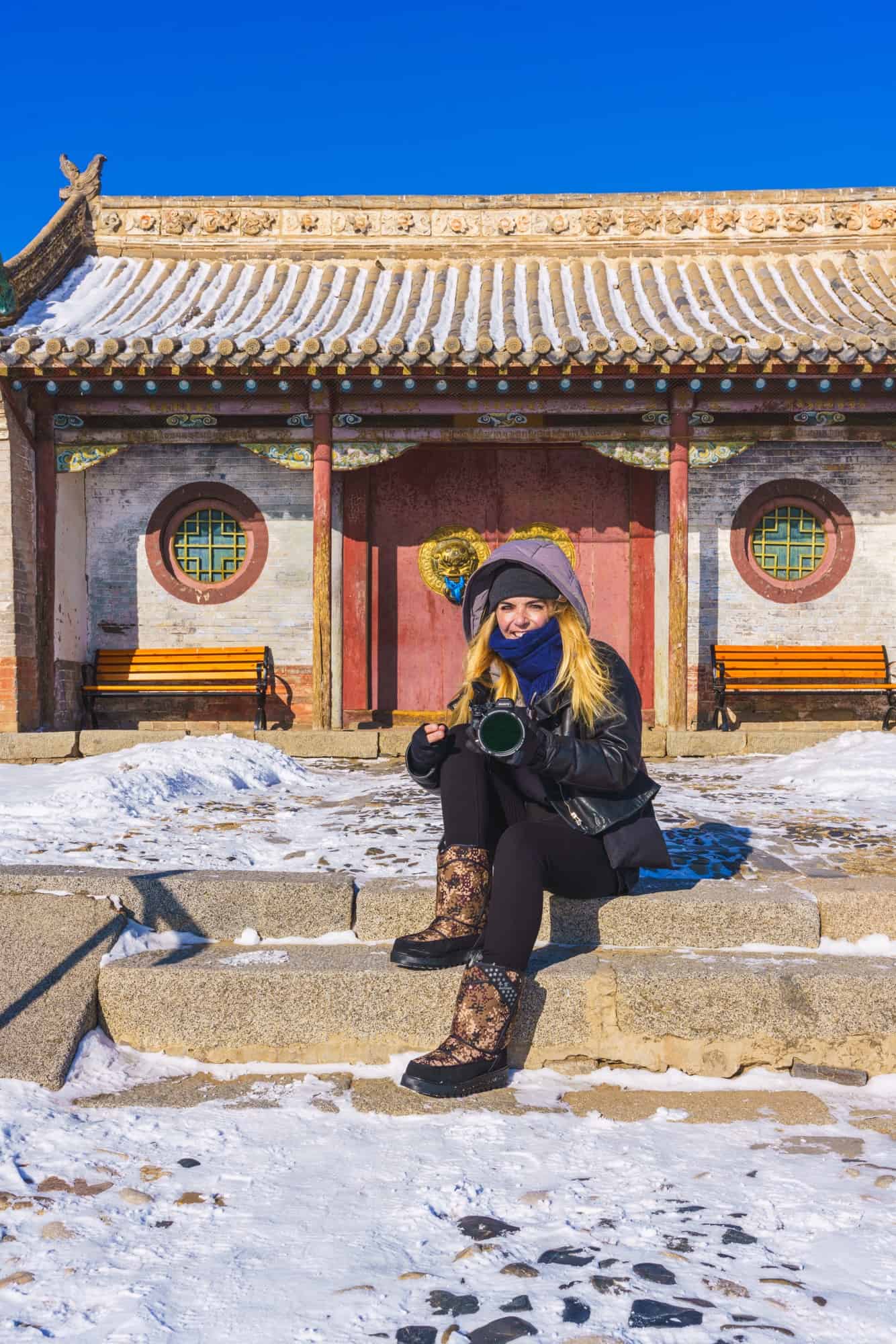
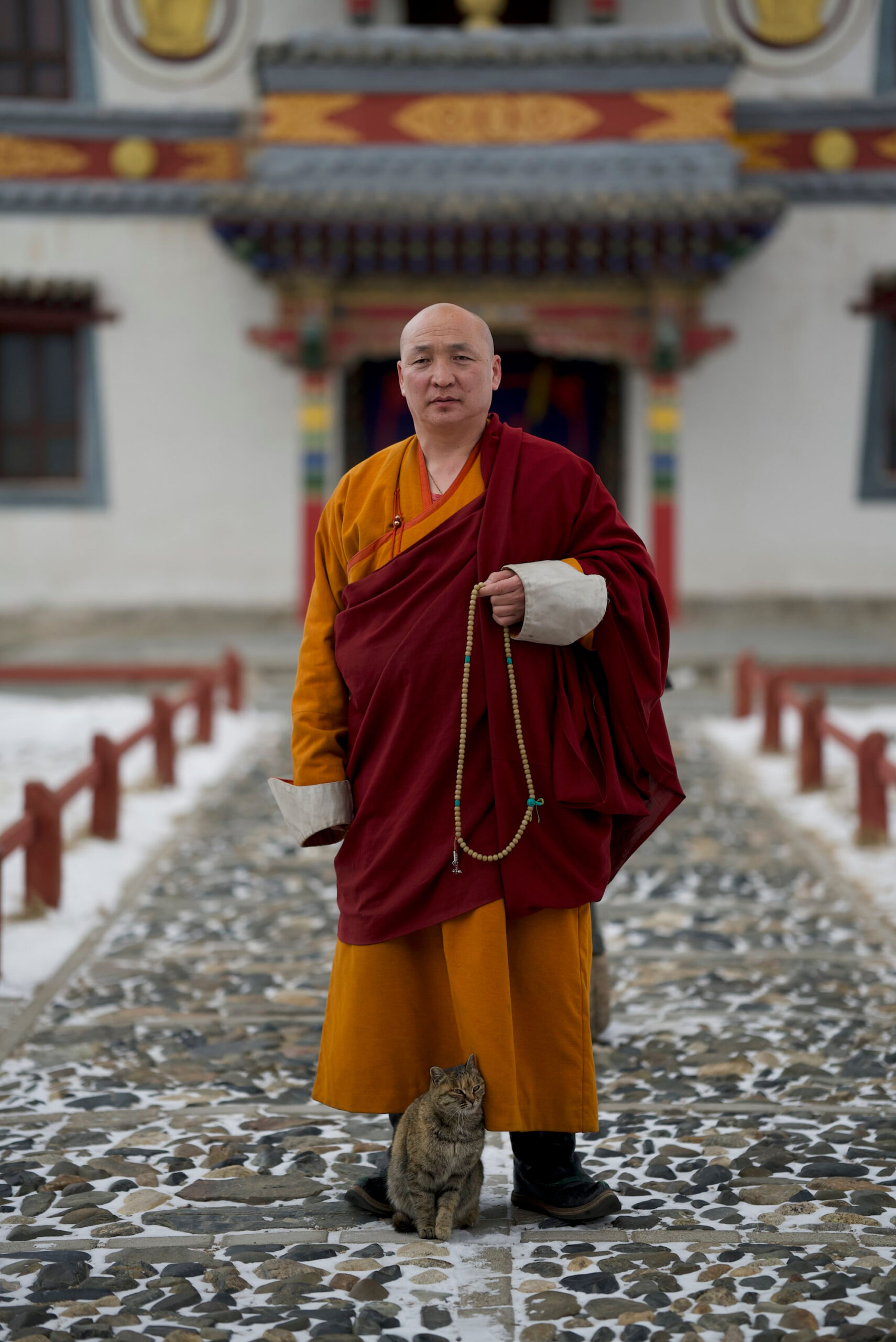
    Upon arrival, visit Monastère d'Erdene Zuu, Mongolia’s oldest Buddhist monastery and one of the country’s most important cultural landmarks. Built using stones from the ruins of the ancient capital, the monastery’s white stupas and temple courtyards offer a striking contrast to the raw landscapes of the Gobi.

    This cultural interlude provides valuable context to Mongolia’s nomadic heritage, belief systems, and history before the journey continues back into nature-focused exploration.

    The evening is spent in Ikh Khorum, a comfortable premium hotel in Kharkhorin, offering warm showers, solid meals, and well-earned rest after extended days of expedition travel.

  • Return to Ulaanbaatar & Farewell Dinner

    14ème jour
    • Overland journey, city comfort, final celebration
    • 5-Star Hotel – Ulaanbaatar City Center

    The final day of your Mongolia wildlife photography tour is spent driving back to Ulaanbaatar, completing the full journey from the remote landscapes of the Great Gobi A Protected Area to Mongolia’s vibrant capital.

    Upon arrival, check in to a 5-star hotel in the city center, where comfort and modern amenities provide a welcome contrast after weeks of expedition travel. Time is available to rest, refresh, or take a short walk through the city before the evening.

    The journey concludes with a final farewell dinner at a modern Ulaanbaatar restaurant, blending contemporary Mongolian cuisine with international influences. It is a moment to reflect on wildlife encounters, winter landscapes, and the rare experience of exploring one of Asia’s last true wilderness regions.

    Overnight in Ulaanbaatar, marking the end of an unforgettable Mongolia wildlife tour.

  • Airport Transfer & Departure from Mongolia

    Jour 15
    • Private transfer, end of the expedition

    After breakfast at your hotel, a private airport transfer is arranged to Ulaanbaatar International Airport, timed according to your departure flight.

    This marks the official end of your Mongolia wildlife photography tour. You leave Mongolia with a deeper understanding of the Great Gobi A Protected Area, rare desert wildlife, and winter ecosystems — and with photographic and personal memories from one of the world’s last great wilderness regions.

    Safe travels, and farewell from Mongolia.

      Modifier la durée du voyage

      Contactez-nous dès aujourd'hui 

      commencer à planifier votre rêve

      Vos vacances de rêve en Mongolie ne sont plus qu'à quelques clics. Remplissez le formulaire ci-dessous en indiquant vos préférences et l'un de nos experts en voyages en Mongolie vous contactera.

      À titre indicatif, nous estimons qu'un voyage en Mongolie de 2-3 étoiles coûte $150-$250 par personne et par jour, et qu'un voyage en Mongolie de 4-5 étoiles coûte $250-$750 par personne et par jour.

      Dates de tournée disponibles

      Mois
      Tour
      avril 2026
      mai 2026
      Juin 2026
      juillet 2026
      Août 2026
      septembre 2026
      fr_FRFrench