


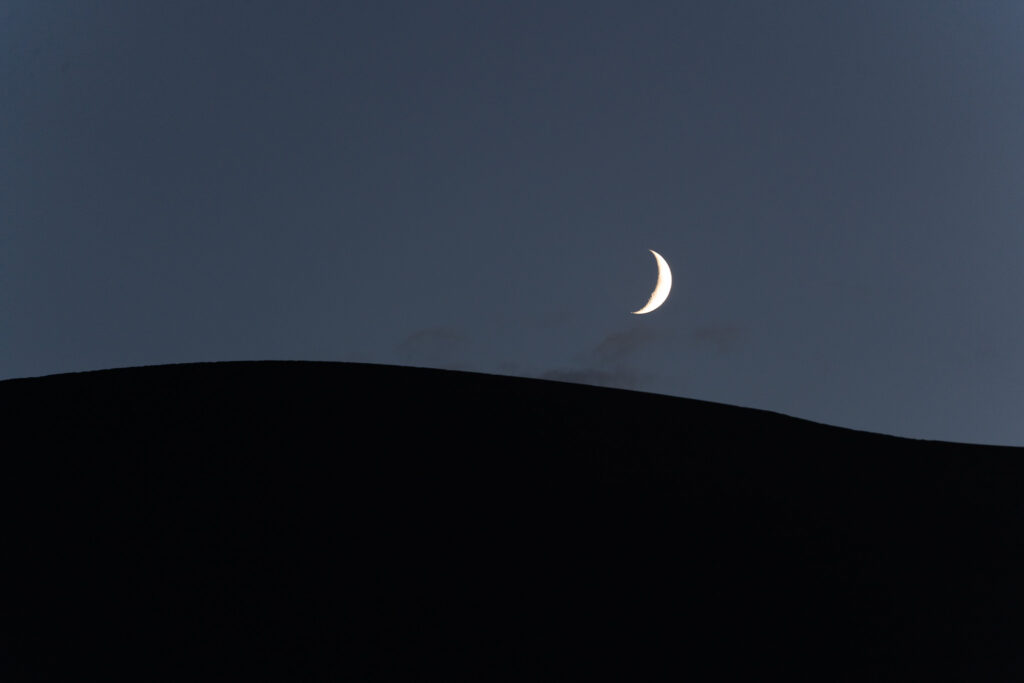
If you’ve spent most of your life under light-polluted skies, the first clear night in the Gobi can be genuinely disorienting. There’s no gradual fade from dusk to darkness. No halo from a distant town. One moment you’re watching the last color drain from the desert, and the next, the sky opens up — sharp, crowded, and almost overwhelming. Gobi Astrophotography just might be some of the best in the world.
This is why Gobi stargazing has quietly become one of Mongolia’s most rewarding experiences for independent travelers. You don’t need an observatory, a guide with a laser pointer, or years of astrophotography experience. What you do need is the freedom to travel on your own schedule, park where the light pollution truly disappears in remote destinations, and stay out late without worrying about anyone rushing you back to camp.
Whether you’re renting a vehicle through AVIS 몽골 또는 joining a self-drive tour, the Gobi offers some of the darkest, most accessible night skies on the planet. This guide focuses on the practical side of that experience: where to go, when it works best, what gear actually matters, and how to come home with real starry-night-sky photos instead of blurry disappointments.
Why the Gobi Is One of the Best Places in the World to Stargaze
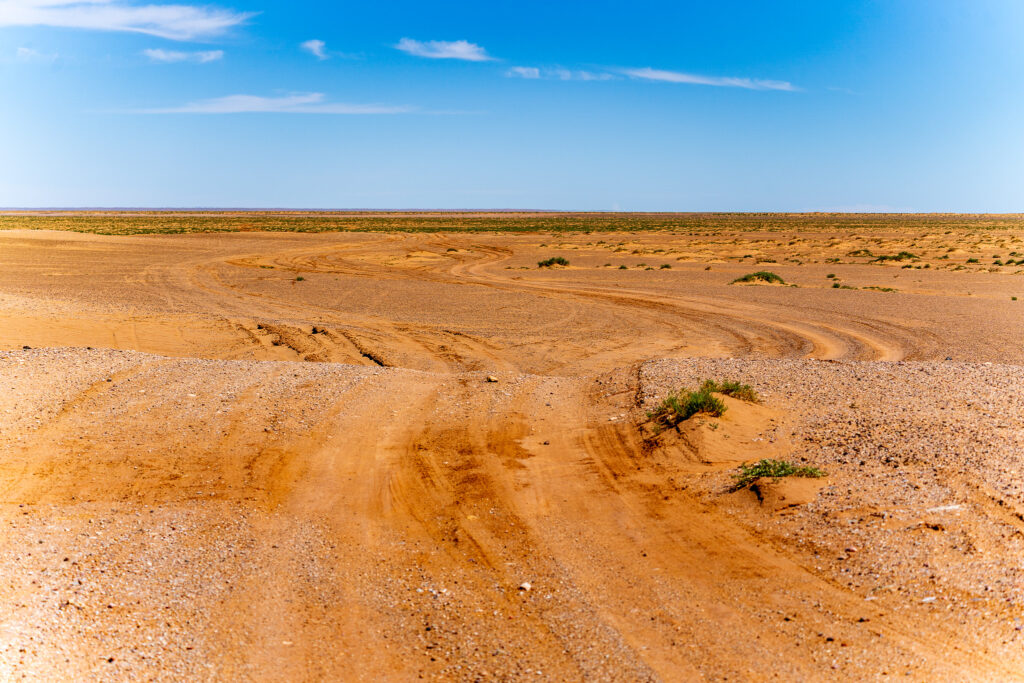
Let’s get the obvious out of the way: the Gobi is remote. And that’s exactly the point.
Most of southern Mongolia sits under Bortle Class 1–2 skies, meaning virtually zero artificial light pollution. There are no nearby cities, no highways lined with streetlamps, and no clusters of development bleeding light into the horizon. Once the sun sets, darkness arrives quickly and completely.
But darkness alone isn’t enough. What makes dark sky tours in Mongolia especially compelling is the combination of:
- High elevation (cleaner, thinner air)
- Dry climate (less atmospheric moisture to scatter light)
- Wide, unobstructed horizons (ideal for Milky Way and planetary viewing)
- Low population density (fewer unexpected light sources)
Add in the fact that many Gobi routes are accessible by 4WD, and independent travelers can position themselves exactly where they want to be.
The Best Places in the Gobi for Stargazing
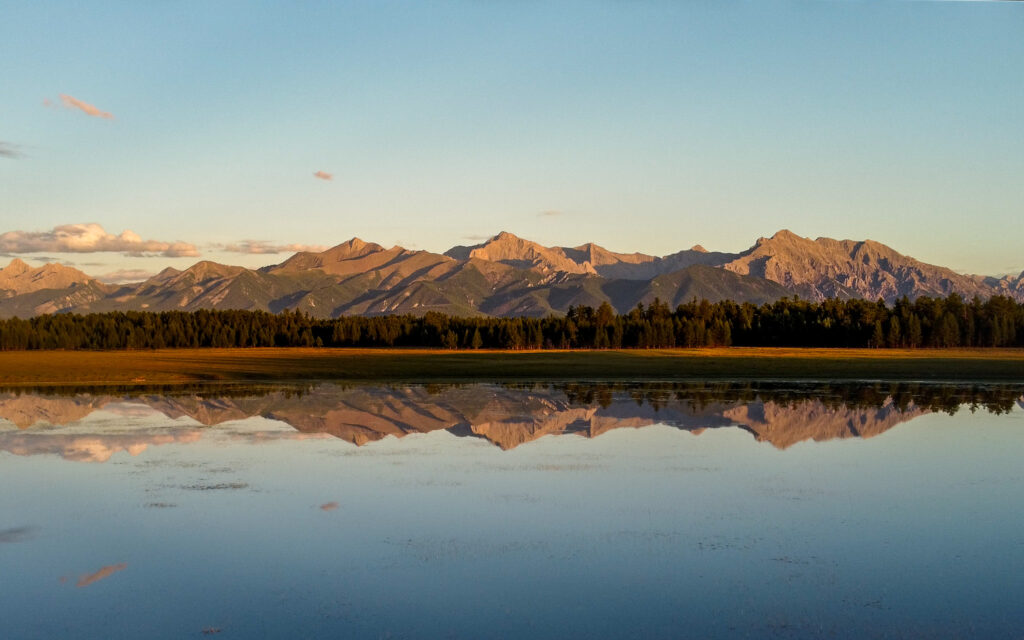
While the Gobi is broadly excellent for night skies, a few areas stand out for independent travelers because they combine darkness, access, and strong visual interest for astrophotography.
Khongoryn Els (Singing Sand Dunes)
Best For: dramatic landscapes and iconic Gobi Astrophotography
콩고린 엘스 is one of the most reliable places in the Gobi for stargazing, largely because the dunes themselves block any remaining light from nearby ger camps. Once the sun goes down, the desert here becomes profoundly dark, especially if you walk even a short distance away from camp lighting.
From the dunes, the horizon stays clean and open, which makes this an ideal location for viewing the Milky Way arching across the sky.
On moonless nights, it’s visible to the naked eye in a way that surprises even experienced travelers. For photographers, the dunes also provide simple but effective foregrounds that don’t compete with the sky.
Yolyn Am (Vulture Valley)
Best For: Long-exposure Gobi astrophotography, Framing stars between canyon walls, Cold-weather clarity (spring and fall nights here are crisp)
욜린 암 is better known for its narrow gorge and lingering ice, but it’s an underrated stargazing location when conditions are right. The surrounding cliffs shield the valley from wind and stray light, creating stable conditions for longer exposures.
Nights here tend to be colder than elsewhere in the Gobi, which actually helps with clarity. If you’re traveling in spring or early fall, Yolyn Am can deliver some of the sharpest skies of your trip, especially for photographing constellations and dense star fields.
불타는 절벽(바얀자그)
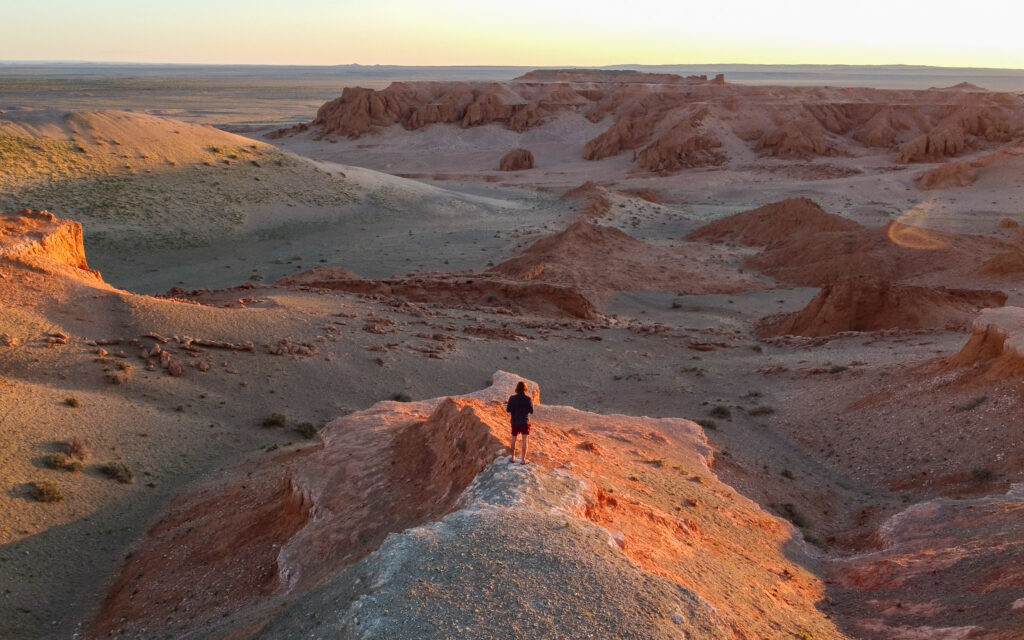
Best For: Natural foregrounds for Milky Way shots, Flat terrain for tripods, Easy access from main Gobi routes
그리고 불타는 절벽 are one of the few places in the Gobi where the foreground can rival the sky. After dark, the eroded red sandstone formations turn into dramatic silhouettes that work beautifully in wide-angle astrophotography.
This is an especially strong location for photographing the Milky Way once the galactic core rises higher in the sky. The terrain is flat and easy to navigate at night, which makes it practical for setting up tripods and adjusting compositions without scrambling around in the dark.
The Spaces Between the Highlights
Some of the best dark sky shots in Mongolia don’t happen at famous landmarks at all. They happen when you pull off the track between destinations, shut off your headlights, and realize there is absolutely nothing glowing in any direction. In places where you seek out a lack of civilization.
This is where 몽골 셀프 드라이브 travel shines. If you’re traveling independently, you can stop when the sky is clear instead of pushing on to the next camp. If you can’t see another light source once your vehicle is off, you’re in prime stargazing territory.
When to Plan Your Trip for the Best Night Skies
You don’t need perfect timing, but a little planning goes a long way.
Best Months for Stargazing
- May–September: Warm nights, reliable access, Milky Way visibility
- June–August: Peak season for clear skies and galactic core viewing
- 9월: Fewer travelers, darker skies, cooler temps
Moon Phases
For serious stargazing or astrophotography, plan around the new moon. Even a half-moon can wash out detail in dark skies.
Use offline astronomy apps (like PhotoPills or Stellarium) before your trip — cell service in the Gobi is limited at best.
Gear You’ll Actually Use
You don’t need specialized equipment to enjoy the stars, but the right basics make the experience far more comfortable.
Stargazing Essentials
- Headlamp with a red-light mode to preserve night vision
- Warm, insulated jacket for cold desert nights
- Ground mat or folding chair for extended viewing
- A Thermos to hold a hot drink
Astrophotography Gear
- DSLR or mirrorless camera with full manual controls
- Wide-angle lens in the 14–24mm range
- Fast aperture (f/2.8 or faster is ideal)
- Solid tripod that can handle wind
- Extra batteries stored somewhere warm
Optional Add-Ons
- Star tracker for longer exposures
- Hand warmers or lens heater to prevent condensation
- GPS unit or offline navigation app
Large telescopes and heavy mounts don’t make sense for most self-drive travelers. The Gobi’s skies are dark enough that simplicity works.
Camera Settings: A Practical Starting Point
If you’re new to astrophotography, start simple. Manual mode, wide aperture, and moderate ISO will get you most of the way there.
There’s no one-size-fits-all setup, but these baseline settings work well for astrophotography in the Gobi:
- Mode: Manual
- Aperture: f/2.8 (or widest available)
- ISO: 1600–3200
- Shutter: 15–20 seconds (avoid star trails)
- Focus: Manual, set to infinity (fine-tune using live view)
Shoot in RAW. You’ll thank yourself later.
And don’t overshoot. Spend time looking up without the camera. The Gobi night sky is worth experiencing directly.
Night Safety for Independent Travelers
Stargazing itself is safe, but night travel in the Gobi requires caution. Livestock roam freely, and visibility drops fast once the sun is down. It’s best to finish your driving before dark and settle in for the evening.
Park well off main tracks, keep your fuel tank topped up, and avoid unnecessary night driving. A reliable vehicle from AVIS Mongolia or a structured self-drive tour gives you the flexibility to choose safe, quiet spots without pushing your limits.
Why Self-Drive Travel Makes Stargazing Better
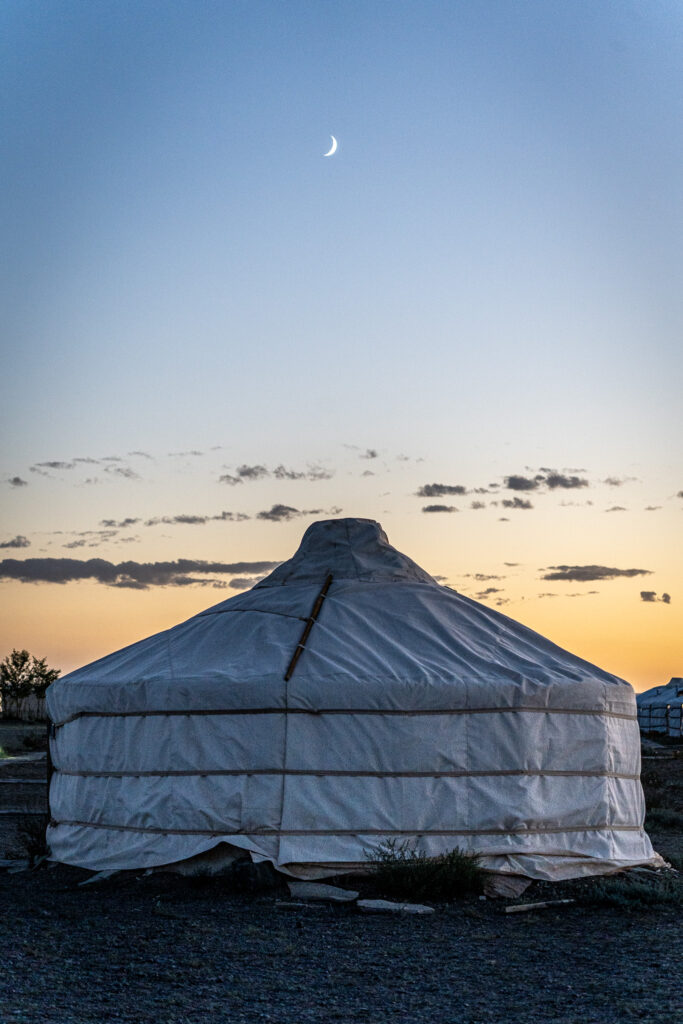
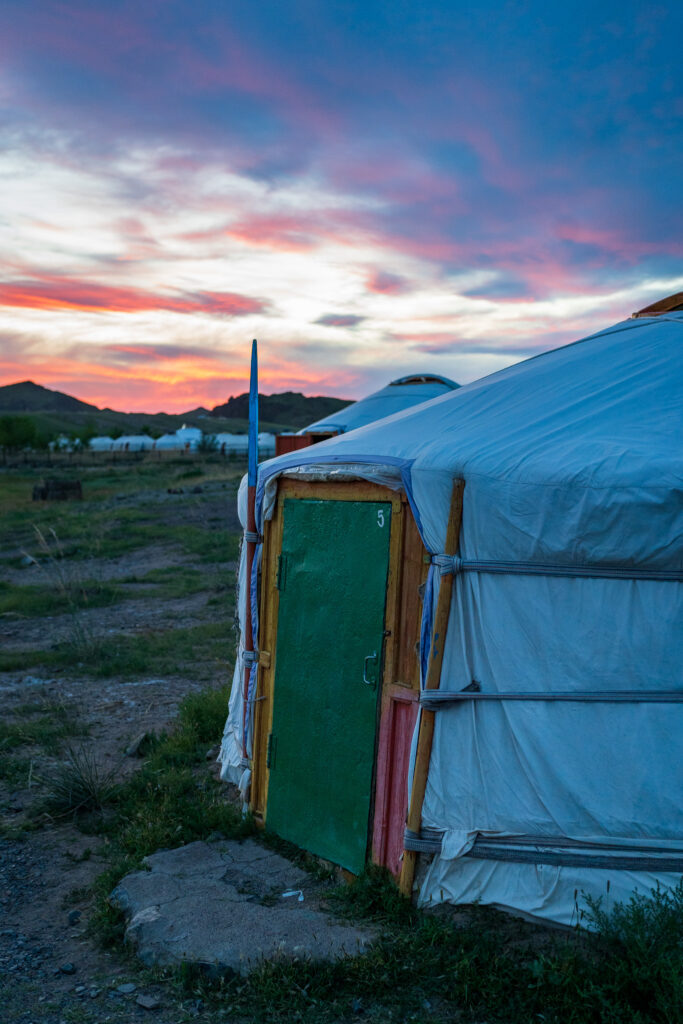
Group tours tend to compress evenings into fixed schedules. Dinner, campfire, lights out. Stargazing becomes an afterthought.
Mongolia independent travel changes that entirely. You can wait out clouds, adjust plans for moon cycles, and stay out as long as the sky holds. You’re not competing with headlamps, camp generators, or someone else’s bedtime.
That freedom is what turns Gobi stargazing from a nice extra into a defining part of your trip.
Mongolia’s Night Skies Are Some of the Best in the World
The Gobi doesn’t need flowery language to sell itself. Its night skies are clear, practical, and profoundly dark.
If you’re planning an independent journey through southern Mongolia, treat the nights as seriously as the driving days. Know where to stop, pack smart gear, watch the moon, and give yourself permission to slow down after sunset.
The land will be memorable. But the night sky in Mongolia is what you’ll still be thinking about long after you get home.
 Korean
  English
  German
  Arabic
  Spanish
  Italian
  French
  Dutch
Dutch  Polish
  Russian
  Chinese