


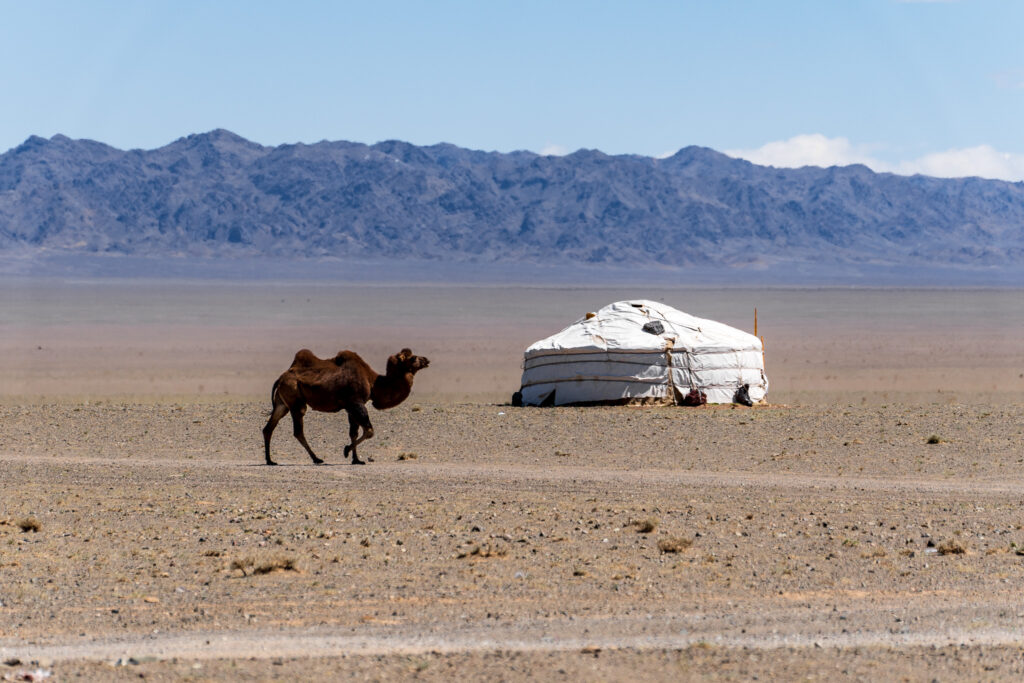
If there’s one experience that captures the soul of a Mongolian road trip, it’s crossing the vast Gobi Desert and meeting the families who call it home. The Gobi isn’t empty after all. Gobi Nomad culture is alive and well. It’s alive with stories, centuries-old traditions, and people who still live closely tied to the rhythms of the land. The nomads. For travelers embarking on a self-drive Mongolia adventure Gobi trip, these encounters are often the most powerful and memorable of the journey.
Here’s how to understand, appreciate, and respectfully experience nomadic life in Mongolia’s Gobi Desert.
The Nomads of the Gobi: Guardians of a Harsh and Beautiful Land
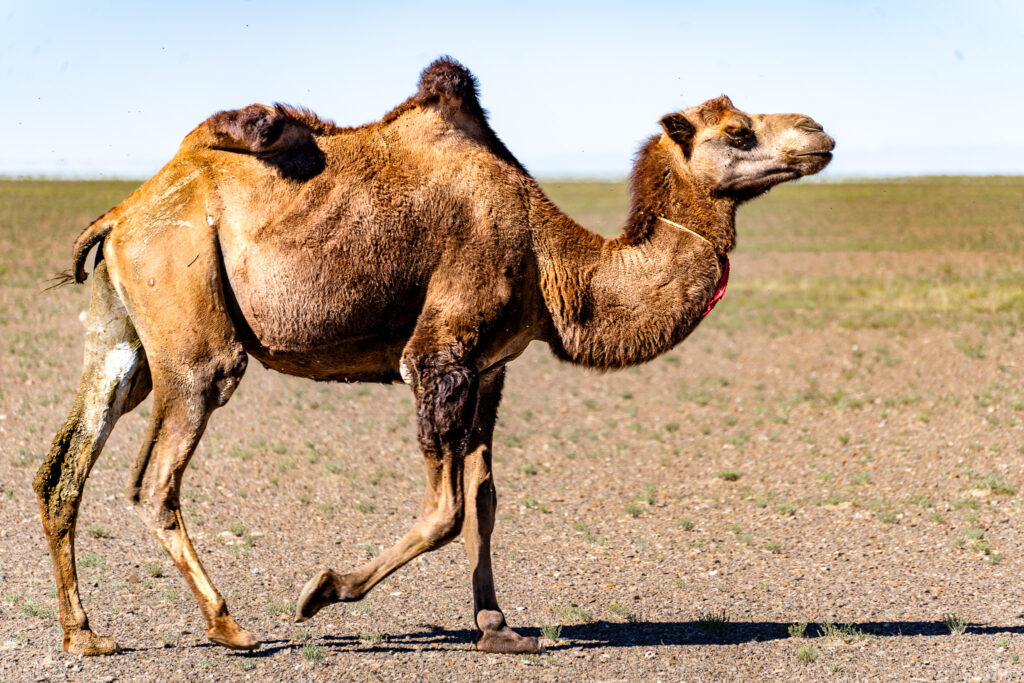
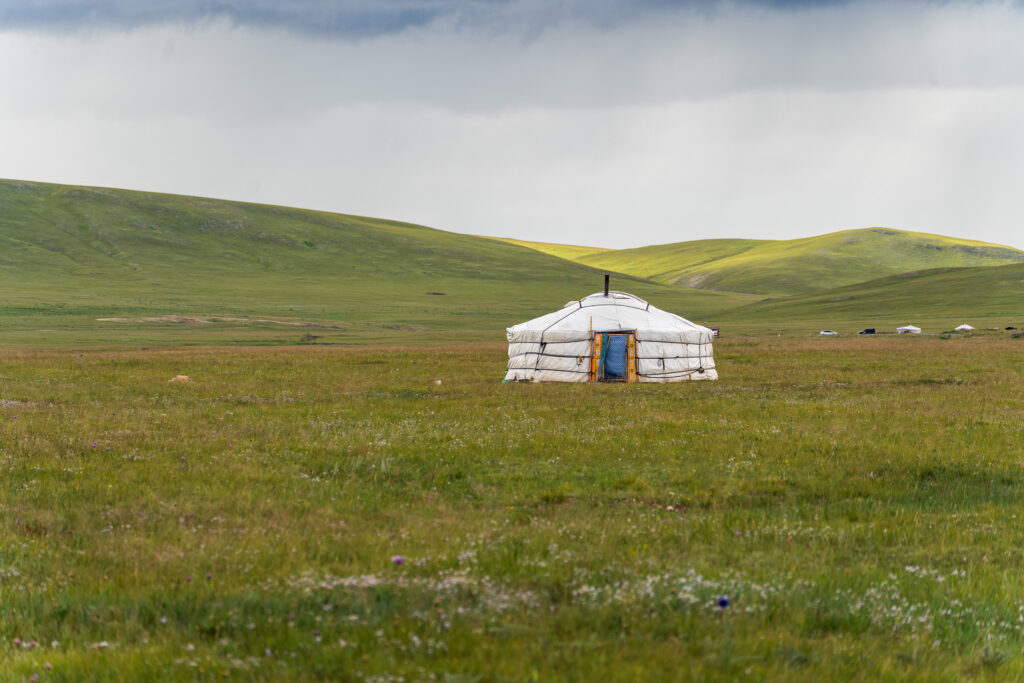
In a region where rain rarely falls, and horizons stretch endlessly, the Gobi nomads have learned the art of resilience. Most families here still live in gers (yurts)—portable, felt-lined homes that have sheltered Mongolians for millennia. Their lives revolve around their herds of camels, goats, and sheep, which provide everything from milk and meat to clothing and trade income.
Unlike the herders in northern Mongolia who rely on reindeer, Gobi nomads are desert specialists. They move several times a year in search of fresh pasture and water sources, guided by ancestral knowledge of the terrain.
When you drive through the Gobi on a self-drive Mongolia tour, you may spot gers scattered across the plains, camels grazing nearby, and smoke rising from small stoves inside. What looks like isolation is, in reality, an intricate network of families connected through kinship, hospitality, and community.
Hospitality as a Way of Life
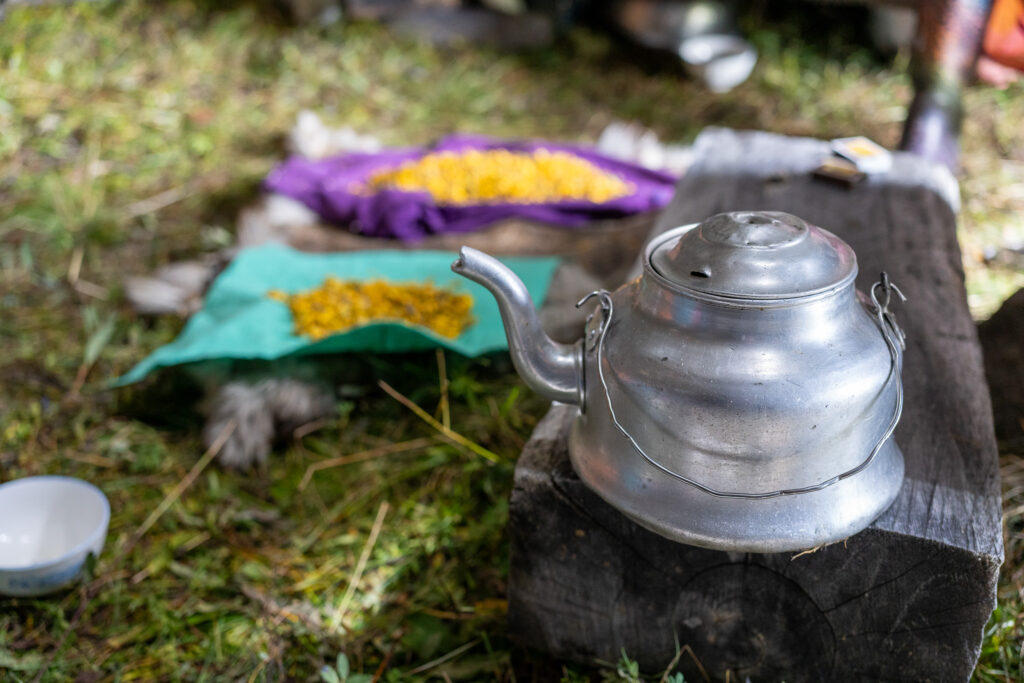
Hospitality isn’t just kindness in Mongolia—it’s a moral code. Travelers are welcomed not as strangers, but as honored guests. Step inside a ger and you’ll be offered salted milk tea (suutei tsai) or a bowl of fermented mare’s milk (airag) before any questions are asked.
For those visiting on a Gobi Mongolia self-drive excursion, these encounters often happen spontaneously. Families wave you over, curious about your journey and vehicle, and eager to share stories. This openness is one of the defining features of nomadic life in Mongolia, but it’s important to approach it with awareness and respect.
When visiting a family:
- Accept offerings graciously—even if you don’t plan to drink everything. But do try to drink everything.
- Move clockwise inside the ger and never touch the stove or its utensils.
- Ask before taking photos—a simple gesture that shows respect.
- Offer small gifts (tea, fruit, or sweets) as tokens of gratitude.
These simple courtesies can turn a short visit into a genuine connection.
What Shapes Nomadic Life in the Gobi
Life in the Gobi isn’t easy, but it’s profoundly balanced. Nomads live by seasonal cycles—moving camps to access water, avoid sandstorms, and keep their animals healthy. Camels, especially the two-humped Bactrian camel, are central to desert life. They’re valued for endurance, milk, wool, and even companionship.
The Mongolian car rental routes through the Gobi often take you near herding regions around Dalanzadgad, Bayanzag, and the Khongoryn Els dunes. In these places, travelers can observe daily life like milking camels, collecting dung for fuel, or crafting felt from sheep’s wool.
Each season brings new tasks:
- Spring: birthing animals and preparing for migrations.
- Summer: milking, making dairy products, and gathering for local festivals.
- Autumn: preparing meat and felt for winter storage.
- Winter: surviving the cold through cooperation and careful rationing.
Witnessing this rhythm firsthand during your Mongolia self-drive adventure helps you understand not just how nomads live but why they continue to live this nomadic lifestyle.
Festivals and Cultural Traditions
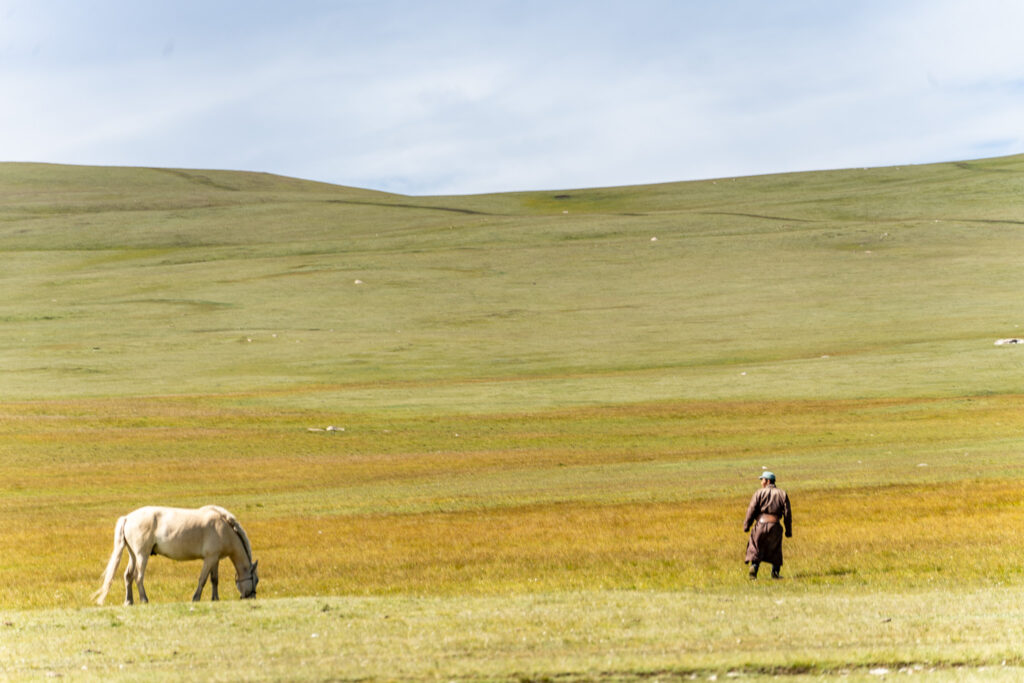
The Gobi may be remote, but its festivals are full of life. In places like Dalanzadgad and Bulgan, herders gather for Naadam celebrations each July, showcasing Mongolia’s “three manly sports”: wrestling, archery, and horse racing.
Smaller local events like camel races, musical performances, and summer gatherings can also offer travelers a glimpse into how nomadic culture in Mongolia remains vibrant and evolving. But these events are more difficult to time your visit for, as they often are only known to the nomads themselves.
During your road trip in Mongolia itinerary, timing your visit to coincide with Naadam or the Golden Eagle Festival (if you’re heading further west) can deepen your appreciation for how tradition and modern life intertwine across the steppe.
Staying with Nomadic Families in the Gobi
For travelers who want to go beyond sightseeing, staying with nomadic families is one of the most rewarding parts of a self-drive Mongolia tour.
Across the Gobi, some families have opened their homes—or built small guest gers—for visitors. These stays give travelers the rare chance to participate in everyday tasks: helping herd goats, making cheese, or collecting water from a nearby well.
A few tips for meaningful cultural tourism in the Gobi:
- Go with a responsible operator or connect through local cooperatives that ensure families are compensated fairly.
- Avoid unannounced visits—coordinate ahead when possible. While they will welcome you in, it’s better to prearrange.
- Share meals and stories; language barriers fade quickly when there’s laughter and tea involved.
- Respect privacy—gers are intimate spaces, and consent is key when photographing people or their homes.
Such experiences can bring a deeper layer to your Mongolia adventure beyond the landscapes and into the heart of what makes this country extraordinary.
The Role of the Self-Drive Traveler
Unlike guided tours, a self-drive Mongolia road trip offers true independence. You choose your pace, your path, and your encounters. This freedom also comes with responsibility—to tread lightly, respect communities, and travel mindfully.
In regions like the Gobi, infrastructure is minimal. Travelers rely on Mongolia car rental services (like Avis Mongolia) that provide rugged 4x4s, satellite maps, and route advice for safe off-road travel.
Driving through the Gobi means navigating endless dirt tracks and crossing wild terrain, and meeting locals on your own terms. That independence creates the perfect opportunity for authentic cultural tourism by visiting families, supporting small businesses, and learning directly from those who live in harmony with this vast landscape.
Why Nomadic Life Matters
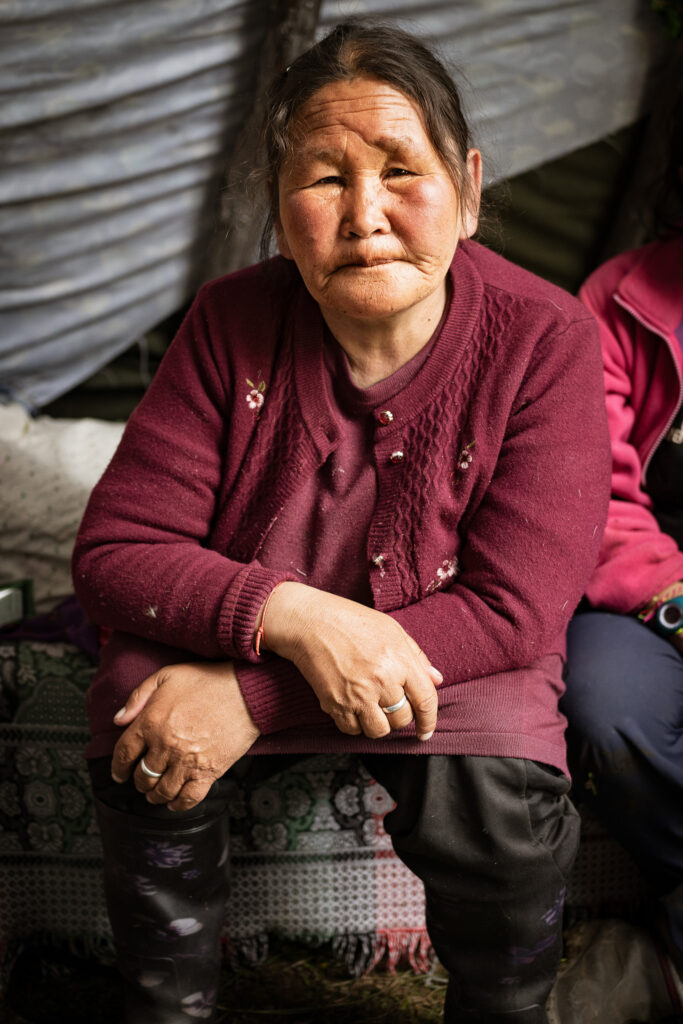
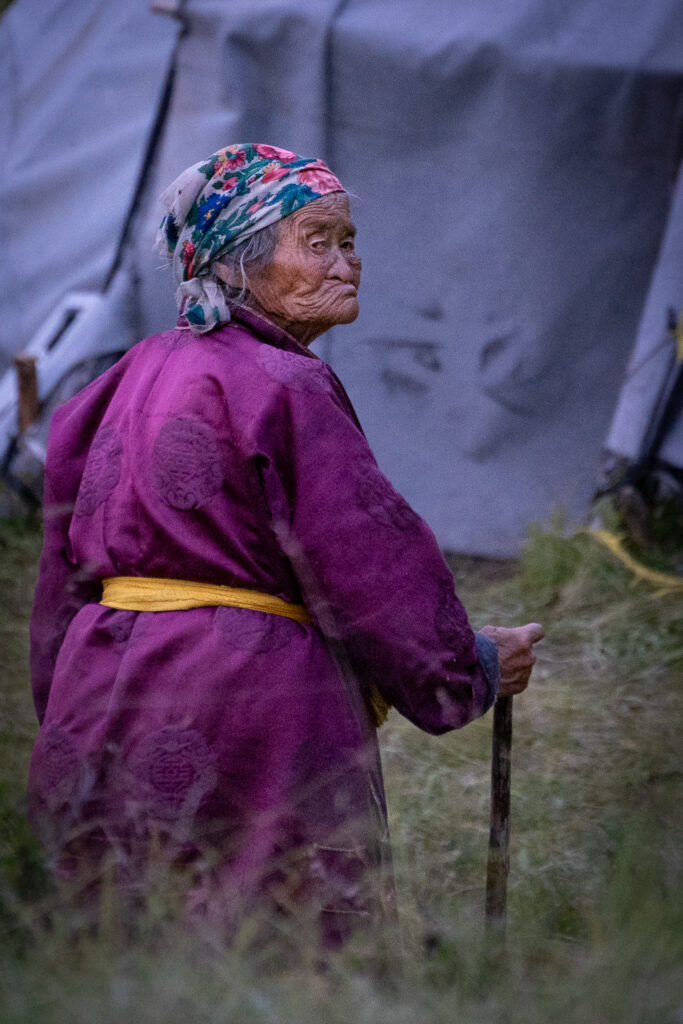
The nomads of the Gobi are more than cultural icons—they’re stewards of Mongolia’s environment and heritage. Their traditional knowledge preserves fragile ecosystems, manages grazing sustainably, and keeps ancient customs alive in a rapidly changing world.
Yet, modern pressures are mounting. Climate change, desertification, and urban migration all threaten the continuity of nomadic life in Mongolia. By engaging thoughtfully through cultural tourism in the Gobi, travelers play a small part in keeping these traditions alive. Hopefully, ensuring that the next generation has reason to stay connected to the land.
Planning Your Own Gobi Cultural Adventure
For travelers inspired to meet the nomads and see the Gobi Desert up close, a self-drive Mongolia route offers the ultimate flexibility. You can combine iconic landmarks like the Flaming Cliffs (Bayanzag) and Khongoryn Els dunes with authentic nomadic experiences in smaller communities between Dalanzadgad, Sevrei, and Bulgan.
Before setting out, make sure to:
- Rent a reliable 4×4 from a trusted provider (Avis Mongolia is ideal for self-drive setups).
- Carry cash, as most rural areas don’t have ATMs.
- Learn a few Mongolian phrases—even simple greetings go a long way.
- Download offline maps and have a backup navigation plan.
Above all, travel with an open heart. Every road, every ger, and every shared cup of tea adds a new thread to the story of your Mongolia adventure.
Experience the Heart of Mongolia: Its Nomads
The nomads of the Gobi are the heartbeat of Mongolia, proof that tradition can thrive in even the harshest landscapes. A self-drive Mongolia road trip gives you front-row access to their world: the songs, stories, and simple acts of generosity that define what it means to live freely.
In a place where time moves slowly, and hospitality runs deep, you’ll find not only adventure but connection—the kind that lingers long after the dust of the Gobi settles.
 English
  German
  Arabic
  Spanish
  Italian
  Korean
  French
  Dutch
Dutch  Polish
  Russian
  Chinese