


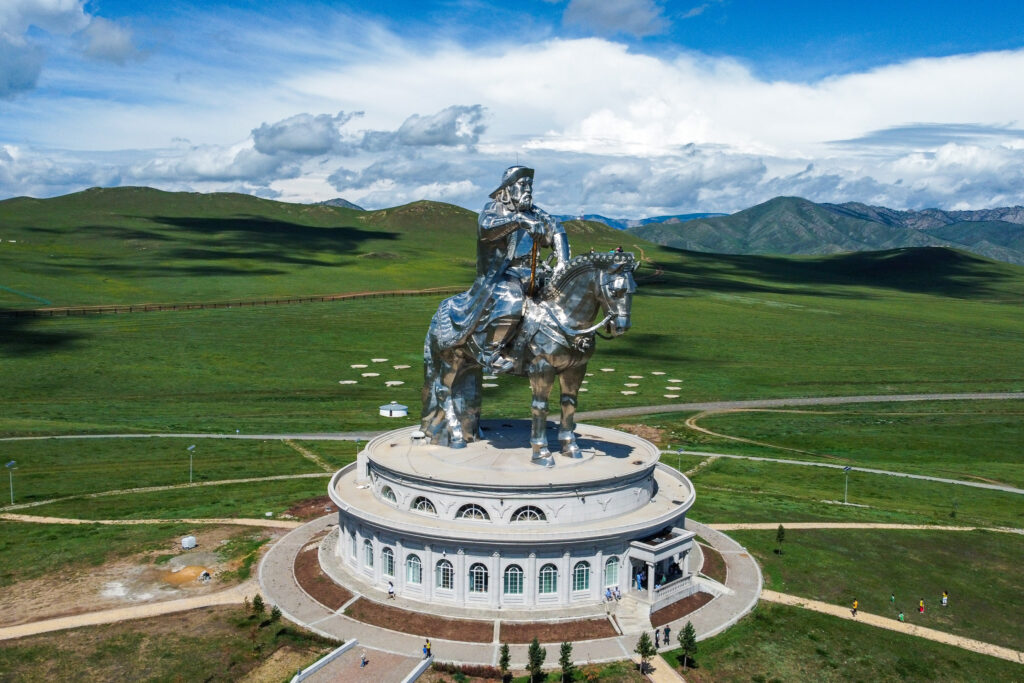
Большинство путешественников приземляются в Улан-Баторе, проводят ночь или две в городе, а затем направляют свои колеса на юг, в Гоби. Это невероятный маршрут, но он пропускает одно из самых значимых путешествий Монголии. Поездка на запад от Улан-Батора до Хархорина (Маршрут Монгольской империи) проходит через физическое и политическое сердце Монгольской империи, следуя по ландшафтам, которые сформировали Чингисхана задолго до того, как он изменил мир.
Это не одна историческая дорога, по которой можно пройти милю за милей. Это коридор - широкое, открытое пространство степей, речных долин и горных предгорий, где создавались союзы, побеждались враги и создавалась империя. Для путешественников, интересующихся историей, этот путь из Улан-Батора в Хархорин - один из самых интересных в стране, особенно если вы готовы сбавить скорость и сделать несколько крюков.
С Аренда AVIS Монголия, вы можете превратить это в настоящую историческую автопутешествие по МонголииВ ней вы найдете места, связанные непосредственно с Чингисханом и ранним периодом становления Монгольской империи, не спеша переходя от памятника к памятнику.
Почему маршрут Монгольской империи имеет историческое значение
До того как Монгольская империя раскинулась от Тихого океана до Восточной Европы, она была основана именно здесь. Центральная Монголия была не только фоном для возвышения Чингисхана, но и полигоном.
Долины к западу от современного Улан-Батора способствовали жизни кочевников, сезонным миграциям и ранним политическим собраниям. Это были земли, оспариваемые соперничающими племенами задолго до объединения, и они стали логистическим ядром империи, как только Чингис укрепил власть. Хархорин, впоследствии ставший имперской столицей, расположен на западной окраине этого центрального района не случайно: это доступ к торговым путям, пастбищам и контроль над центральными коридорами передвижения.
Проехать по этому маршруту - не значит посетить знаменитые места. Речь идет о том, чтобы понять, как география формировала власть и почему монголы преуспели там, где другие потерпели неудачу.
Планирование поездки: Что ожидать на пути Монгольской империи
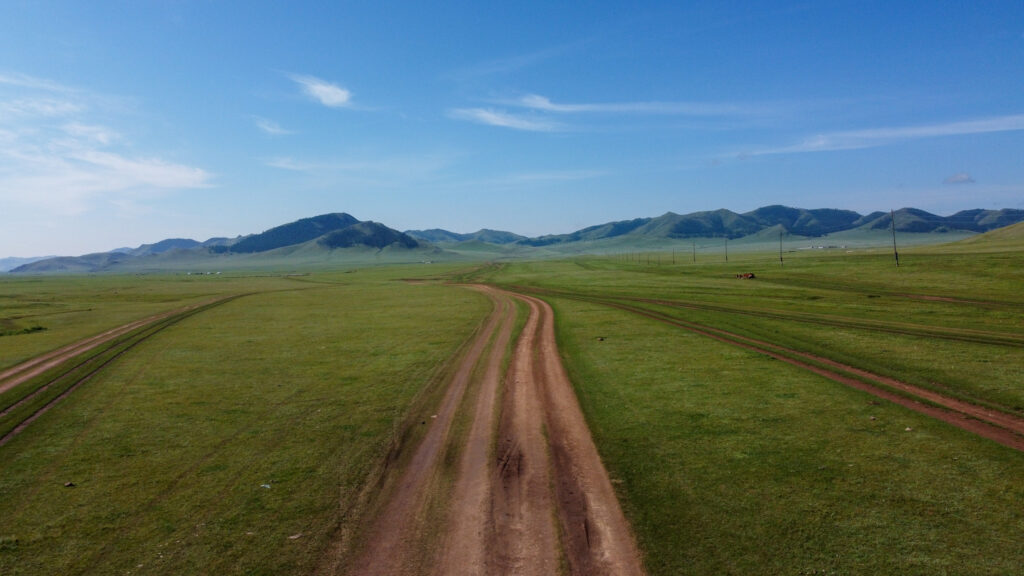
Прямой путь от Улан-Батора до Хархорина составляет примерно 370 километров, в зависимости от маршрута и объездов. По асфальтированным дорогам это можно сделать за один день, но это не имеет значения. Чтобы по-настоящему оценить маршрут Монгольской империи, планируйте не менее трех-пяти дней.
Состояние дорог различно. Основное шоссе на запад в основном асфальтировано, но объезды исторических мест и сельской местности часто связаны с гравийными или грунтовыми дорогами. Автомобиль с высоким клиренсом необходим, особенно если вы путешествуете самостоятельно. Именно в этом случае аренда через AVIS Mongolia имеет большое значение: у вас будет автомобиль, подходящий для реальной Монголии, а не только для ее карты.
Топливо и припасы доступны в крупных городах, но за их пределами очень ограничены. Планируйте консервативно и никогда не сдавайте топливо, если у вас меньше половины бака.
Остановка 1: Оставив позади Улан-Батор
Сам Улан-Батор не занимает центрального места в ранней жизни Чингисхана - его еще не существовало, но он все равно является важной отправной точкой. Музеи, подобные Национальному музею Чингисхана, дают ценную информацию перед поездкой, особенно если вы хотите получить более четкое представление о политическом ландшафте Монголии XII века.
Как только вы покидаете город, переход происходит мгновенно. Многоквартирные дома уступают место открытой степи, кварталы гэров редеют, а горизонт расширяется. Эта внезапная открытость отражает переход от современной Монголии к миру, который сформировал Чингис Хаан. Это была земля, где мобильность, союзы и выживание зависели от правильного понимания ландшафта.
Остановка 2: Национальный парк Хустай и степной мир
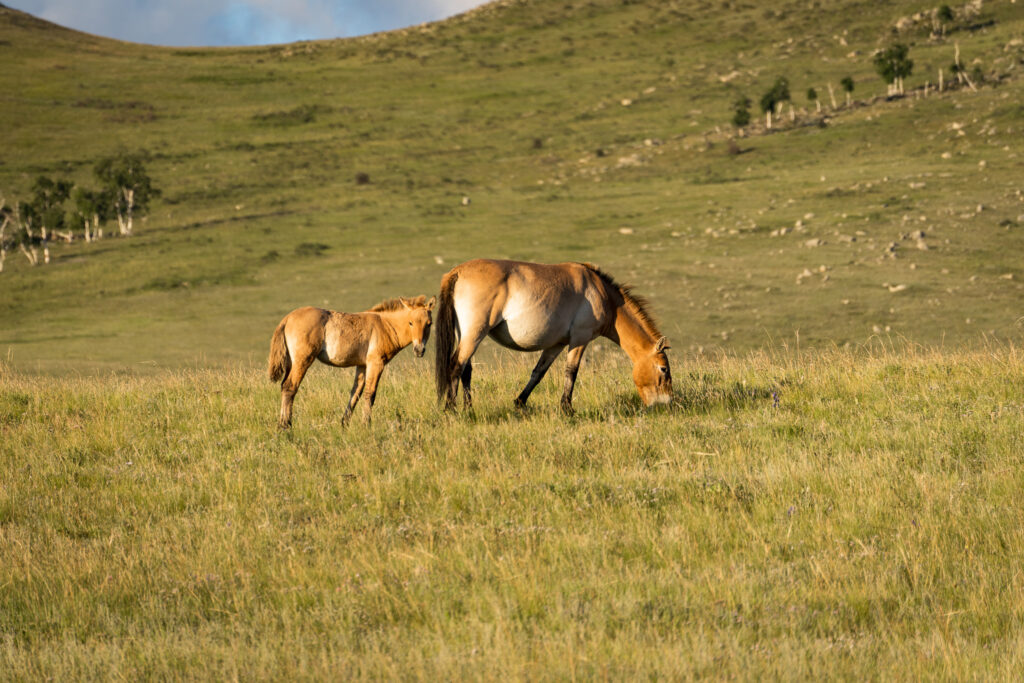
Хотя сегодня национальный парк Хустай наиболее известен благодаря реинтродуцированным лошадям Пржевальского, он также является представителем той среды, которая определяла жизнь ранних монголов. Перекатистые луга, сезонные источники воды и широкая видимость делали этот регион идеальным для скотоводства и ведения войны.
Это хорошее место, чтобы сделать паузу и перестроить свой темп. Пройдитесь по земле. Посмотрите на расстояния. Сразу становится понятно, почему так важна была мобильность конных войск и почему стационарные города были вторичны по отношению к передвижению и контролю. Вы можете почти увидеть битвы, которые здесь происходили. Вы определенно понимаете, почему лошади были так важны для Монгольской империи.
Хотя Хустай не связан с конкретным событием в жизни Чингисхана, он помогает понять контекст кочевой базы, на которой возникла Монгольская империя.
Остановка 3: Орхонская долина - ядро империи
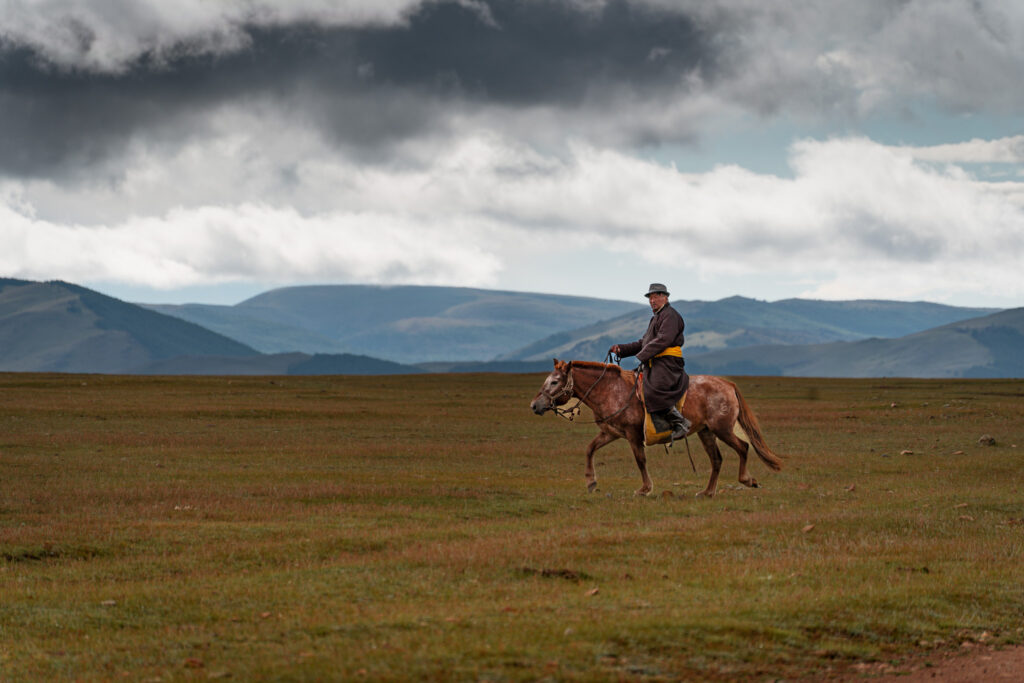
По мере продвижения на запад центральным пунктом путешествия становится долина Орхон. Этот регион, внесенный в список ЮНЕСКО, был священным задолго до монголов и оставался политически центральным на протяжении всего их правления.
Река Орхон обеспечивала надежную воду, плодородные пастбища и естественное место сбора. Советы племен, сезонные лагеря, а позднее и имперская администрация - все они опирались на эту долину. Для путешественников, прослеживающих ЧингисханЭто так близко, как только можно приблизиться к первоначальному сердцебиению империи.
Разбив лагерь у реки или остановившись в близлежащем лагере геров, вы сможете увидеть пейзаж таким, каким он был задуман - спокойным, обширным и ориентированным на землю, а не на построенные сооружения.
Остановка 4: Хархорин (Каракорум)
Хархорин был основан не самим Чингисханом, а его сыном Эгедеем, который следовал представлениям отца о централизованной империи. Это различие имеет значение. Чингис объединил монголов с помощью движения и военной организации; Хархорин представляет собой момент, когда империя стала административно реальной.
Чтобы увидеть Хархорин таким, каким он был сегодня, необходимо воображение. Город был многократно разрушен и восстановлен, и многое из того, что осталось, лежит под землей. Тем не менее, его местоположение говорит само за себя. Отсюда империя могла управлять торговыми путями, дипломатическими миссиями и военными кампаниями, простирающимися через континенты.
Неподалеку находится монастырь Эрдэнэ Зуу, построенный несколько веков спустя, в котором использованы камни из старой столицы, физически связывающие буддийскую эпоху Монголии с ее имперским прошлым.
Для путешественников Хархорин - идеальный промежуточный пункт, а не конечная точка. Это место, где можно сделать паузу, поразмыслить, а затем отправиться к менее известным, но очень важным местам.
Экскурсия: Эрмитаж Тувхун и предгорья Хангая
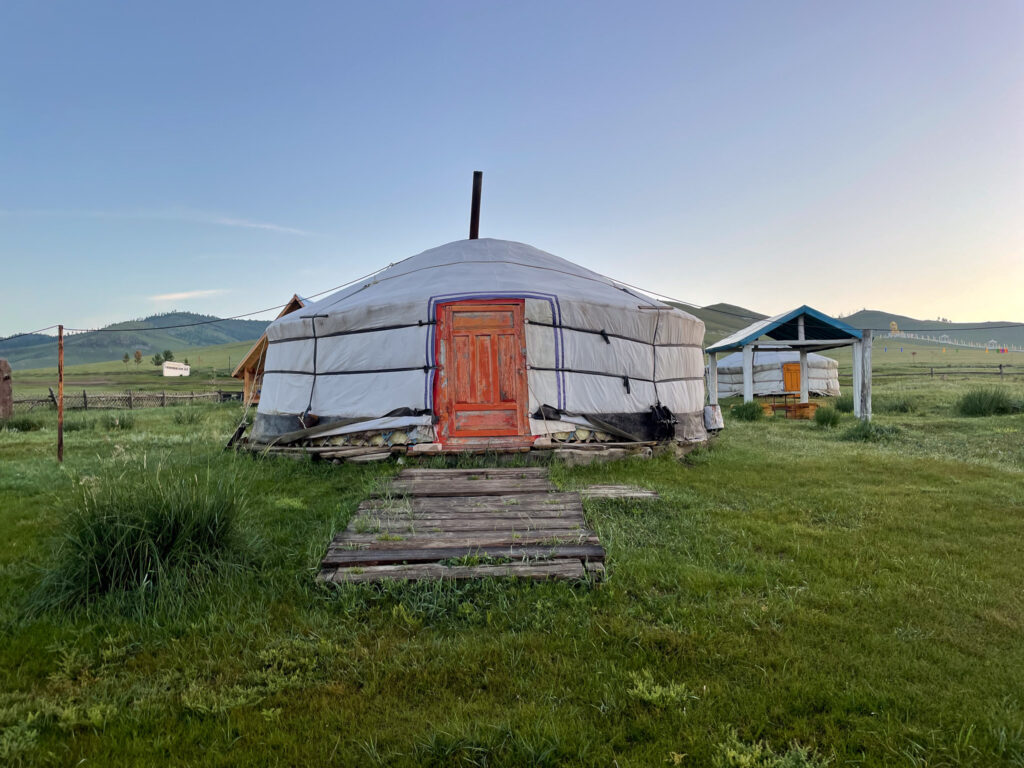
К югу от Хархорина, у подножия Хангайских гор, меняется рельеф местности и перспективы. В то время как Эрмитаж Тувхун более тесно связан с поздней буддийской историей, окружающий регион был частью более широкого имперского центра.
Подъем к скиту дает возможность подняться на высоту и в буквальном смысле слова обозреть окрестности. Сверху масштаб степи становится неоспоримым. Именно здесь стратегический гений монголов приобретает смысл - не как мифология, а как география.
Объезд: Хушуу Цайдам и тюркское наследие
Дальше на север в долине Орхона находится Хушуу Цайдам, где расположены древние тюркские памятники, возникшие еще до Монгольской империи. Эти места напоминают путешественникам, что Чингисхан возник не на пустом месте. Он унаследовал и преобразовал существующие политические и культурные традиции управления степью.
Включение этой остановки углубляет впечатления от исторического автопутешествия по Монголии, показывая, как развивалась власть задолго до и после Монгольской империи.
Вождение по следам Чингисхана (Практически говоря)
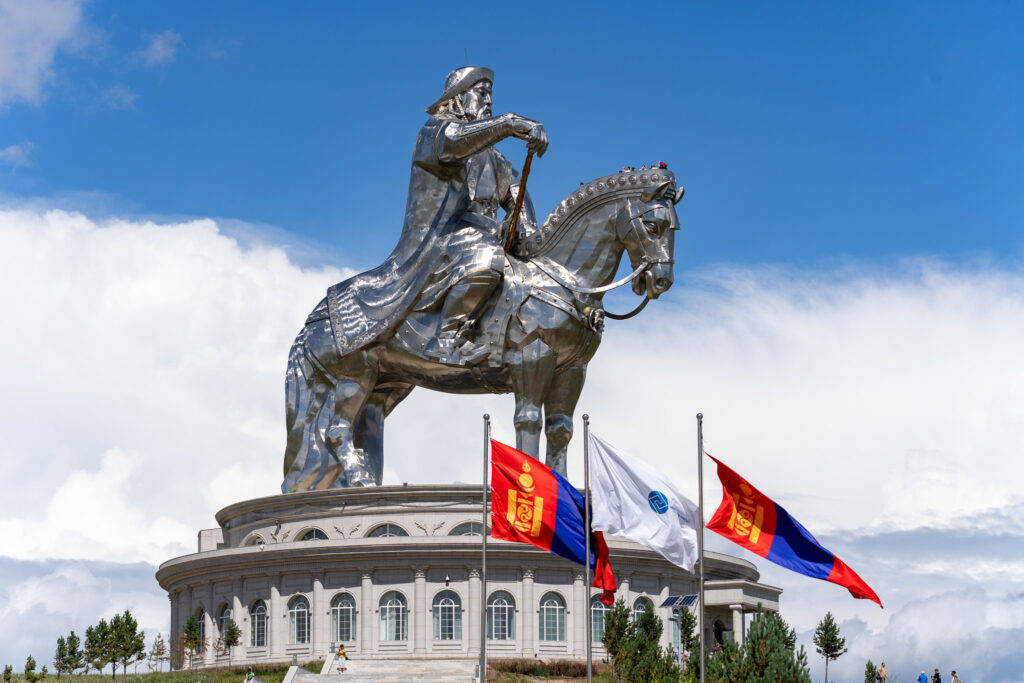
Проехать по этому маршруту несложно, но он требует подготовки. Навигация часто зависит от ориентиров, а не от указателей, а погода может быстро изменить условия. Офлайн-карты необходимы. Как и гибкость.
Оставьте себе дополнительное время. Некоторые из самых значимых моментов случаются, когда вы останавливаетесь просто потому, что земля кажется подходящей, а не потому, что вам подсказывает булавка на карте.
Почему маршрут по Монгольской империи привлекает любителей истории
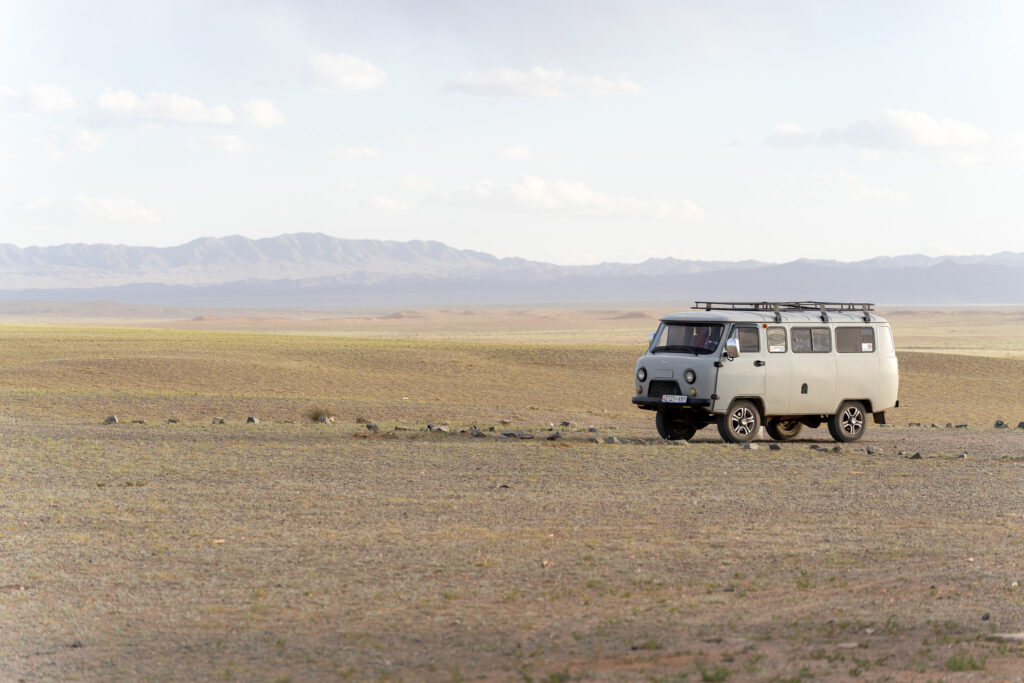
Это путешествие не ради воссоздания или ностальгии. Речь идет о контексте.
Проехав по маршруту Монгольской империи на автомобиле, вы получите такое физическое представление о масштабах, логистике и передвижении, которое не сможет повторить ни один музей. Расстояния, которые сегодня кажутся большими, когда-то были стратегическими преимуществами. Открытые земли, которые сейчас кажутся пустыми, когда-то были густо заселены.
Для путешественников, которые любят историю, но не хотят придерживаться жесткого маршрута, этот маршрут предлагает нечто редкое: свободу познания, перемещаясь по самой земле.
Планируйте автомобильное путешествие по истории
Существует множество причин, чтобы отправиться в путешествие по Монголии. Прогулка по стопам Чингисхана - лишь одна из многих. Следуя по этому маршрутуНа длинных отрезках пути нет ничего, кроме травы, неба и редких стад на горизонте. Но именно в этом и заключается смысл.
С Аренда AVIS Монголия и готовность замедлиться, это Поездка из Улан-Батора в Хархорин становится чем-то большим, чем просто переезд между пунктами назначения. Это одна из самых интеллектуально насыщенных автомобильных поездок в стране, которая останется с вами надолго после того, как осядет пыль.
 Russian
  English
  German
  Arabic
  Spanish
  Italian
  Korean
  French
  Dutch
Dutch  Polish
  Chinese