


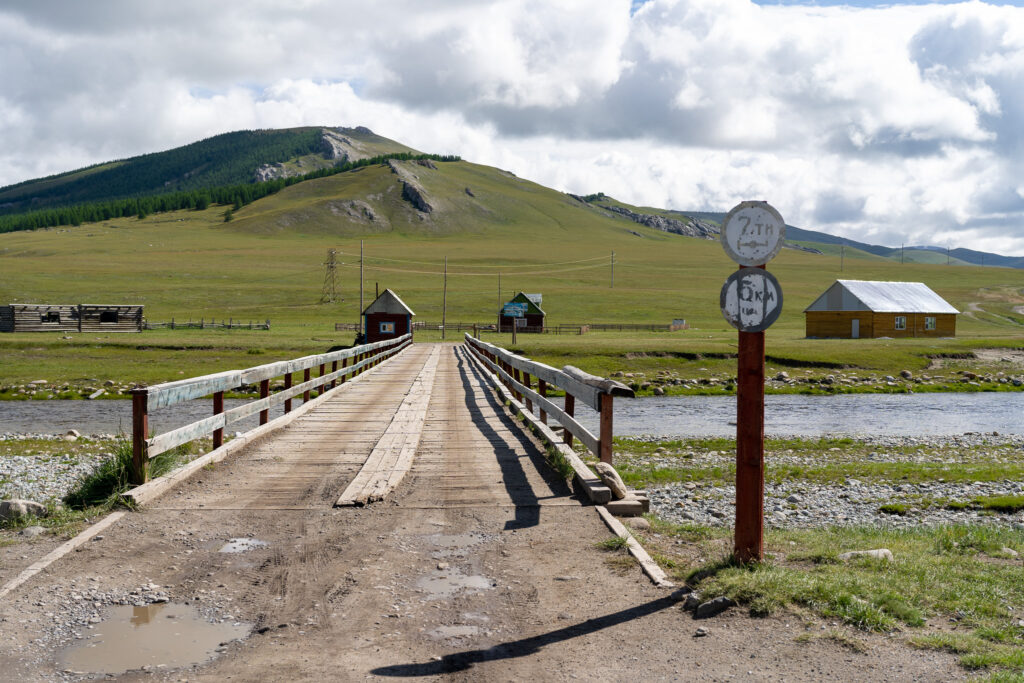
Driving into the Gobi for the first time can feel a little overwhelming. Once the pavement fades and the land opens up, you’re very aware that you’re traveling independently without guardrails, without services every few miles, and without much margin for error. For many travelers, that’s exactly the appeal. Fortunately, we have all the Self-Drive Gobi tips you need.
A self-drive trip through the Gobi isn’t about ticking off sights as fast as possible. It’s about enjoying one of the last remote destinations on earth. You choose when to stop, where to camp, and how long to linger. With the right vehicle, the right preparation, and a realistic understanding of conditions, a 1–3 week Gobi road trip is not only manageable—it’s one of the most rewarding ways to experience Mongolia.
This guide is written for travelers renting a vehicle through أفيس منغوليا who want to feel confident heading south into the desert. It covers what kind of vehicle you actually need, what gear matters (and what doesn’t), when to go, how to think about route planning, and how to stay safe without overcomplicating the experience.
Why the Gobi Is Ideal for a Self-Drive Adventure
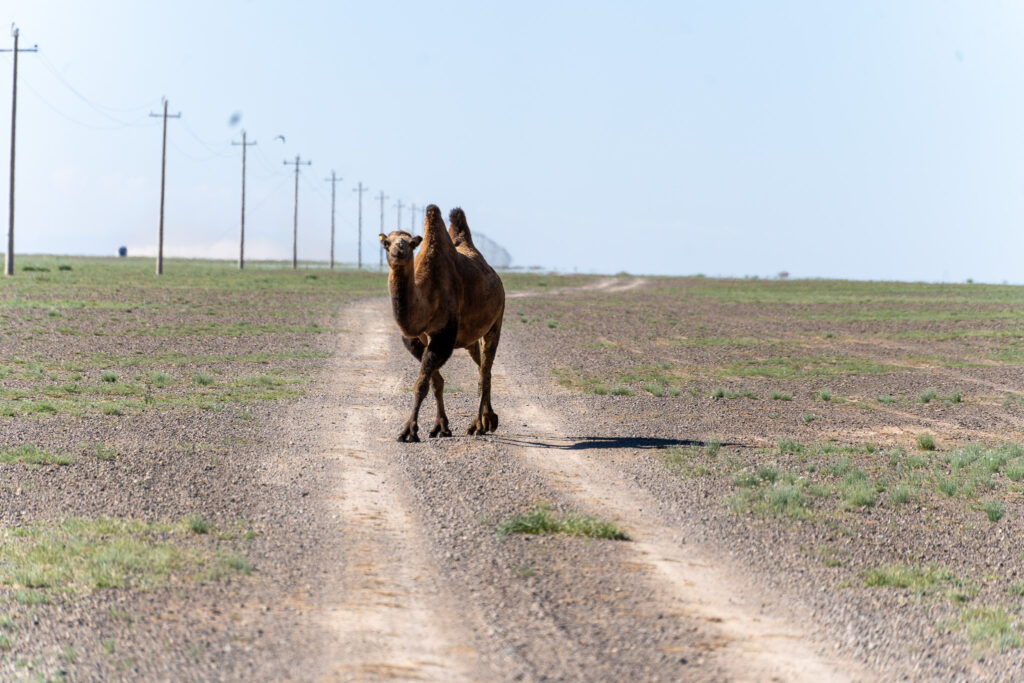
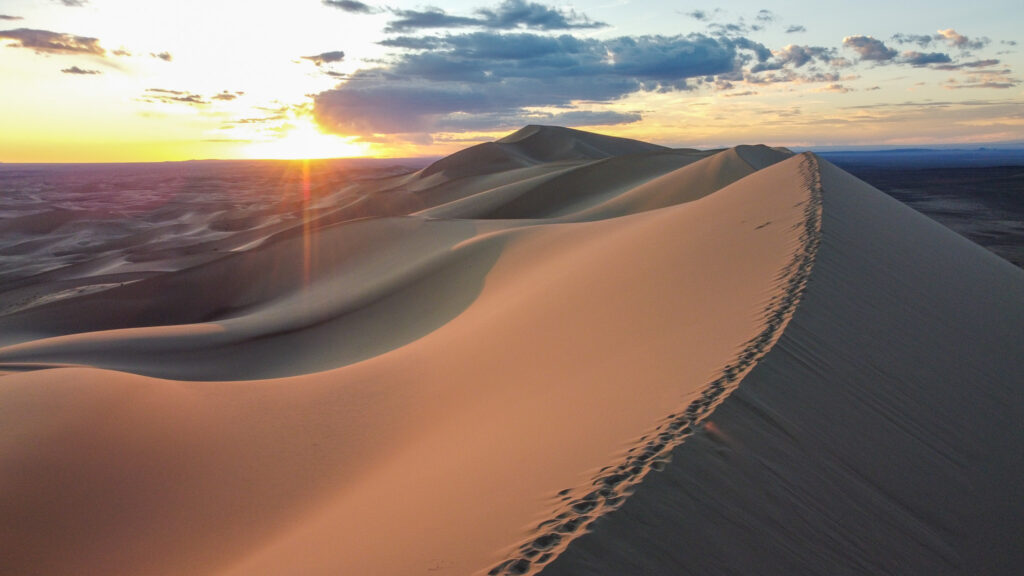
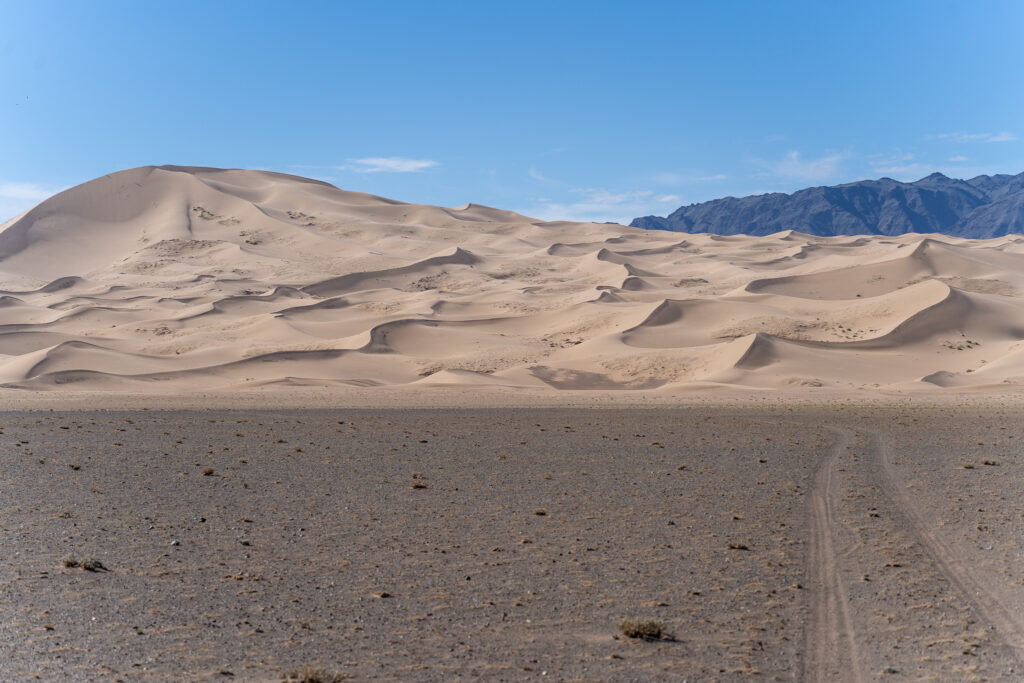
The Gobi isn’t a single slice of desert. It’s a massive region of steppe, gravel plains, rocky outcrops, sand dunes, and open valleys that change constantly as you move through it. That diversity is exactly why driving yourself makes sense.
Public transportation doesn’t reach most of the places people actually want to see. While group tours follow fixed schedules and fixed camps. When you drive yourself, you can adjust for weather, wait out crowds, or stay an extra night when a place surprises you.
The Gobi is also more navigable than many people expect. Routes are often informal rather than marked, but they’re well-used. Locals drive them daily. With good maps, a capable vehicle, and conservative decision-making, the region is far more approachable than its reputation suggests.
Choosing the Right Vehicle for the Gobi
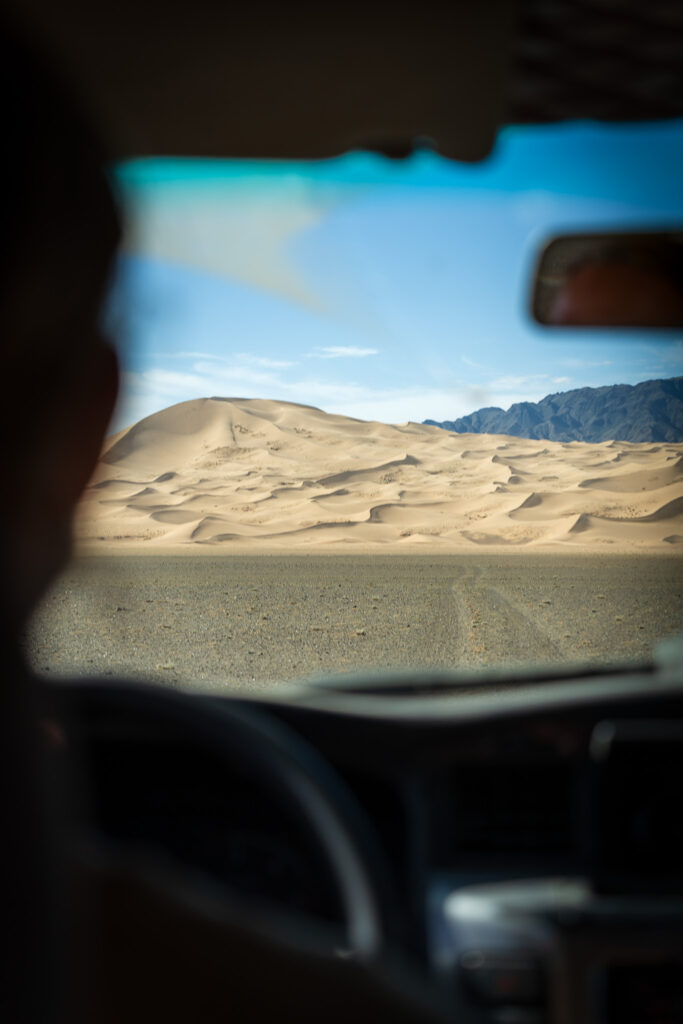
This part isn’t negotiable. If you’re planning to drive into the Gobi independently, you need a proper 4×4.
A high-clearance four-wheel-drive vehicle from أفيس منغوليا gives you the traction, durability, and strength needed for gravel roads, washboard tracks, shallow river crossings, and sandy sections. Even in dry conditions, a standard sedan or soft-roader will limit your route options and add unnecessary stress.
What matters most isn’t speed or comfort features—it’s reliability and clearance. Expect long stretches of washboard, occasional deep ruts, and sections where the “road” is simply the most-used line across the landscape.
Before you leave Ulaanbaatar, familiarize yourself with the vehicle. Know how to engage four-wheel drive, where the spare tire is, and how to check fluids. This is just basic self-reliance.
How Long to Go
A week in the Gobi offers a taste. Two weeks is a solid journey. Three weeks lets you relax into the rhythm. It just depends on how much time you are willing to commit.
Distances in Mongolia can be deceptive. What looks short on a map can take a full day once you factor in road conditions, weather, navigation, and stops. Planning a 1–3 week trip gives you room to adapt without feeling rushed.
With more time, you can string together classic highlights like the Flaming Cliffs, Khongoryn Els, and Yolyn Am while still leaving space for unplanned detours and quiet nights far from anyone else. That balance is where self-drive travel shines.
When to Go: Seasonality in the Gobi
Seasonality matters more in Mongolia than almost anywhere else, and the Gobi is no exception.
Late May through September is the main window for self-drive travel. Roads are accessible, temperatures are manageable, and daylight hours are long. June through August is peak season, offering warm days and cool nights, though afternoon storms can appear quickly.
September is a favorite for experienced travelers. The crowds thin out, the skies stay clear, and the desert takes on a sharper edge. Nights are colder, but conditions are excellent for driving and camping.
Spring and late fall are possible but require flexibility and experience. Sudden weather shifts can turn tracks muddy or icy, and services are sparse.
What to Bring: Gear That Actually Matters
Packing for the Gobi isn’t about over-preparing; it’s about choosing gear that supports independence and flexibility. Here are a few things to keep in mind when considering what to bring.
Essential Vehicle & Travel Gear
- Paper maps and offline GPS navigation
- Extra fuel canister (depending on route)
- Full-size spare tire and basic tools
- Tire pressure gauge and air compressor
- Emergency satellite communicator or locator beacon
Camping & Personal Gear
- Four-season tent or solid three-season tent
- Sleeping bag rated for cold desert nights
- Sleeping pad or mat for insulation
- Headlamp with spare batteries
- Sun protection (hat, sunglasses, sunscreen)
أفيس منغوليا can prepare a lot of these camping essentials for you in advance.
Food & Water
- Large water containers (more than you think you need)
- High-calorie, non-perishable food
- Stove and fuel compatible with local availability
- Trash bags to pack everything out
The goal is self-sufficiency, not comfort for comfort’s sake. If you can stay at least an extra day without resupply, you’re traveling responsibly.
Route Planning Without Overplanning
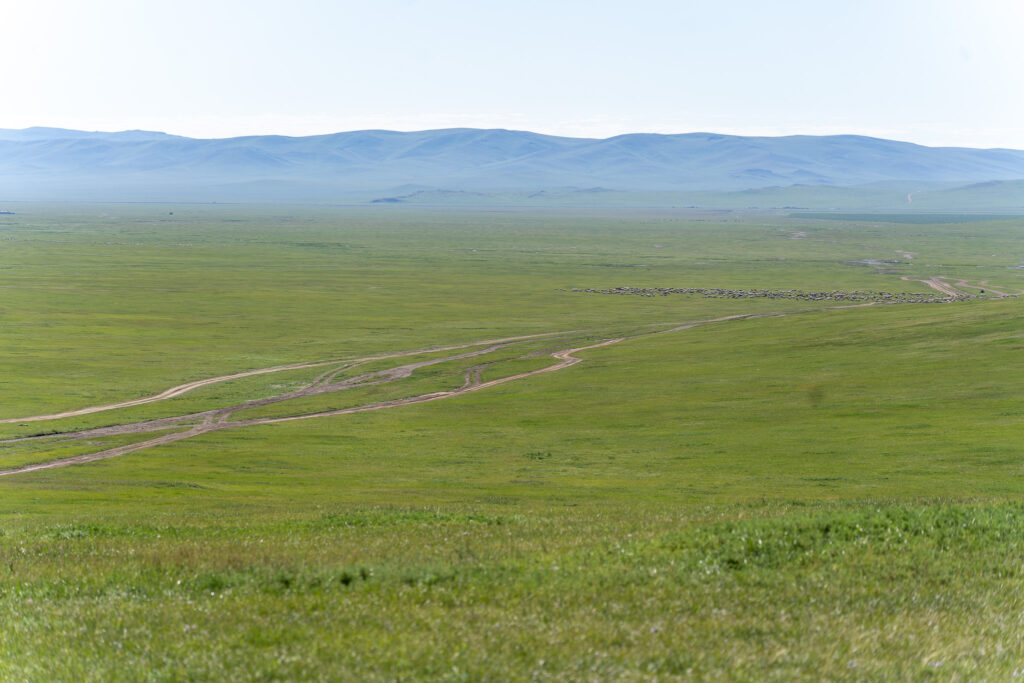
The biggest mistake first-time drivers make in the Gobi is trying to plan every night in advance. Conditions change. Weather shifts. Tracks wash out. You’ll enjoy the trip more if you plan broadly and decide locally.
Think in terms of regions rather than daily mileage. Identify major waypoints and allow multiple route options between them. Build in buffer days, especially if you’re traveling for photography, hiking, or simply absorbing the landscape.
Offline maps are essential, but so is situational awareness. Tracks split and rejoin constantly. If a route looks wrong or deteriorates quickly, it probably is. Turn back early rather than pushing through questionable terrain.
Local advice is invaluable. Ask at ger camps or small shops about road conditions ahead. These conversations often save hours—and sometimes days.
Driving Safety in the Gobi
Driving in the Gobi isn’t dangerous, but it demands attention.
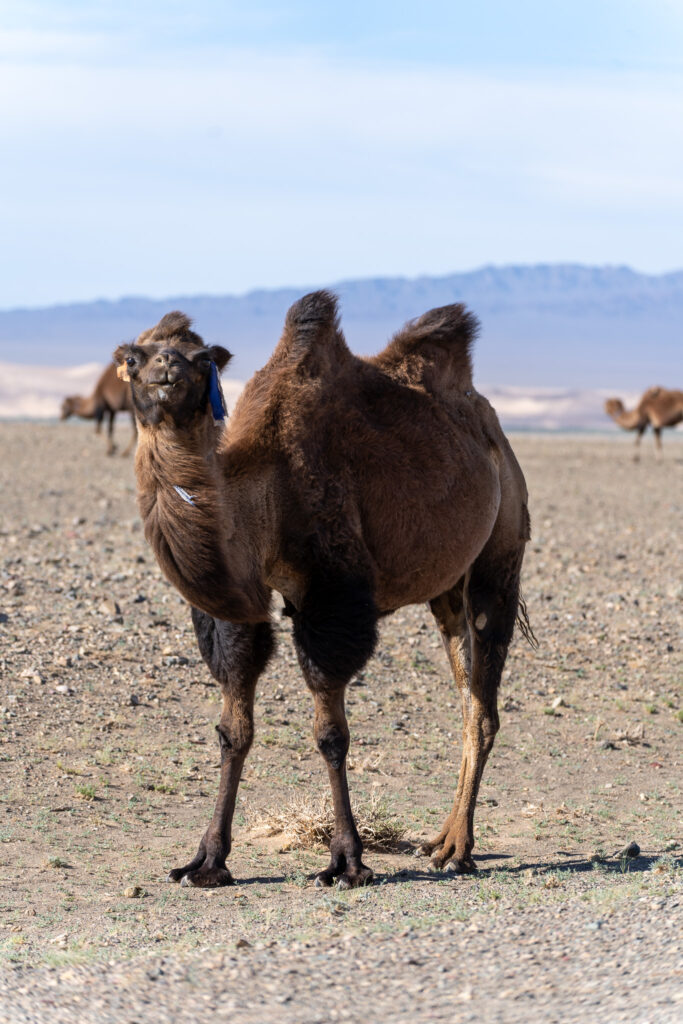
Livestock has the right of way, always. Animals move unpredictably and are often hard to spot in low light. Avoid driving at night whenever possible. Plan your days to arrive at camp well before sunset.
Rain can turn dirt tracks into mud quickly, especially in low-lying areas. If conditions deteriorate, wait it out. The desert rewards patience.
Always tell someone your general route, even if it’s informal. Satellite communicators add a layer of security that’s worth the investment for independent travel.
Why This Trip Is So Fun (and Worth the Effort)

Planning a self-drive adventure in Mongolia’s Gobi is a great first-time self-drive trip in the country! It offers ample opportunities for photography, incredible sights, and even some Chinggis Khaan history.
You’ll enjoy the silence and remoteness of the desert and drive for hours without seeing another vehicle, then share tea with a herding family who appears out of nowhere.
Renting a capable vehicle through AVIS Mongolia or pre-booking one of our self-drive Gobi routes removes many of the logistical barriers that hold people back. Once those are solved, what’s left is the experience itself.
It’s not nearly as challenging as most people think!
Plan Your Next Self-Drive Through Mongolia’s Vast Desert!
A self-drive journey into the Gobi isn’t about bravado. It’s about preparation, awareness, and respect for the landscape.
Choose the right vehicle. Pack gear that supports independence. Plan routes loosely and drive conservatively. Give yourself time. When you do, the Gobi becomes not just accessible, but deeply enjoyable.
For travelers willing to take responsibility for their own journey, a 1–3 week Gobi road trip is one of Mongolia’s most satisfying adventures and one that rewards you every single day you’re out there.
 Arabic
  English
  German
  Spanish
  Italian
  Korean
  French
  Dutch
Dutch  Polish
  Russian
  Chinese