


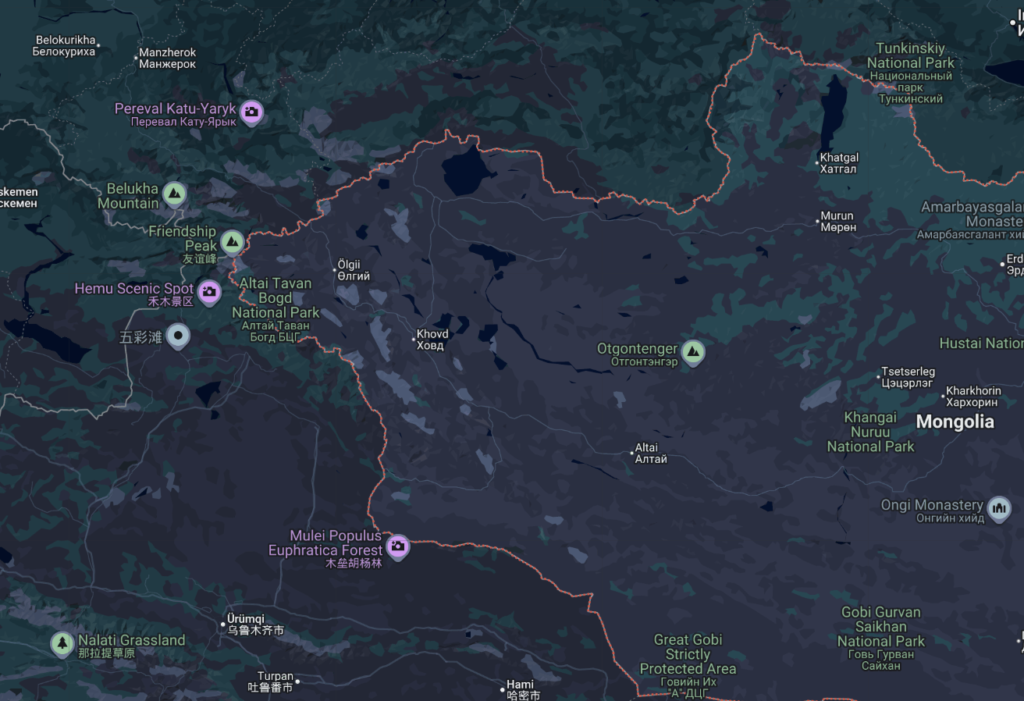
هناك زاوية من منغوليا تشعر وكأنها عالم آخر تمامًا. غرب منغوليا. منطقة تقطع فيها القمم الوعرة السماء المفتوحة، وتجري الأنهار جامحة وغير ملوثة، وتبدو السهوب ممتدة إلى الأبد. في هذه المنطقة التي يقل زيارتها في هذا البلد النائي بالفعل، يظل المنظر الطبيعي غير معروف إلى حد كبير حتى بين المسافرين المتمرسين. بالنسبة لأولئك المستعدين للانحراف عن المسار المطروق، تقدم هذه الحدود كل ما يجعل من منغوليا وجهة سفر أسطورية: العزلة والمغامرة والتجارب الخام غير المفلترة.
بينما يلتزم معظم الزوار بالمسارات الأسهل في وسط منغوليا أو ببساطة صحراء جوبي، تستحق غرب منغوليا الجهد الإضافي. الطرق وعرة، والمسافات شاسعة، ومع ذلك فإن المكافآت — الآفاق اللامتناهية، والتقاليد القديمة، وبعض أدفأ الضيافة على وجه الأرض — تجعل كل كيلومتر جديرًا بالعناء.
إذا كنت تحلم يوماً بمكان لا يزال البدو يجوبون فيه على ظهور الخيل، وتشمخ فيه الجبال، فإن منغوليا الغربية في انتظارك.
ولهذا السبب تعد منطقة غرب منغوليا النائية أفضل سر محفوظ في البلاد وجديرة بالمغامرة في زيارتك القادمة.
- إنه تحدٍ للاستكشاف
لا تسلّم منغوليا الغربية نفسها بسهولة. المنطقة عبارة عن مساحة شاسعة من القمم والأنهار الجليدية والوديان التي تحدها روسيا والصين وكازاخستان - وهي مفترق طرق جغرافي تداخلت فيه الثقافات لقرون. الرحلة نفسها جزء من المغامرة. الوصول إلى هنا يعني عبور مساحات شاسعة من الأراضي المفتوحة، غالبًا على طرق غير معبدة تختبر قدرتك على التحمل وحس الاتجاه لديك.
لكن هذه هي النقطة بالضبط. هذه ليست منغوليا المسارات المريحة أو مخيمات "غير" السياحية. هذه هي منغوليا المستكشفين القدماءحيث يتردد صدى الصمت عبر السهول وتضيء مجرة درب التبانة السماء ليلاً.
عند القيادة عبر هذه المنطقة، سرعان ما تدرك مدى فراغها، ولكنها لا تزال جميلة بشكل مذهل. لو كانت هذه المنطقة متاحة بسهولة مثل المناطق الأخرى في منغوليا، لفقدت الخيول البرية التي تركض عبر الوديان، والنسور الذهبية التي تحلق في السماء، والرعاة البدو الذين يرحبون بالغرباء كأصدقاء افتقدوهم.
- يحتفظ بثقافة البدو الرحل، دون أن يمسها أحد
من أعظم امتيازات السفر إلى غرب منغوليا هو لقاء العائلات البدوية التي تعتبر هذه الأرض القاسية والجميلة في آن واحد موطناً لها. وينتمي معظمهم إلى المجموعة العرقية الكازاخستانية المعروفة في جميع أنحاء العالم بتقاليدها في صيد النسور - وهي شراكة قديمة بين الإنسان والطائر توارثتها الأجيال.
اقضِ حتى وقتًا قصيرًا مع هذه العائلات، وستبدأ في فهم إيقاع الحياة هنا. تدور الأيام حول الماشية والطقس والمناظر الطبيعية. تنتشر اليورتات (الأكواخ التقليدية) في الوديان كنقاط بيضاء، والضيافة واجبة؛ ونادرًا ما ستغادر دون وعاء من شاي الحليب المملح أو طبق خبز طازج.
إنه أسلوب حياة يبدو خالداً، ولكنه يتطور أيضاً. لا يزال البدو الرحل الشباب يتعلمون ركوب الخيل ورعاية النسور، ولكنهم يستمعون أيضاً إلى الموسيقى على هواتفهم الذكية ويتحققون من الطقس عن طريق الأقمار الصناعية. هذا التعايش بين التقاليد والتكيف هو ما يجعل منغوليا رائعة للغاية، فهي ثقافة تتوازن على الخط الفاصل بين القديم والحديث.
لا يوجد مكان تختبر فيه هذا التعارض بشكل أكبر مما هو عليه في منغوليا الغربية.
- الأرض التي تُعرّف "خارج المسار المطروق"
عندما يتحدث المسافرون عن وجهات "نائية"، قليلون يفهمون حقًا ما يعنيه ذلك حتى يزوروا غرب منغوليا. هناك امتدادات من الطرق هنا قد لا ترى فيها مركبة أخرى ليوم كامل. البلدات صغيرة ومتناثرة؛ محطات الوقود تأتي مع مغامرة جانبية. ومع ذلك، بالنسبة لأولئك الموجودين في القيادة الذاتية في منغوليا رحلة، وأن هذه العزلة هي بالضبط ما يجعل هذه المنطقة لا تقاوم.
تتغير المناظر الطبيعية بشكل كبير من يوم إلى آخر. في لحظة تعبر السهوب المفتوحة على مصراعيها، وفي اللحظة التالية تصعد إلى ممرات جبال الألب المحاطة بقمم خشنة. ستعبر بحيرات تشبه المرايا، من بينها بحيرات تولبو وخوتون وخورغان، وستعبر الوديان حيث ينقل الرعاة قطعانهم بكفاءة هادئة.
منغوليا الغربية مكان جذاب للغاية، يزداد جمالاً بحقيقة بسيطة وهي أن عدد قليل من السياح الأجانب يغامرون بالقدوم إلى هنا.
- مثالي للمتنزهين والمصورين
إذا كنت تتوق إلى المغامرة التي تشعرك بأنك تكتسبها ولا تنظّمها, منغوليا الغربية هي ميدان اختبارك. تهيمن جبال ألتاي على المنطقة، وتوفر فرصاً عالمية المستوى للرحلات والتسلق والتصوير الفوتوغرافي.
منتزه تافان بوغد الوطني، موطن أعلى قمم منغوليا، هو أبرز معالمها. تنحت أنهارها الجليدية عبر الوديان المليئة بالأزهار الألبية، وتقود مساراتها إلى بعض أروع المناظر في منغوليا.
ليس من الغريب أن تشاهد الحياة البرية هنا أيضاً. تجوب الوعول والأغنام الأرغالية وحتى النمور الثلجية المنحدرات العالية، بينما تجوب النسور الذهبية السماء. بالنسبة للمصورين وعشاق الطبيعة، هذه هي منغوليا التي لا يمكن للبطاقات البريدية أن تنصفها، فهي أرض لا تزال البرية فيها هي السائدة.
وبالنسبة لأولئك الذين يفضلون العجلات على أحذية المشي، فإن المنطقة تتضاعف كواحدة من أكثر المناطق الملحمية في العالم رحلة برية وجهات في منغوليا وسواء كنت تتبع الطريق من أولغي إلى خوفد أو تدور عبر الممرات الجبلية بالقرب من الحدود الشمالية، فإن الرحلات نفسها لا تنسى مثل الوجهات.
- أولجي: بوابة الغرب المتوحش
معظم المغامرات في غرب منغوليا تبدأ في أولجيعاصمة مقاطعة بيان أولجي. إنها مدينة صغيرة ولكنها مفعمة بالحيوية وهي بمثابة قاعدة لوجستية ومقدمة ثقافية. هذه هي معقل منغوليا الكازاخستانية، وستشعر على الفور بالفرق بينها وبين بقية منغوليا. فهنا توجد مساجد ملونة وأسواق مليئة بالمنسوجات المطرزة ومخابز تقدم البورساك الطازج (معجنات العجين المقلي).
تم تدمير العديد من المساجد في عمليات التطهير الديني في ثلاثينيات القرن العشرين، لكن أولجي تحتفظ ببعض أفضل المساجد المحفوظة هنا.
أولجي هي أيضاً موطن لمهرجان النسر الذهبي السنوي، الذي يقام كل خريف، حيث يتنافس الصيادون وطيورهم في اختبارات المهارة والشراكة. وحتى خارج موسم المهرجان، يمكن للمسافرين ترتيب زيارات لعائلات صقارين أو كجزء من القيادة الذاتية في منغوليا الطرق التي تساعد على سد الفجوة بين الراحة والاستكشاف الخام.
من هنا، الاحتمالات لا حصر لها: اتجه نحو مياه بحيرة تولبو المتلألئة، أو تسلق الممرات الجبلية المؤدية إلى تافان بوغد، أو انطلق في السهوب المفتوحة نحو خوفد.
أشهر الوجهات في غرب منغوليا
- منتزه ألتاي تافان بوغد الوطنيموطن لأعلى قمم منغوليا (بما في ذلك قمة خويتن التي يبلغ ارتفاعها 4,374 مترًا)، وأنهار جليدية مذهلة، ونقوش صخرية قديمة. وهي أيضًا المنطقة التي تحد فيها منغوليا روسيا والصين.
- بحيرتا خوتون وخورغانبحيرات جليدية جميلة تحيط بها جبال مغطاة بالثلوج، تشتهر برياضة المشي لمسافات طويلة والتخييم والتصوير الفوتوغرافي.
- منتزه تسامباجاراف أول الوطني: تتمحور الحديقة حول جبل تسامباغاراف المقدس (4,193 متراً)، وتتميز بالأنهار الجليدية والشلالات والحياة البرية الغنية.
- مدينة أولجي (أولجي): عاصمة مقاطعة بيان-أولغي المعروفة بثقافتها الكازاخستانية وتقاليد صيد النسور والمهرجان السنوي مهرجان النسر الذهبي.
- بحيرة دايانبحيرة نائية شاهقة بالقرب من جبال ألتاي، توفر صيدًا رائعًا ومشاهدة للطيور وإطلالات على القمم الثلجية المحيطة.
- مجمعات النقوش الصخرية في تسأغان سالا - باغ أويغور: موقع تراث عالمي لليونسكو به آلاف النقوش الصخرية التي يعود تاريخها إلى آلاف السنين، تصور الحياة البدوية القديمة والحياة البرية.
قيادة على حافة الأرض: كيف تصل إلى غرب منغوليا
هناك شيء ساحر في القيادة في منغوليا. تمتد الطرق، المعبدة أحيانًا، وغير المعبدة غالبًا، إلى ما لا نهاية نحو الأفق، محاطة بصمت الجبال والسحب المتغيرة. يصبح فعل القيادة تأمليًا، إيقاعًا من الغبار والرياح والاكتشاف.
ضروري هنا، وهذا هو المكان الذي نا جولات القيادة الذاتية في منغوليا بالدخول. بمركبة قوية، وطريق GPS، ودعم محلي، يمكن للمسافرين الاستكشاف بوتيرتهم الخاصة دون التضحية بالسلامة. إنها الاستقلالية مع لمسة من الطمأنينة، التوازن المثالي للتنقل في واحدة من آخر البراري الحقيقية على وجه الأرض.
متى تزور غرب منغوليا
تتمتع منغوليا الغربية بموسم سفر قصير ولكنه مذهل. من من يونيو إلى أوائل أكتوبر، الطقس معتدل، والطرق مفتوحة، والحياة البدوية على قدم وساق. يجلب الصيف (يونيو-أغسطس) الوديان الخضراء وساعات النهار الأطول للمشي لمسافات طويلة والتصوير الفوتوغرافي. الخريف المبكر (سبتمبر-أكتوبر) يوفر هواءً أبرد ومناظر طبيعية ذهبية و مهرجانات الصيد بالنسور، وقت مثالي للمسافرين الثقافيين.
الشتاء عالم آخر تمامًا. يغطي الثلج السهوب، وتنخفض درجات الحرارة، ولكن بالنسبة للقليلين المستعدين، فهو جميل بشكل مؤلم.
كيف تسافر أخلاقياً وبنية في غرب منغوليا
أحد أعظم الدروس التي يستخلصها المسافرون من غرب منغوليا هو التواضع. الحياة هنا قاسية، لكن الناس صامدون، فخورون، وكريمون. دعم المرشدين المحليين، والإقامة مع العائلات البدوية، والشراء مباشرة من الحرفيين يضمن أن رحلتك تساهم بشكل إيجابي في المنطقة.
تذكر، أعظم مغامرة ليست مجرد القيادة أو الجبال، إنها التبادل الثقافي. بالجلوس في خيمة، وشرب الشاي مع راعٍ عاش هنا طوال حياته، تدرك ما يجب أن تكون عليه الرحلة: التواصل، الفضول، والاحترام.
لقد انكشف السر: غرب منغوليا هو الوجهة الساخنة القادمة
إذن، لماذا تعتبر منغوليا الغربية سر الدولة الأفضل؟ لأنها نوع المكان الذي لا يزال يشعر بأنه غير مكتشف. لا تحتاج إلى نزل لامعة أو مطاعم فئة خمس نجوم للإبهار؛ فالأرض نفسها تتحدث.
للمسافرين الذين يتوقون إلى وجهة تدفعهم خارج منطقة راحتهم وتكافئهم بلحظات من الجمال الخام، فإن غرب منغوليا هي وجهتهم. سواء جئت لـ رحلة طريق عبر ألتاي, a مغامرة القيادة الذاتية في منغوليا، أو ببساطة لتجربة عظمة الثقافة البدوية الهادئة التي لا تزال تعيش وفقًا لطرق تقليدية، فهذه رحلة تبقى معك لوقت طويل بعد أن تترك الغبار خلفك.
 Arabic
  English
  German
  Spanish
  Italian
  Korean
  French
  Dutch
Dutch  Polish
  Russian
  Chinese